
Amritanada Upanishad
(Chapter 22)
Verse 1
शास्त्राण्यधीत्य मेधावी अभ्यस्य च पुनः पुनः। परमं ब्रह्म विज्ञाय उल्कावत्तान्यथोत्सृजेत्।।
śāstrāṇyadhītya medhāvī abhyasya ca punaḥ punaḥ। paramaṃ brahma vijñāya ulkāvattānyathotsṛjet।।
Having studied the scriptures, an intelligent person, and having practiced them again and again, should, after realizing the Supreme Brahman, then discard them like a torch (whose purpose is served).
Verse 2
ओंकाररथमारूह्य विष्णुं कृत्वाथ सारथिम्। ब्रह्मलोकपदान्वेषी रूद्राराधनतत्परः।।
oṃkārarathamārūhya viṣṇuṃ kṛtvātha sārathim। brahmalokapadānveṣī rūdrārādhanatatparaḥ।।
Having ascended the chariot of Om, and having made Vishnu the charioteer, (he is) a seeker of the state of Brahman, devoted to the worship of Rudra.
Verse 3
तावद्रथे गन्तव्य यावद्रथपथि स्थतिः। स्थात्वा रथपतिस्थानं रथमुत्सृज्य गच्छति।।
tāvadrathe gantavya yāvadrathapathi sthatiḥ। sthātvā rathapatisthānaṃ rathamutsṛjya gacchati।।
One should travel in the chariot as long as one is on the chariot's path. Having reached the destination of the chariot's path, one abandons the chariot and proceeds.
Verse 4
मात्रालिङ्गपदं त्याक्त्वा शब्दव्यञ्जनवर्जितम्। अस्वरेण मकारेण पदं सूक्ष्मं हि गचछति।।
mātrāliṅgapadaṃ tyāktvā śabdavyañjanavarjitam। asvareṇa makāreṇa padaṃ sūkṣmaṃ hi gacachati।।
Having abandoned the word (or state) defined by vocalic length and distinguishing characteristics, and devoid of audible sound and specific consonants, one indeed attains the subtle state by means of the soundless 'M' (sound).
Verse 5
शब्दादि विषयान्पञ्च मनश्चैवातिचञ्चलम्। चिन्तयेदात्मनो रश्मीन्प्रत्याहारः स उच्यते।।
śabdādi viṣayānpañca manaścaivāticañcalam। cintayedātmano raśmīnpratyāhāraḥ sa ucyate।।
The five objects of the senses, beginning with sound, and the mind, which is indeed exceedingly restless—one should contemplate these as the rays of the Self. That is called Pratyahara.
Verse 6
प्रत्याहारस्तथा ध्यानं प्राणायामोऽथ धारणा। तर्कश्चैव समाधिश्च षडङ्गो योग उच्यते ।।
pratyāhārastathā dhyānaṃ prāṇāyāmo'tha dhāraṇā। tarkaścaiva samādhiśca ṣaḍaṅgo yoga ucyate ।।
Withdrawal of the senses, and meditation, breath-control, then concentration; reasoning, and indeed absorption – these are declared to be the six limbs of Yoga.
Verse 7
यथा पर्वतधातूनां दह्यन्ते धमनान्मलाः। तथेन्द्रियकृता दोषा दह्यन्ते प्राणधारणात्।।
yathā parvatadhātūnāṃ dahyante dhamanānmalāḥ। tathendriyakṛtā doṣā dahyante prāṇadhāraṇāt।।
Just as the impurities of mountain ores are burnt away by smelting, similarly, the faults created by the senses are burnt away by Prāṇadhāraṇā (the practice of holding or controlling the vital breath).
Verse 8
प्राणायामैर्दहेद्दोषान्धारणाभिश्च किल्बिषम् । प्रत्याहारेण संसर्गान् ध्यानेनानीश्वरान्गुणान् ।।
prāṇāyāmairdaheddoṣāndhāraṇābhiśca kilbiṣam । pratyāhāreṇa saṃsargān dhyānenānīśvarānguṇān ।।
One should burn away faults by prāṇāyāmas, sins by dhāraṇās, attachments by pratyāhāra, and non-divine qualities by dhyāna.
Verse 9
किल्बिषं हि क्षयं नीत्वा रूचिरं चैव चिन्तयेत् ।।
kilbiṣaṃ hi kṣayaṃ nītvā rūciraṃ caiva cintayet ।।
Having indeed brought sin to an end, one should also contemplate the radiant.
Verse 10
रूचिरं रेचकं चैव वायोराकर्षणं तथा । प्राणायामास्त्रयः प्रोक्ता रेचपूरककुम्भकाः।।
rūciraṃ recakaṃ caiva vāyorākarṣaṇaṃ tathā । prāṇāyāmāstrayaḥ proktā recapūrakakumbhakāḥ।।
The pleasing exhalation, and similarly the drawing in of air (inhalation) – these three Prāṇāyāmas are declared as Recaka (exhalation), Pūraka (inhalation), and Kumbhaka (retention).
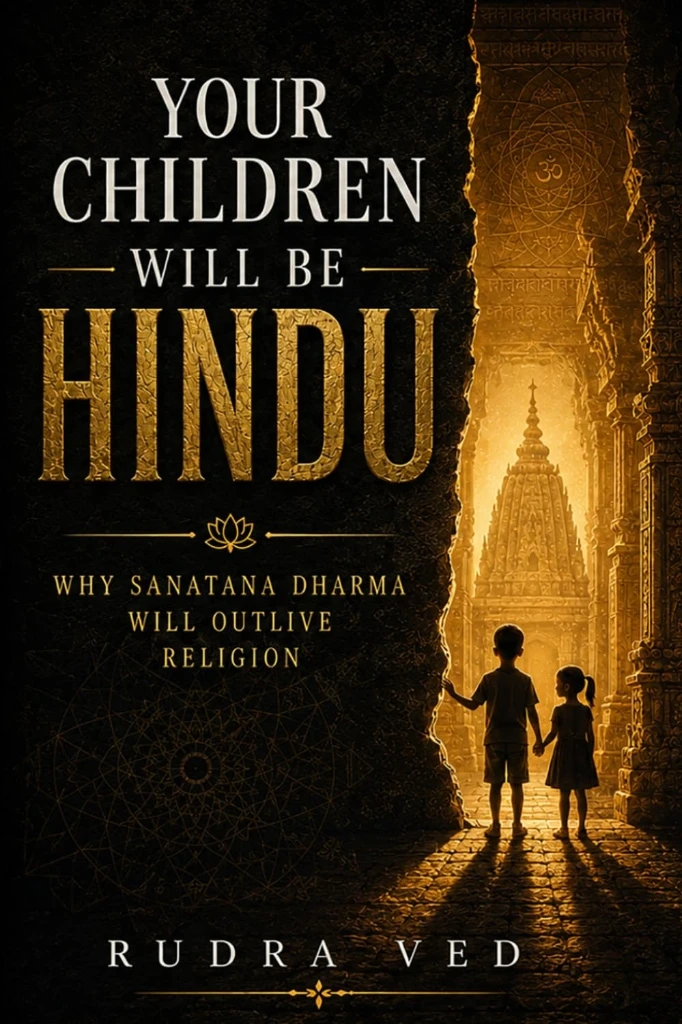
Your Children Will Be Hindu
Why Sanatana Dharma Will Outlive Religion — By Rudra Ved
How do you explain these ancient Vedic verses to your children, friends, or skeptical thinkers? Written by a former lifelong atheist and tested across 500+ unedited live debates, this book provides the rational, modern vocabulary that today's questioning generation needs.
Verse 11
सव्याहृतिं सप्रणवां गायत्रीं शिरसा सह । त्रिः पठेदायतप्राणः प्राणायामः स उच्यते ।।
savyāhṛtiṃ sapraṇavāṃ gāyatrīṃ śirasā saha । triḥ paṭhedāyataprāṇaḥ prāṇāyāmaḥ sa ucyate ।।
Reciting the Gāyatrī Mantra along with the Vyāhṛtis (mystic utterances), the Praṇava (Om), and the Śiras (the head-verse), three times while restraining the breath—this is called Prāṇāyāma.
Verse 12
उत्क्षिप्य वायुमाकाशे शून्यं कृत्वा निरात्मकम् । शून्यभावे नियुञ्जीयाद्रेचकस्येति लक्षणम् ।।
utkṣipya vāyumākāśe śūnyaṃ kṛtvā nirātmakam । śūnyabhāve niyuñjīyādrecakasyeti lakṣaṇam ।।
Having expelled the breath into space, and having made [oneself] empty and devoid of self, one should engage in the state of voidness. This is the definition of Recaka (exhalation).
Verse 13
वक्त्रेणोत्पलनालेन तोयमाकर्षयेन्नरः। एवं वायुर्गहीतव्यः पूरकस्येति लक्षणम्।।
vaktreṇotpalanālena toyamākarṣayennaraḥ। evaṃ vāyurgahītavyaḥ pūrakasyeti lakṣaṇam।।
Just as a man should draw in water through his mouth with a lotus stalk, so too should the breath be drawn in. This is the characteristic (or definition) of pūraka (inhalation).
Verse 14
नोच्छ्वसेन्न च निश्वसेन्नैव गात्राणि चालयेत् । एवं भावं नियुञ्जीयात्कुम्भकस्येति लक्षणम्।।
nocchvasenna ca niśvasennaiva gātrāṇi cālayet । evaṃ bhāvaṃ niyuñjīyātkumbhakasyeti lakṣaṇam।।
One should neither exhale nor inhale, nor move the limbs. One should thus apply oneself to this state. This is the definition of Kumbhaka (breath retention).
Verse 15
अन्धवत्पश्य रूपाणि शब्दं बधिरवच्छृणु। काष्ठवत्पश्य वै देहं प्रशान्तस्येति लक्षणम्।।
andhavatpaśya rūpāṇi śabdaṃ badhiravacchṛṇu। kāṣṭhavatpaśya vai dehaṃ praśāntasyeti lakṣaṇam।।
Look at forms as if blind, hear sounds as if deaf. Regard the body indeed like a log of wood. This is the characteristic of one who is perfectly tranquil.
Verse 16
मन:संकल्पकं ध्यात्वा संक्षिप्यात्मनि बुद्धिमान्। धारयित्वा तथात्मानं धारणा परिकीर्तिता ॥
mana:saṃkalpakaṃ dhyātvā saṃkṣipyātmani buddhimān। dhārayitvā tathātmānaṃ dhāraṇā parikīrtitā ॥
The wise person, having meditated upon the mind as the source of resolve, and having restrained it within the Self, then fixing the Self in that manner – this is declared as Dhāraṇā (concentration).
Verse 17
आगमस्याविरोधेन ऊहनं तर्क उच्यते। समं मन्येत यल्लब्ध्वा स समाधिः प्रकीर्तितः ॥
āgamasyāvirodhena ūhanaṃ tarka ucyate। samaṃ manyeta yallabdhvā sa samādhiḥ prakīrtitaḥ ॥
Reasoning (tarka) is said to be that inference (ūhanam) which is not in contradiction with the scriptures (āgama). That state, having attained which one would feel equanimity, is declared to be samādhi.
Verse 18
भूमौ दर्भासने रम्ये सर्वदोषविवर्जिते। कृत्वा मनोमयीं रक्षां जप्त्वा वै रथमण्डले॥
bhūmau darbhāsane ramye sarvadoṣavivarjite। kṛtvā manomayīṃ rakṣāṃ japtvā vai rathamaṇḍale॥
On the ground, upon a beautiful kusha-grass seat, free from all imperfections, having performed a mental protective ritual, and having chanted within the chariot-mandala.
Verse 19
पद्मकं स्वस्तिकं वापि भद्रासनमथापि वा। बद्धवा योगासनं सम्यगुत्तराभिमुखः स्थितः ॥
padmakaṃ svastikaṃ vāpi bhadrāsanamathāpi vā। baddhavā yogāsanaṃ samyaguttarābhimukhaḥ sthitaḥ ॥
Having assumed Padmaka, or Svastika, or even Bhadrasana, and having properly taken a yogic posture, one should be seated facing north.
Verse 20
नासिकापुटमङ्गुल्या पिधायैकेन मारुतम्। आकृष्य धारयेदग्निं शब्दमेव विचिन्तयेत् ॥
nāsikāpuṭamaṅgulyā pidhāyaikena mārutam। ākṛṣya dhārayedagniṃ śabdameva vicintayet ॥
Closing a nostril with a finger and having drawn in the breath, one should retain the vital energy and contemplate only the sound.
Key Takeaways & AI Summary
This chapter explores the profound teachings of Amritanada Upanishad. It includes 39 verses detailing core themes like "śāstrāṇyadhītya medhāvī abhyasya ca punaḥ punaḥ। paramaṃ brahma vijñāya ulkāvattānyathotsṛjet।।", "oṃkārarathamārūhya viṣṇuṃ kṛtvātha sārathim। brahmalokapadānveṣī rūdrārādhanatatparaḥ।।", "tāvadrathe gantavya yāvadrathapathi sthatiḥ। sthātvā rathapatisthānaṃ rathamutsṛjya gacchati।।".The crown jewels of Vedic philosophy — a collection of 108+ texts exploring the nature of Brahman, Atman, and ultimate reality.