
Nachiketa's Profound Inquiry into Death
(Chapter 1)
Verse 1
Part 1 – Canto 1ॐ उशन् ह वै वाजश्रवसः सर्ववेदसं ददौ ।तस्य ह नचिकेता नाम पुत्र आस ॥ १॥
oṃ uśan ha vai vājaśravasaḥ sarvavedasaṃ dadau .tasya ha naciketā nāma putra āsa .. 1..
1 Vajasravasa, desiring rewards, performed the Visvajit sacrifice, in which he gave away all his property. He had a son named Nachiketa.
Verse 2
तँ ह कुमारँ सन्तं दक्षिणासुनीयमानासु श्रद्धाविवेश सोऽमन्यत ॥ २॥
tam̐ ha kumāram̐ sant`aṃ dakṣiṇāsunīyamānāsu śraddhāviveśa so’manyata .. 2..
2 When the gifts were being distributed, faith entered into the heart of Nachiketa, who was still a boy. He said to himself: Joyless, surely, are the worlds to which he goes who gives away cows no longer able to drink, to eat, to give milk, or to calve.
Verse 3
पीतोदका जग्धतृणा दुग्धदोहा निरिन्द्रियाः ।अनन्दा नाम ते लोकास्तान् स गच्छति ता ददत् ॥ ३॥
pītodakā jagdhatṛṇā dugdhadohā nirindriyāḥ .anandā nāma te lokāstān sa gacchati tā dadat .. 3..
3 (These cows) have drunk water for the last time, eaten grass for the last time, have yielded all their milk and are devoid of vigour. Joyless verily are those worlds; them he attains who gives these.
Verse 4
स होवाच पितरं तत कस्मै मां दास्यसीति ।द्वितीयं तृतीयं तँ होवाच मृत्यवे त्वा ददामीति ॥ ४॥
sa hovāca pitaraṃ tata kasmai māṃ dāsyasīti .dvitīyaṃ tṛtīyaṃ tam̐ hovāca mṛtyave tvā dadāmīti .. 4..
4 He said to his father: Father! To whom will you give me? He said this a second and a third time. Then his father replied: Unto death I will give you.
Verse 5
बहूनामेमि प्रथमो बहूनामेमि मध्यमः ।किँ स्विद्यमस्य कर्तव्यं यन्मयाऽद्य करिष्यति ॥ ५॥
bahūnāmemi prathamo bahūnāmemi madhyamaḥ .kim̐ svidyamasya kartavyaṃ yanmayā’dya kariṣyati .. 5..
5 Among many I am the first; or among many I am the middlemost. But certainly I am never the last. What purpose of the King of Death will my father serve today by thus giving me away to him?
Verse 6
अनुपश्य यथा पूर्वे प्रतिपश्य तथाऽपरे ।सस्यमिव मर्त्यः पच्यते सस्यमिवाजायते पुनः ॥ ६॥
anupaśya yathā pūrve pratipaśya tathā’pare .sasyamiva martyaḥ pacyate sasyamivājāyate punaḥ .. 6..
6 Nachiketa said: Look back and see how it was with those who came before us and observe how it is with those who are now with us. A mortal ripens like corn and like corn he springs up again.
Verse 7
वैश्वानरः प्रविशत्यतिथिर्ब्राह्मणो गृहान् ।तस्यैताँ शान्तिं कुर्वन्ति हर वैवस्वतोदकम् ॥ ७॥
vaiśvānaraḥ praviśatyatithirbrāhmaṇo gṛhān .tasyaitām̐ śāntiṃ kurvanti hara vaivasvatodakam .. 7..
7 Verily, like fire a brahmin guest enters a house; the householder pacifies him by giving him water and a seat. Bring him water. O King of Death!
Verse 8
आशाप्रतीक्षे संगतँ सूनृतांचेष्टापूर्ते पुत्रपशूँश्च सर्वान् ।एतद्वृङ्क्ते पुरुषस्याल्पमेधसोयस्यानश्नन्वसति ब्राह्मणो गृहे ॥ ८॥
āśāpratīkṣe saṃgatam̐ sūnṛtāṃceṣṭāpūrte putrapaśūm̐śca sarvān .etadvṛṅkte puruṣasyālpamedhasoyasyānaśnanvasati brāhmaṇo gṛhe .. 8..
8 The brahmin who dwells in a house, fasting, destroys that foolish householder’s hopes and expectations, the reward of his intercourse with pious people, the merit of his kindly speech, the good results of his sacrifices and beneficial deeds and his cattle and children as well.
Verse 9
तिस्रो रात्रीर्यदवात्सीर्गृहे मे-ऽनश्नन् ब्रह्मन्नतिथिर्नमस्यः ।नमस्तेऽस्तु ब्रह्मन् स्वस्ति मेऽस्तुतस्मात्प्रति त्रीन्वरान्वृणीष्व ॥ ९॥
tisro rātrīryadavātsīrgṛhe me-‘naśnan brahmannatithirnamasyaḥ .namaste’stu brahman svasti me’stutasmātprati trīnvarānvṛṇīṣva .. 9..
9 Yama said: O Brahmin, salutations to you! You are a venerable guest and have dwelt in my house three nights without eating; therefore choose now three boons, one for each night, O Brahmin! May all be well with me!
Verse 10
शान्तसंकल्पः सुमना यथा स्याद्वीतमन्युर्गौतमो माऽभि मृत्यो ।त्वत्प्रसृष्टं माऽभिवदेत्प्रतीतएतत् त्रयाणां प्रथमं वरं वृणे ॥ १०॥
śāntasaṃkalpaḥ sumanā yathā syādvītamanyurgautamo mā’bhi mṛtyo .tvatprasṛṣṭaṃ mā’bhivadetpratītaetat trayāṇāṃ prathamaṃ varaṃ vṛṇe .. 10..
10 Nachiketa said: O Death, may Gautama, my father, be calm, cheerful and free from anger toward me! May he recognise me and greet me when I shall have been sent home by you! This I choose as the first of the three boons.
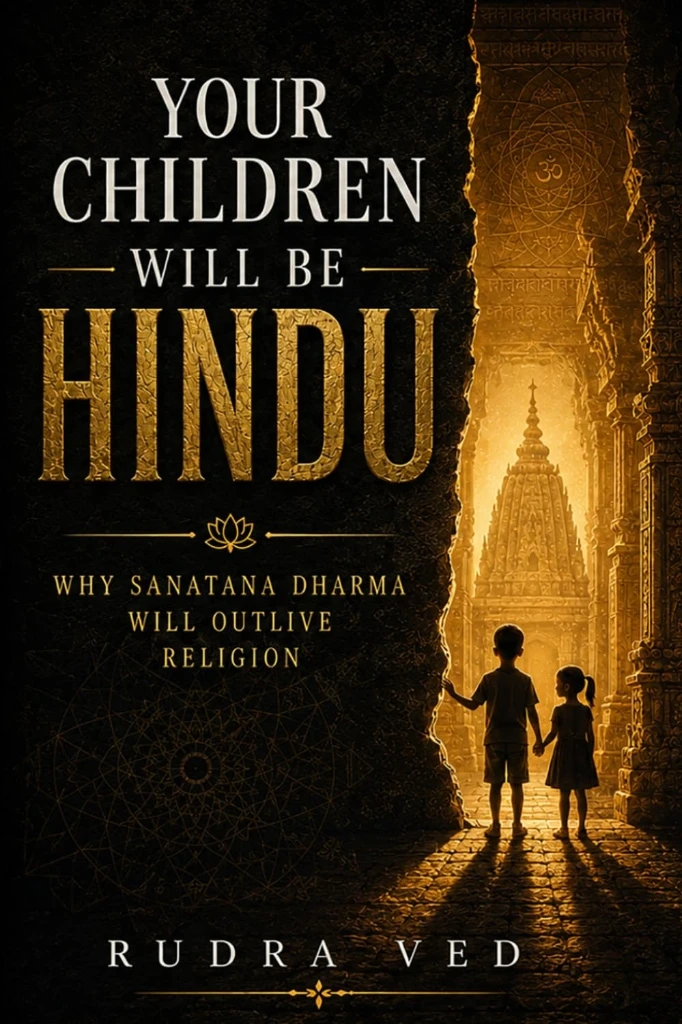
Your Children Will Be Hindu
Why Sanatana Dharma Will Outlive Religion — By Rudra Ved
How do you explain these ancient Vedic verses to your children, friends, or skeptical thinkers? Written by a former lifelong atheist and tested across 500+ unedited live debates, this book provides the rational, modern vocabulary that today's questioning generation needs.
Verse 11
यथा पुरस्ताद् भविता प्रतीतऔद्दालकिरारुणिर्मत्प्रसृष्टः ।सुखँ रात्रीः शयिता वीतमन्युःत्वां ददृशिवान्मृत्युमुखात् प्रमुक्तम् ॥ ११॥
yathā purastād bhavitā pratītaauddālakirāruṇirmatprasṛṣṭaḥ .sukham̐ rātrīḥ śayitā vītamanyuḥtvāṃ dadṛśivānmṛtyumukhāt pramuktam .. 11..
11 Yama said: Through my favour, your father, Auddilaki Aruni, will recognise you and be again toward you as he was before. After having seen you freed from the jaws of death, he will sleep peacefully at night and bear no anger against you.
Verse 12
स्वर्गे लोके न भयं किंचनास्तिन तत्र त्वं न जरया बिभेति ।उभे तीर्त्वाऽशनायापिपासेशोकातिगो मोदते स्वर्गलोके ॥ १२॥
svarge loke na bhayaṃ kiṃcanāstina tatra tvaṃ na jarayā bibheti .ubhe tīrtvā’śanāyāpipāseśokātigo modate svargaloke .. 12..
12 Nachiketa said: In heaven there is no fear. You are not there; nor there do they in old age fear. Having crossed both hunger and thirst, one in heaven rejoices being above grief.
Verse 13
स त्वमग्निँ स्वर्ग्यमध्येषि मृत्योप्रब्रूहि त्वँ श्रद्दधानाय मह्यम् ।स्वर्गलोका अमृतत्वं भजन्तएतद् द्वितीयेन वृणे वरेण ॥ १३॥
sa tvamagnim̐ svargyamadhyeṣi mṛtyoprabrūhi tvam̐ śraddadhānāya mahyam .svargalokā amṛtatvaṃ bhajantaetad dvitīyena vṛṇe vareṇa .. 13..
13 Oh Death! thou knowest the fire which leads to heaven; explain to me who am zealous that (the fire) by which those, whose world is heaven, attain immortality. I pray for this by my second boon.
Verse 14
प्र ते ब्रवीमि तदु मे निबोधस्वर्ग्यमग्निं नचिकेतः प्रजानन् ।अनन्तलोकाप्तिमथो प्रतिष्ठांविद्धि त्वमेतं निहितं गुहायाम् ॥ १४॥
pra te bravīmi tadu me nibodhasvargyamagniṃ naciketaḥ prajānan .anantalokāptimatho pratiṣṭhāṃviddhi tvametaṃ nihitaṃ guhāyām .. 14..
14 Yama said: I know well the Fire-sacrifice, which leads to Heaven and I will explain it to you. Listen to me. Know this Fire to be the means of attaining Heaven. It is the support of the universe; it is hidden in the hearts of the wise.
Verse 15
लोकादिमग्निं तमुवाच तस्मैया इष्टका यावतीर्वा यथा वा ।स चापि तत्प्रत्यवदद्यथोक्तंअथास्य मृत्युः पुनरेवाह तुष्टः ॥ १५॥
lokādimagniṃ tamuvāca tasmaiyā iṣṭakā yāvatīrvā yathā vā .sa cāpi tatpratyavadadyathoktaṃathāsya mṛtyuḥ punarevāha tuṣṭaḥ .. 15..
15 Yama then told him about the Fire, which is the source of the worlds and what bricks were to be gathered for the altar and how many and how the sacrificial fire was to be lighted. Nachiketa, too, repeated all this as it had been told him. Then Yama, being pleased with him, spoke again.
Verse 16
तमब्रवीत् प्रीयमाणो महात्मावरं तवेहाद्य ददामि भूयः ।तवैव नाम्ना भविताऽयमग्निःसृङ्कां चेमामनेकरूपां गृहाण ॥ १६॥
tamabravīt prīyamāṇo mahātmāvaraṃ tavehādya dadāmi bhūyaḥ .tavaiva nāmnā bhavitā’yamagniḥsṛṅkāṃ cemāmanekarūpāṃ gṛhāṇa .. 16..
16 High-souled Death, being well pleased, said to Nachiketa: I will now give you another boon: this fire shall be named after you. Take also from me this many-coloured chain.
Verse 17
त्रिणाचिकेतस्त्रिभिरेत्य सन्धिंत्रिकर्मकृत्तरति जन्ममृत्यू ।ब्रह्मजज्ञं देवमीड्यं विदित्वानिचाय्येमाँ शान्तिमत्यन्तमेति ॥ १७॥
triṇāciketastribhiretya sandhiṃtrikarmakṛttarati janmamṛtyū .brahmajajñaṃ devamīḍyaṃ viditvānicāyyemām̐ śāntimatyantameti .. 17..
17 He who has performed three times this Nachiketa sacrifice, having been instructed by the three and also has performed his three duties, overcomes birth and death. Having known this Fire born of Brahman, omniscient, luminous and adorable and realised it, he attains supreme peace.
Verse 18
त्रिणाचिकेतस्त्रयमेतद्विदित्वाय एवं विद्वाँश्चिनुते नाचिकेतम् ।स मृत्युपाशान् पुरतः प्रणोद्यशोकातिगो मोदते स्वर्गलोके ॥ १८॥
triṇāciketastrayametadviditvāya evaṃ vidvām̐ścinute nāciketam .sa mṛtyupāśān purataḥ praṇodyaśokātigo modate svargaloke .. 18..
18 He who, having known the three, has performed three times the Nachiketa sacrifice, throws off, even here, the chains of death, overcomes grief and rejoices in Heaven.
Verse 19
एष तेऽग्निर्नचिकेतः स्वर्ग्योयमवृणीथा द्वितीयेन वरेण ।एतमग्निं तवैव प्रवक्ष्यन्ति जनासःतृतीयं वरं नचिकेतो वृणीष्व ॥ १९॥
eṣa te’gnirnaciketaḥ svargyoyamavṛṇīthā dvitīyena vareṇa .etamagniṃ tavaiva pravakṣyanti janāsaḥtṛtīyaṃ varaṃ naciketo vṛṇīṣva .. 19..
19 This, O Nachiketa, is your Fire-sacrifice, which leads to Heaven and which you have chosen as your second boon. People will call this Fire by your name. Now, O Nachiketa, choose the third boon.
Verse 20
येयं प्रेते विचिकित्सा मनुष्ये-ऽस्तीत्येके नायमस्तीति चैके ।एतद्विद्यामनुशिष्टस्त्वयाऽहंवराणामेष वरस्तृतीयः ॥ २०॥
yeyaṃ prete vicikitsā manuṣye-‘stītyeke nāyamastīti caike .etadvidyāmanuśiṣṭastvayā’haṃvarāṇāmeṣa varastṛtīyaḥ .. 20..
20 Nachiketa said: There is this doubt about a man when he is dead: Some say that he exists; others, that he does not. This I should like to know, taught by you. This is the third of my boons.
Key Takeaways & AI Summary
This chapter explores the profound teachings of Nachiketa's Profound Inquiry into Death. It includes 29 verses detailing core themes like "oṃ uśan ha vai vājaśravasaḥ sarvavedasaṃ dadau ", "tam̐ ha kumāram̐ sant`aṃ dakṣiṇāsunīyamānāsu śraddhāviveśa so’manyata ", "pītodakā jagdhatṛṇā dugdhadohā nirindriyāḥ ".The timeless dialogue between the boy Nachiketa and Yama, the god of Death — revealing the deepest truths about the Self and immortality.