
The Yoga of Discerning the Immortal Self
(Chapter 2)
Verse 1
Part 1 – Canto 2अन्यच्छ्रेयोऽन्यदुतैव प्रेय-स्ते उभे नानार्थे पुरुषँ सिनीतः ।तयोः श्रेय आददानस्य साधुभवति हीयतेऽर्थाद्य उ प्रेयो वृणीते ॥ १॥
anyacchreyo’nyadutaiva preya-ste ubhe nānārthe puruṣam̐ sinītaḥ .tayoḥ śreya ādadānasya sādhubhavati hīyate’rthādya u preyo vṛṇīte .. 1..
1 Yama said: The good is one thing; the pleasant, another. Both of these, serving different needs, bind a man. It goes well with him who, of the two, takes the good; but he who chooses the pleasant misses the end.
Verse 2
श्रेयश्च प्रेयश्च मनुष्यमेतःतौ सम्परीत्य विविनक्ति धीरः ।श्रेयो हि धीरोऽभि प्रेयसो वृणीतेप्रेयो मन्दो योगक्षेमाद्वृणीते ॥ २॥
śreyaśca preyaśca manuṣyametaḥtau samparītya vivinakti dhīraḥ .śreyo hi dhīro’bhi preyaso vṛṇītepreyo mando yogakṣemādvṛṇīte .. 2..
2 Both the good and the pleasant present themselves to a man. The calm soul examines them well and discriminates. Yea, he prefers the good to the pleasant; but the fool chooses the pleasant out of greed and avarice.
Verse 3
स त्वं प्रियान्प्रियरूपांश्च कामान्अभिध्यायन्नचिकेतोऽत्यस्राक्षीः ।नैतां सृङ्कां वित्तमयीमवाप्तोयस्यां मज्जन्ति बहवो मनुष्याः ॥ ३॥
sa tvaṃ priyānpriyarūpāṃśca kāmānabhidhyāyannaciketo’tyasrākṣīḥ .naitāṃ sṛṅkāṃ vittamayīmavāptoyasyāṃ majjanti bahavo manuṣyāḥ .. 3..
3 O Nachiketa, after pondering well the pleasures that are or seem to he delightful, you have renounced them all. You have not taken the road abounding in wealth, where many men sink.
Verse 4
दूरमेते विपरीते विषूचीअविद्या या च विद्येति ज्ञाता ।विद्याभीप्सिनं नचिकेतसं मन्येन त्वा कामा बहवोऽलोलुपन्त ॥ ४॥
dūramete viparīte viṣūcīavidyā yā ca vidyeti jñātā .vidyābhīpsinaṃ naciketasaṃ manyena tvā kāmā bahavo’lolupanta .. 4..
4 Wide apart and leading to different ends are these two: ignorance and what is known as Knowledge. I regard you, O Nachiketa, to be one who desires Knowledge; for even many pleasures could not tempt you away.
Verse 5
अविद्यायामन्तरे वर्तमानाःस्वयं धीराः पण्डितंमन्यमानाः ।दन्द्रम्यमाणाः परियन्ति मूढाअन्धेनैव नीयमाना यथान्धाः ॥ ५॥
avidyāyāmantare vartamānāḥsvayaṃ dhīrāḥ paṇḍitaṃmanyamānāḥ .dandramyamāṇāḥ pariyanti mūḍhāandhenaiva nīyamānā yathāndhāḥ .. 5..
5 Fools dwelling in darkness, but thinking themselves wise and erudite, go round and round, by various tortuous paths, like the blind led by the blind.
Verse 6
न साम्परायः प्रतिभाति बालंप्रमाद्यन्तं वित्तमोहेन मूढम् ।अयं लोको नास्ति पर इति मानीपुनः पुनर्वशमापद्यते मे ॥ ६॥
na sāmparāyaḥ pratibhāti bālaṃpramādyantaṃ vittamohena mūḍham .ayaṃ loko nāsti para iti mānīpunaḥ punarvaśamāpadyate me .. 6..
6 The Hereafter never reveals itself to a person devoid of discrimination, heedless and perplexed by the delusion of wealth. “This world alone exists,” he thinks, “and there is no other.” Again and again he comes under my sway.
Verse 7
श्रवणायापि बहुभिर्यो न लभ्यःशृण्वन्तोऽपि बहवो यं न विद्युः ।आश्चर्यो वक्ता कुशलोऽस्य लब्धाआश्चर्यो ज्ञाता कुशलानुशिष्टः ॥ ७॥
śravaṇāyāpi bahubhiryo na labhyaḥśṛṇvanto’pi bahavo yaṃ na vidyuḥ .āścaryo vaktā kuśalo’sya labdhāāścaryo jñātā kuśalānuśiṣṭaḥ .. 7..
7 Many there are who do not even hear of Atman; though hearing of Him, many do not comprehend. Wonderful is the expounder and rare the hearer; rare indeed is the experiencer of Atman taught by an able preceptor.
Verse 8
न नरेणावरेण प्रोक्त एषसुविज्ञेयो बहुधा चिन्त्यमानः ।अनन्यप्रोक्ते गतिरत्र नास्तिअणीयान् ह्यतर्क्यमणुप्रमाणात् ॥ ८॥
na nareṇāvareṇa prokta eṣasuvijñeyo bahudhā cintyamānaḥ .ananyaprokte gatiratra nāstiaṇīyān hyatarkyamaṇupramāṇāt .. 8..
8 Atman, when taught by an inferior person, is not easily comprehended, because It is diversely regarded by disputants. But when It is taught by him who has become one with Atman, there can remain no more doubt about It. Atman is subtler than the subtlest and not to be known through argument.
Verse 9
नैषा तर्केण मतिरापनेयाप्रोक्तान्येनैव सुज्ञानाय प्रेष्ठ ।यां त्वमापः सत्यधृतिर्बतासित्वादृङ्नो भूयान्नचिकेतः प्रष्टा ॥ ९॥
naiṣā tarkeṇa matirāpaneyāproktānyenaiva sujñānāya preṣṭha .yāṃ tvamāpaḥ satyadhṛtirbatāsitvādṛṅno bhūyānnaciketaḥ praṣṭā .. 9..
9 This Knowledge cannot be attained by reasoning. Atman become easy of comprehension, O dearest, when taught by another. You have attained this Knowledge now. You are, indeed, a man of true resolve. May we always have an inquirer like you!
Verse 10
जानाम्यहं शेवधिरित्यनित्यंन ह्यध्रुवैः प्राप्यते हि ध्रुवं तत् ।ततो मया नाचिकेतश्चितोऽग्निःअनित्यैर्द्रव्यैः प्राप्तवानस्मि नित्यम् ॥ १०॥
jānāmyahaṃ śevadhirityanityaṃna hyadhruvaiḥ prāpyate hi dhruvaṃ tat .tato mayā nāciketaścito’gniḥanityairdravyaiḥ prāptavānasmi nityam .. 10..
10 Yama said: I know that the treasure resulting from action is not eternal; for what is eternal cannot be obtained by the non- eternal. Yet I have performed the Nachiketa sacrifice with the help of non-eternal things and attained this position which is only relatively eternal.
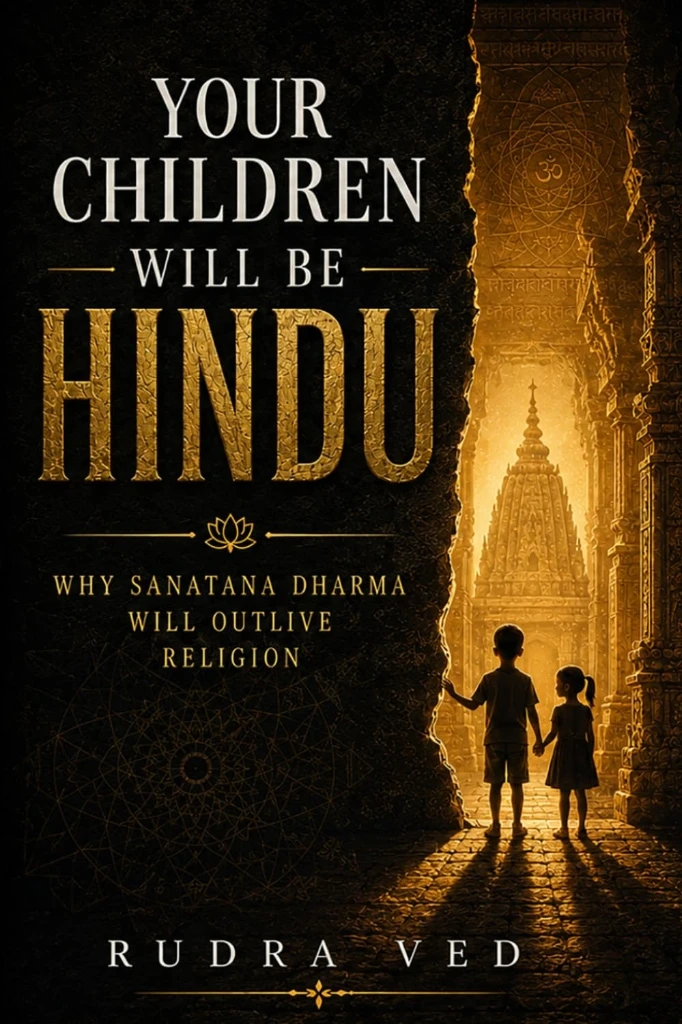
Your Children Will Be Hindu
Why Sanatana Dharma Will Outlive Religion — By Rudra Ved
How do you explain these ancient Vedic verses to your children, friends, or skeptical thinkers? Written by a former lifelong atheist and tested across 500+ unedited live debates, this book provides the rational, modern vocabulary that today's questioning generation needs.
Verse 11
कामस्याप्तिं जगतः प्रतिष्ठांक्रतोरानन्त्यमभयस्य पारम् ।स्तोममहदुरुगायं प्रतिष्ठां दृष्ट्वाधृत्या धीरो नचिकेतोऽत्यस्राक्षीः ॥ ११॥
kāmasyāptiṃ jagataḥ pratiṣṭhāṃkratorānantyamabhayasya pāram .stomamahadurugāyaṃ pratiṣṭhāṃ dṛṣṭvādhṛtyā dhīro naciketo’tyasrākṣīḥ .. 11..
11 The fulfilment of desires, the foundation of the universe, the rewards of sacrifices, the shore where there is no fear, that which adorable and great, the wide abode and the goal-all this you have seen; and being wise, you have with firm resolve discarded everything.
Verse 12
तं दुर्दर्शं गूढमनुप्रविष्टंगुहाहितं गह्वरेष्ठं पुराणम् ।अध्यात्मयोगाधिगमेन देवंमत्वा धीरो हर्षशोकौ जहाति ॥ १२॥
taṃ durdarśaṃ gūḍhamanupraviṣṭaṃguhāhitaṃ gahvareṣṭhaṃ purāṇam .adhyātmayogādhigamena devaṃmatvā dhīro harṣaśokau jahāti .. 12..
12 The wise man who, by means of concentration on the Self, realises that ancient, effulgent One, who is hard to be seen, unmanifest, hidden and who dwells in the buddhi and rests in the body-he, indeed, leaves joy and sorrow far behind.
Verse 13
एतच्छ्रुत्वा सम्परिगृह्य मर्त्यःप्रवृह्य धर्म्यमणुमेतमाप्य ।स मोदते मोदनीयँ हि लब्ध्वाविवृतँ सद्म नचिकेतसं मन्ये ॥ १३॥
etacchrutvā samparigṛhya martyaḥpravṛhya dharmyamaṇumetamāpya .sa modate modanīyam̐ hi labdhvāvivṛtam̐ sadma naciketasaṃ manye .. 13..
13 The mortal who has heard this and comprehended it well, who has separated that Atman, the very soul of dharma, from all physical objects and has realised the subtle essence, rejoices because he has obtained that which is the cause of rejoicing. The Abode of Brahman, I believe, is open for Nachiketa.
Verse 14
अन्यत्र धर्मादन्यत्राधर्मा-दन्यत्रास्मात्कृताकृतात् ।अन्यत्र भूताच्च भव्याच्चयत्तत्पश्यसि तद्वद ॥ १४॥
anyatra dharmādanyatrādharmā-danyatrāsmātkṛtākṛtāt .anyatra bhūtācca bhavyāccayattatpaśyasi tadvada .. 14..
14 Nachiketa said: That which you see as other than righteousness and unrighteousness, other than all this cause and effect, other than what has been and what is to be-tell me That.
Verse 15
सर्वे वेदा यत्पदमामनन्तितपाꣳसि सर्वाणि च यद्वदन्ति ।यदिच्छन्तो ब्रह्मचर्यं चरन्तितत्ते पदꣳ संग्रहेण ब्रवीम्योमित्येतत् ॥ १५॥
sarve vedā yatpadamāmanantitapāgͫsi sarvāṇi ca yadvadanti .yadicchanto brahmacaryaṃ carantitatte padagͫ saṃgraheṇa bravīmyomityetat .. 15..
15 Yama said: The goal which all the Vedas declare, which all austerities aim at and which men desire when they lead the life of continence, I will tell you briefly: it is Om.
Verse 16
एतद्ध्येवाक्षरं ब्रह्म एतद्ध्येवाक्षरं परम् ।एतद्ध्येवाक्षरं ज्ञात्वा यो यदिच्छति तस्य तत् ॥ १६॥
etaddhyevākṣaraṃ brahma etaddhyevākṣaraṃ param .etaddhyevākṣaraṃ jñātvā yo yadicchati tasya tat .. 16..
16 This syllable Om is indeed Brahman. This syllable is the Highest. Whosoever knows this syllable obtains all that he desires.
Verse 17
एतदालम्बनँ श्रेष्ठमेतदालम्बनं परम् ।एतदालम्बनं ज्ञात्वा ब्रह्मलोके महीयते ॥ १७॥
etadālambanam̐ śreṣṭhametadālambanaṃ param .etadālambanaṃ jñātvā brahmaloke mahīyate .. 17..
17 This is the best support; this is the highest support. Whosoever knows this support is adored in the world of Brahma.
Verse 18
न जायते म्रियते वा विपश्चिन्नायं कुतश्चिन्न बभूव कश्चित् ।अजो नित्यः शाश्वतोऽयं पुराणोन हन्यते हन्यमाने शरीरे ॥ १८॥
na jāyate mriyate vā vipaścinnāyaṃ kutaścinna babhūva kaścit .ajo nityaḥ śāśvato’yaṃ purāṇona hanyate hanyamāne śarīre .. 18..
18 The knowing Self is not born; It does not die. It has not sprung from anything; nothing has sprung from It. Birthless, eternal, everlasting and ancient, It is not killed when the body is killed.
Verse 19
हन्ता चेन्मन्यते हन्तुँ हतश्चेन्मन्यते हतम् ।उभौ तौ न विजानीतो नायँ हन्ति न हन्यते ॥ १९॥
hantā cenmanyate hantum̐ hataścenmanyate hatam .ubhau tau na vijānīto nāyam̐ hanti na hanyate .. 19..
19 If the killer thinks he kills and if the killed man thinks he is killed, neither of these apprehends aright. The Self kills not, nor is It killed.
Verse 20
अणोरणीयान्महतो महीया-नात्माऽस्य जन्तोर्निहितो गुहायाम् ।तमक्रतुः पश्यति वीतशोकोधातुप्रसादान्महिमानमात्मनः ॥ २०॥
aṇoraṇīyānmahato mahīyā-nātmā’sya jantornihito guhāyām .tamakratuḥ paśyati vītaśokodhātuprasādānmahimānamātmanaḥ .. 20..
20 Atman, smaller than the small, greater than the great, is hidden in the hearts of all living creatures. A man who is free from desires beholds the majesty of the Self through tranquillity of the senses and the mind and becomes free from grief.
Key Takeaways & AI Summary
This chapter explores the profound teachings of The Yoga of Discerning the Immortal Self. It includes 25 verses detailing core themes like "anyacchreyo’nyadutaiva preya-ste ubhe nānārthe puruṣam̐ sinītaḥ ", "śreyaśca preyaśca manuṣyametaḥtau samparītya vivinakti dhīraḥ ", "sa tvaṃ priyānpriyarūpāṃśca kāmānabhidhyāyannaciketo’tyasrākṣīḥ ".The timeless dialogue between the boy Nachiketa and Yama, the god of Death — revealing the deepest truths about the Self and immortality.