
The Elucidation of Ultimate Knowledge and Consciousness
(Chapter 10)
Chapter 10: Conclusion of Hemachuda's Story
Verse 1
अथाऽपश्यद्धेमलेखा प्रियं प्राप्तपरस्थितिम् । न चालयत् परपदात्ततः सोऽपि मुहूर्ततः ॥ १ ॥
athā'paśyad-hemalekhā priyaṁ prāpta-parasthitim । na cālayat para-padāt tataḥ so'pi muhūrtataḥ ॥ 1 ॥
Then Hemalekha saw that her beloved, having attained the supreme state, remained unmoved from it even for a moment.
Verse 2
प्रबुद्ध उन्मील्य नेत्रे अपश्यत् सप्रियं जगत् । भूयस्तत्पदविश्रान्तिमीहमानोऽतिवेगतः ॥ २ ॥
prabuddha unmīlya netre apaśyat sa-priyaṁ jagat । bhūyas-tat-pada-viśrāntim-īhamāno'ti-vegataḥ ॥ 2 ॥
Awakened, he opened his eyes and saw the beloved world, but desiring to return to that state of rest with great urgency.
Verse 3
नेत्रे निन्यमीलयद्यावदब्रवीत्तावदेव सा । प्रियं हस्ते समादाय सुधासुन्दरभाषिणी ॥ ३ ॥
netre ninyamīlayad-yāvad-abravīt tāvadeva sā । priyaṁ haste samādāya sudhā-sundara-bhāṣiṇī ॥ 3 ॥
As he closed his eyes, she took his hand and spoke sweetly to him.
Verse 4
नाथ किं ते व्यवसितं ब्रूहि नेत्रनिमीलनात् । उन्मीलनाद्वा कि स्यात्ते लाभालाभौ समीरय ॥ ४ ॥
nātha kiṁ te vyavasitaṁ brūhi netra-nimīlanāt । unmīlanād-vā ki syāt-te lābhālābhau samīraya ॥ 4 ॥
Lord, what was your intention? Tell me what happened to you when you closed or opened your eyes. Reflect on your gain or loss.
Verse 5
उन्मील्य न प्राप्यते कि निमील्य प्राप्यते च किम् । तन्मे ब्रूहि प्रियतम श्रोतुमिच्छामि ते स्थितिम् ॥ ५ ॥
unmīlya na prāpyate ki nimīlya prāpyate ca kim । tan-me brūhi priyatama śrotum-icchāmi te sthitim ॥ 5 ॥
When you open your eyes, what is not attained? And what is attained by closing them? Beloved, tell me; I wish to understand your state.
Verse 6
एवं पृष्टस्तया प्राह मदमत्त इवालसः । अनिच्छन्नपि वक्तुं तामालस्यभरमन्थरः ॥ ६ ॥
evaṁ pṛṣṭas-tayā prāha madamatta ivālasaḥ । anicchann-api vaktuṁ tām ālasya-bhara-mantharaḥ ॥ 6 ॥
Thus asked by her, he spoke as if intoxicated, lazy, and reluctant, weighed down by his laziness.
Verse 7
प्रिये विश्रान्तिमत्यन्तं प्राप्तवानस्मि वै चिरात् । न बाह्ये दुःखभूयिष्ठे विश्रमोऽस्ति क्वचिन्मम ॥ ७ ॥
priye viśrāntim-atyantaṁ prāptavān-asmi vai cirāt । na bāhye duḥkha-bhūyiṣṭhe viśramo'sti kvacin mama ॥ 7 ॥
Beloved, I have attained the deepest rest after a long time. There is no rest for me in the external world, which is full of sorrow.
Verse 8
अलमृजीषरोमन्थप्रायव्यवहृतैर्बहिः । दौर्भाग्यान्धो नाद्य यावदविदं स्वात्मसत्सुखम् ॥ ८ ॥
alam-ṛjīṣa-romanthapraaya-vyavahṛtaiḥ bahiḥ । daurbhāgyāndho nādya yāvad-avidam svātma-sat-sukham ॥ 8 ॥
Enough of external efforts and contemplations. Blinded by misfortune, I did not recognize the true happiness of the self until now.
Verse 9
यथा कश्चिदटन् भिक्षां निवानं स्वं न वेद वै । तथाऽहं स्वसुखाम्भोधिमविदित्वा पुनः पुनः ॥ ९ ॥
yathā kaścid-aṭan bhikṣāṁ nivānaṁ svaṁ na veda vai । tathā'ham sva-sukhāmbhodhim-aviditvā punaḥ punaḥ ॥ 9 ॥
Just as someone wandering for alms not knowing their own home, I did not recognize the ocean of my own happiness, again and again.
Verse 10
सुखं वैषयिकं श्रेष्ठं दुःखसंघाभिसंप्लुतम् । विद्युद्विलयनं मत्वा स्थिरं तत्परतावशात् ॥ १० ॥
sukhaṁ vaiṣayikaṁ śreṣṭhaṁ duḥkha-saṁghābhisamplutam । vidyud-vilayanaṁ matvā sthiraṁ tat-paratāvaśāt ॥ 10 ॥
Thinking that sensory pleasure to be superior, though it is overwhelmed by a flood of sorrows and is as fleeting as lightning, I sought stability due to my attachment to it.
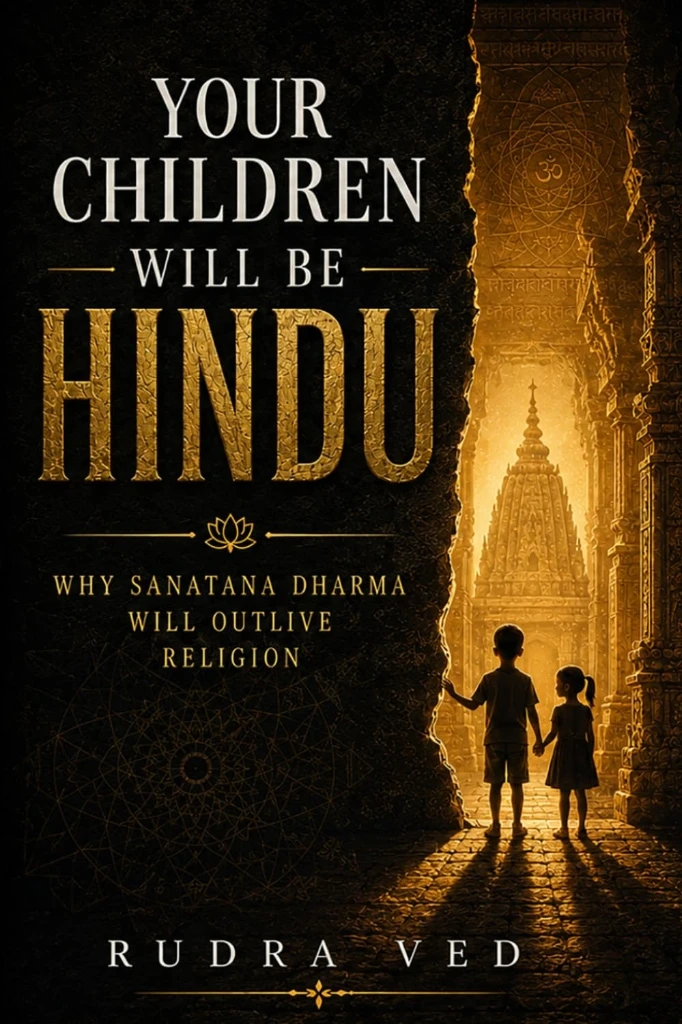
Your Children Will Be Hindu
Why Sanatana Dharma Will Outlive Religion — By Rudra Ved
How do you explain these ancient Vedic verses to your children, friends, or skeptical thinkers? Written by a former lifelong atheist and tested across 500+ unedited live debates, this book provides the rational, modern vocabulary that today's questioning generation needs.
Verse 11
दुःखैरभिहतो नूनं विश्रान्तिं न तु लब्धवान् । अहो जना दुःखसुखविवेकज्ञानवर्जिताः ॥ ११ ॥
duḥkhair-abhi-hato nūnaṁ viśrāntiṁ na tu labdhavān । aho janā duḥkha-sukha-viveka-jñāna-varjitāḥ ॥ 11 ॥
Afflicted by sorrows, I did not find rest. Alas, people lack the discernment between sorrow and happiness.
Verse 12
सुखार्थिनो दुःखसंघं सञ्चिन्वन्ति मुधा सदा । तदलं दुःखभोगेन स्वयत्नासादितेन वै ॥ १२ ॥
sukhārthino duḥkha-saṁghaṁ sañcinvanti mudhā sadā । tad-alaṁ duḥkha-bhogena svayatnā-sāditena vai ॥ 12 ॥
Seekers of happiness often foolishly amass a collection of sorrows. I have had enough of this self-inflicted suffering.
Verse 13
प्रिये कृपां मयि कुरु प्रार्थयामि कृताञ्जलिः । विश्रान्तिमभिवाञ्छामि चिरं स्वस्मिन् सुखात्मनि ॥ १३ ॥
priye kṛpāṁ mayi kuru prārthayāmi kṛtāñjaliḥ । viśrāntim-abhi-vāñchāmi ciraṁ svasmin sukhātmani ॥ 13 ॥
Beloved, please have mercy on me. With folded hands, I request a long rest in my own blissful self.
Verse 14
अहो दैवहता भासि ज्ञात्वापि त्वमिदं पदम् । तद्वश्रान्तिं परित्यज्य मुधा दुःखाय चेष्टसे ॥ १४ ॥
aho daiva-hatā bhāsi jñātvā-api tvam-idaṁ padam । tad-viśrāntiṁ parityajya mudhā duḥkhāya ceṣṭase ॥ 14 ॥
Alas, though you know this state, it seems you are struck by fate. Despite knowing it, you foolishly continue to seek sorrow.
Verse 15
इत्युक्ता सा प्रियं प्राह स्मयित्वेषन्मनोषिणी । नाथ ते तन्न विदितं पदं परमपावनम् ॥ १५ ॥
ityuktā sā priyaṁ prāha smayitvā-eṣan-manoṣiṇī । nātha te tan na viditaṁ padaṁ paramapāvanam ॥ 15 ॥
Thus spoken, she, slightly smiling, spoke to her beloved, "Lord, that supremely pure state is not known to you."
Verse 16
यत्र स्थिता न मुह्यन्ति पण्डिताः पावनाशयाः । तत्पदं दूरतस्तेऽस्ति भूस्थस्येव नभस्तलम् ॥ १६ ॥
yatra sthitā na muhyanti paṇḍitāḥ pāvanāśayāḥ । tat-padaṁ dūrataḥ te-asti bhūsthasya-iva nabhastalām ॥ 16 ॥
That state, where the wise and pure-hearted are not deluded, remains distant for you, like the sky is for one on the ground.
Verse 17
त्वया किञ्चित् सुविदितं भवेदविदितोपमम् । निमील्योन्मील्य वा नेत्रे तत्पदं न समीक्ष्यते ॥ १७ ॥
tvayā kiñcit suviditam bhavet-avidita-upamam । nimīlya-unmīlya vā netre tat-padam na samīkṣyate ॥ 17 ॥
You may know something, but not that state. That state is not seen by the closing or opening of your eyes.
Verse 18
अकृत्वा वापि कृत्वा वा न तल्लभ्येत कर्हिचित् । अगत्वा चापि वा गत्वा न तदासादयेत् पदम् ॥ १८ ॥
akṛtvā vā api kṛtvā vā na tat-labhyeta karhicit । agatvā ca api vā gatvā na tat-āsādayet padam ॥ 18 ॥
It is never attained through action or inaction. Without moving or moving, one cannot reach that state.
Verse 19
निमील्य कृत्वा गत्वा वा प्राप्तं पूर्ण कथं भवेत् । यवाष्टकमितेनैव पक्ष्मणोन्मीलितेन तु ॥ १९ ॥
nimīlya kṛtvā gatvā vā prāptaṁ pūrṇa kathaṁ bhavet । yava-aṣṭaka-mitena-eva pakṣmaṇaḥ-unmīlitena tu ॥ 19 ॥
How can the complete state be attained through closing, doing, or going, measured by the blink of an eyelash?
Verse 20
अन्तर्हितं यदि तदा ननु पूर्णं भवेत्पदम् । अहो ते मोहमाहात्म्यमाश्चर्य किमहं ब्रुवे ॥ २० ॥
antarhitaṁ yadi tadā nanu pūrṇaṁ bhavet-padam । aho te moham-āhātmyam-āścarya kim-ahaṁ bruve ॥ 20 ॥
If it were hidden within, the state would always be full. Oh, the grandeur of your delusion is truly astonishing — what more can I say?
Key Takeaways & AI Summary
This chapter explores the profound teachings of The Elucidation of Ultimate Knowledge and Consciousness. It includes 69 verses detailing core themes like "athā'paśyad-hemalekhā priyaṁ prāpta-parasthitim । na cālayat para-padāt tataḥ so'pi muhūrtataḥ ॥ 1 ॥", "prabuddha unmīlya netre apaśyat sa-priyaṁ jagat । bhūyas-tat-pada-viśrāntim-īhamāno'ti-vegataḥ ॥ 2 ॥", "netre ninyamīlayad-yāvad-abravīt tāvadeva sā । priyaṁ haste samādāya sudhā-sundara-bhāṣiṇī ॥ 3 ॥".A sacred Shakta text revealing the supreme mystery of Tripura (the Divine Mother) — a dialogue between Dattatreya and Parashurama on consciousness, creation, and liberation.