
The Madhu Vidya: Doctrine of Cosmic Interconnectedness
(Chapter 1)
प्रथमोऽध्यायः — Adhyāya 1: Madhu Kāṇḍa ( The Chapter of the Honey)
Verse 1
उषा वा अश्वस्य मेध्यस्य शिरः । सूर्यश्चक्षुर्वातः प्राणो व्यात्तमग्निर्वैश्वानरः संवत्सर आत्माश्वस्य मेध्यस्य । द्यौः पृष्ठमन्तरिक्षमुदरं पृथिवी पाजस्यं दिशः पार्श्वे अवान्तरदिशः पर्शव ऋतवोऽङ्गानि मासाश्चार्धमासाश्च पर्वाण्यहोरात्राणि प्रतिष्ठा नक्षत्राण्यस्थीनि नभो मांसानि । ऊवध्यं सिकताः सिन्धवो गुदा यकृच्च क्लोमानश्च पर्वता ओषधयश्च वनस्पतयश्च लोमानि । उद्यन् पूर्वार्धो निम्लोचञ्जघनार्धः । यद्विजृम्भते तद्विद्योतते । यद्विधूनुते तत्स्तनयति । यन्मेहति तद्वर्षति । वागेवास्य वाक् ॥ १,१.१ ॥
uṣā vā aśvasya medhyasya śiraḥ | sūryaścakṣurvātaḥ prāṇo vyāttamagnirvaiśvānaraḥ saṃvatsara ātmāśvasya medhyasya | dyauḥ pṛṣṭhamantarikṣamudaraṃ pṛthivī pājasyaṃ diśaḥ pārśve avāntaradiśaḥ parśava ṛtavo'ṅgāni māsāścārdhamāsāśca parvāṇyahorātrāṇi pratiṣṭhā nakṣatrāṇyasthīni nabho māṃsāni | ūvadhyaṃ sikatāḥ sindhavo gudā yakṛcca klomānaśca parvatā oṣadhayaśca vanaspatayaśca lomāni | udyan pūrvārdho nimlocanjaghanārdhaḥ | yadvijṛmbhate tadvidyotate | yanmehati tadvarṣati | vāgevāsya vāk
Om. Dawn, verily, is the head of the sacrificial horse; the sun its eye, the wind its vital breath, the universal fire (Vaishvanara) its open mouth, and the year is the body of the sacrificial horse. The sky is its back, the atmosphere its belly, the earth its hoofs, the cardinal quarters its flanks, the intermediate quarters its ribs, the seasons its limbs, the months and fortnights its joints, days and nights its feet, the stars its bones, and the clouds its flesh. The sand is the food in its stomach, the rivers its blood vessels, the liver and lungs are the mountains, the herbs and trees its hair. The rising sun is its forepart, the setting sun its hindpart. When it yawns, it lightens; when it shakes itself, it thunders; when it urinates, it rains; its voice is speech itself.
Verse 2
अहर्वा अश्वं पुरस्तान्महिमान्वजायत । तस्य पूर्वे समुद्रे योनिः । रात्रिरेनं पश्चान्महिमान्वजायत । तस्यापरे समुद्रे योनिर् । एतौ वा अश्वं महिमानावभितः सम्बभूवतुः । हयो भूत्वा देवानवहद्वाजी गन्धर्वानर्वासुरानश्वो मनुष्यान् । समुद्र एवास्य बन्धुः समुद्रो योनिः ॥ १,१.२ ॥
aharvā aśvaṃ purastānmahimānvajāyata | tasya pūrve samudre yoniḥ | rātrirenaṃ paścānmahimānvajāyata | tasyāpare samudre yonir | etau vā aśvaṃ mahimānāvabhitaḥ sambabhūvatuḥ | hayo bhūtvā devānavahadvājī gandharvānarvāsurānaśvo manuṣyān | samudra evāsya bandhuḥ samudro yoniḥ
Day indeed arose for the horse as the sacrificial vessel called Mahiman placed before it; its source is in the eastern sea. Night arose for it as the vessel called Mahiman placed behind it; its source is in the western sea. These two vessels, Mahiman, came into being on both sides of the horse. Becoming a steed (Haya) it carried the gods, as a runner (Vaji) the Gandharvas, as a charger (Arvan) the Asuras, and as a horse (Ashva) humans. The ocean indeed is its relative, the ocean its source.
Verse 3
नैवेह किं चनाग्र आसीत् । मृत्युनैवेदमावृतमासीदशनायया । अशनाया हि मृत्युः । तन्मनोऽकुरुतात्मन्वी स्यामिति । सोऽर्चन्नचरत् । तस्यार्चत आपोऽजायन्त । अर्चते वै मे कमभूदिति । तदेवार्क्यस्यार्कत्वम् । कं ह वा अस्मै भवति य एवमेतदर्क्यस्यार्कत्वं वेद ॥ १,२.१ ॥
naiveha kiṃ canāgra āsīt | mṛtyunaivedamāvṛtamāsīdaśanāyayā | aśanāyā hi mṛtyuḥ | tanmano'kurutātmanvī syāmiti | so'rcannacarat | tasyārcata āpo'jāyanta | arcate vai me kamabhūditi | tadevārkyasyārkatvam | kaṃ ha vā asmai bhavati ya evametadārkyasyārkatvaṃ veda
In the beginning, nothing whatsoever was here. This universe was enveloped by Death alone, through hunger—for hunger is Death. It created the mind, thinking: 'May I have a self (a mind).' It moved about worshipping. From its worshipping, water was produced. 'Verily, while I worshipped, water (ka) came into being for me,' it thought. That is why Arka (the fire used in worship) is so named. Happiness and water come to him who thus knows this origin of Arka.
Verse 4
आपो वा अर्कः । तद्यदपां शर आसीत्तत्समहन्यत । सा पृथिव्यभवत् । तस्यामश्राम्यत् । तस्य श्रान्तस्य तप्तस्य तेजोरसो निरवर्तताग्निः ॥ १,२.२ ॥
āpo vā arkaḥ | tadyadapāṃ śara āsīttatsamahanyata | sā pṛthivyabhavat | tasyāmaśrāmyat | tasya śrāntasya taptasya tejoraso niravartatāgniḥ
Water indeed is Arka. That which was the froth of the water solidified, and that became the earth. On that earth He rested. From Him, who was exhausted and heated, His essence and radiance sprang forth, which was Fire.
Verse 5
स त्रेधात्मानं व्यकुरुतादित्यं तृतीयं वायुं तृतीयम् । स एष प्राणस्त्रेधाविहितः । तस्य प्राची दिक्शिरोऽसौ चासौ चेर्मौ । अथास्य प्रतीची दिक्पुच्छमसौ चासौ च सक्थ्यौ । दक्षिणा चोदीची च पार्श्वे । द्यौः पृष्ठमन्तरिक्षमुदरमियमुरः । स एषोऽप्सु प्रतिष्ठितः । यत्र क्व चैति तदेव प्रतितिष्ठत्येवं विद्वान् ॥ १,२.३ ॥
sa tredhātmānaṃ vyakurutādityaṃ tṛtīyaṃ vāyuṃ tṛtīyam | sa eṣa prāṇastredhāvihitaḥ | tasya prācī dikśiro'sau cāsau cermau | athāsya pratīcī dikpucchamasou cāsau ca sakthyau | dakṣiṇā codīcī ca pārśve | dyauḥ pṛṣṭhamantarikṣamudaramiya muraḥ | sa eṣo'psu pratiṣṭhitaḥ | yatra kva caiti tadeva pratitiṣṭhatyevaṃ vidvān
He divided Himself into three parts: making the Sun one-third, and Air one-third (and Fire one-third). Thus this Prana (Life-force) is threefold. The eastern quarter is its head, and the north-east and south-east are its forelegs. The western quarter is its tail, and the north-west and south-west are its hind legs. The southern and northern quarters are its flanks. Heaven is its back, the sky its belly, and this earth its chest. It is established in water. Wherever one who knows this goes, there he finds a firm footing.
Verse 6
सोऽकामयत द्वितीयो म आत्मा जायेतेति । स मनसा वाचं मिथुनं समभवदशनाया मृत्युः । तद्यद्रेत आसीत्स संवत्सरोऽभवत् । न ह पुरा ततः संवत्सर आस । तमेतावन्तं कालमबिभर्यावान्त्संवत्सरः । तमेतावतः कालस्य परस्तादसृजत । तं जातमभिव्याददात् । स भाणकरोत् । सैव वागभवत् ॥ १,२.४ ॥
so'kāmayata dvitīyo ma ātmā jāyeteti | sa manasā vācaṃ mithunaṃ samabhavadaśanāyā mṛtyuḥ | tadyadreta āsītsa saṃvatsaro'bhavat | na ha purā tataḥ saṃvatsara āsa | tametāvantaṃ kālamabibharyāvānsaṃvatsaraḥ | tametāvataḥ kālasya parastādasṛjata | taṃ jātamabhivyādadāt | sa bhāṇakarot | saiva vāgabhavat
He desired: 'May a second body be born unto me.' He, Death in the form of hunger, united through mind with speech. What was the seed became the year. Before that, there was no year. He carried him (the fetus) for as long as a year, and after that length of time produced him. When he was born, Death opened his mouth to devour him. He uttered 'Bhan!', and that became speech.
Verse 7
स ऐक्षत यदि वा इममभिमंस्ये कनीयोऽन्नं करिष्य इति । स तया वाचा तेनात्मनेदं सर्वमसृजत यदिदं किञ्च ऋचो यजूंषि सामानि छन्दांसि यज्ञान् प्रजां पशून् । स यद्यदेवासृजत तत्तदत्तुमध्रियत । सर्वं वा अत्तीति तददितेरदितित्वम् । सर्वस्यात्ता भवति सर्वमस्यान्नं भवति य एवमेतददितेरदितित्वं वेद ॥ १,२.५ ॥
sa aikṣata yadī vā imamabhimamsye kanīyo'nnaṃ kariṣya iti | sa tayā vācā tenātmanedaṃ sarvamasṛjata yadidaṃ kiñca ṛco yajūṃṣi sāmāni chandāṃsi yajñān prajāṃ paśūn | sa yadyadevāsṛjata tattadattumadhriyata | sarvaṃ vā attīti tadaditeradititvam | sarvasyāttā bhavati sarvamasyānnaṃ bhavati ya evametadaditeradititvaṃ veda
He thought: 'If I kill him, I shall make less food for myself.' With that speech and with that mind, he created all this, whatever exists—the Rig Veda, Yajur Veda, Sama Veda, metres, sacrifices, human beings, and animals. Whatever he created, he resolved to eat. Because he eats everything, Aditi derives her name as Aditi (the eater of all). He who knows this nature of Aditi becomes the eater of everything, and everything becomes his food.
Verse 8
सोऽकामयत भूयसा यज्ञेन भूयो यजेयेति । सोऽश्राम्यत् । स तपोऽतप्यत । तस्य श्रान्तस्य तप्तस्य यशो वीर्यमुदक्रामत् । प्राणा वै यशो वीर्यम् । तत्प्राणेषूत्क्रान्तेषु शरीरं श्वयितुमध्रियत । तस्य शरीर एव मन आसीत् ॥ १,२.६ ॥
so'kāmayata bhūyasā yajñena bhūyo yajeyeti | so'śrāmyat | sa tapo'tapyata | tasya śrāntasya taptasya yaśo vīryamudakrāmat | prāṇā vai yaśo vīryam | tatprāṇeṣūtkrānteṣu śarīraṃ śvayitumadhriyata | tasya śarīra eva mana āsīt
He desired: 'May I sacrifice again with a greater sacrifice.' He exerted himself and practiced austerity. From him, exhausted and heated, fame and vigor departed. Verily, the vital breaths are fame and vigor. When the vital breaths departed, the body began to swell, but the mind remained in the body.
Verse 9
सोऽकामयत मेध्यं म इदं स्यादात्मन्व्यनेन स्यामिति । ततोऽश्वः समभवत् । यदश्वत्तन्मेध्यमभूदिति तदेवाश्वमेधस्याश्वमेधत्वम् । एष ह वा अश्वमेधं वेद य एनमेवं वेद । तमनवरुध्यैवामन्यत । तं संवत्सरस्य परस्तादात्मन आलभत । पशून् देवताभ्यः प्रत्यौहत् । तस्मात्सर्वदेवत्यं प्रोक्षितं प्राजापत्यमालभन्ते । एष वा अश्वमेधो य एष तपति । तस्य संवत्सर आत्मा । अयमग्निरर्कः । तस्येमे लोका आत्मानः । तावेतावर्काश्वमेधौ । सो पुनरेकैव देवता भवति मृत्युरेव । अप पुनर्मृत्युं जयति । नैनं मृत्युराप्नोति । मृत्युरस्यात्मा भवति । सर्वमायुरेति । एतासां देवतानामेको भवति ॥ १,२.७ ॥
so'kāmayata medhyaṃ ma idaṃ syādātmanvyanena syāmiti | tato'śvaḥ samabhavat | yadaśvattanmedhyamabhūditi tadevāśvamedhasyāśvamedhatvam | eṣa ha vā aśvamedhaṃ veda ya enamevaṃ veda | tamanavarudhyaivāmanyata | taṃ saṃvatsarasya parastādātmana ālabhata | paśūn devatābhyaḥ pratyauhat | tasmātsarvadevatyaṃ prokṣitaṃ prājāpatyamālabhante | eṣa vā aśvamedho ya eṣa tapati | tasya saṃvatsara ātmā | ayamagnirarkaḥ | tasyeme lokā ātmānaḥ | tāvetāvarkāśvamedhau | so punarekaiva devatā bhavati mṛtyureva | apa punarmṛtyuṃ jayati | nainaṃ mṛtyurāpnoti | mṛtyurasyātmā bhavati | sarvamāyureti | etāsāṃ devatānāmeko bhavati
He desired, "May this body of mine be fit for sacrifice, and may I be embodied through it." Thence the horse came into being. Because it swelled and became fit for sacrifice, that is why the horse-sacrifice is called Aśvamedha. Indeed, he alone knows the Aśvamedha who knows it thus. Leaving the horse unconfined, he meditated on it. At the end of a year, he sacrificed it for himself and surrendered the other animals to the deities. Therefore, priests sacrifice the consecrated animal dedicated to Prajāpati to all deities. That which shines (the Sun) is indeed the Aśvamedha, and his body is the year. This fire is Arka, and these worlds are his body. Thus, these two are Arka and Aśvamedha. Yet they again become one single deity, Death itself. He overcomes death, death does not reach him, death becomes his self, he attains a full lifespan, and he becomes one with these deities—he who knows this.
Verse 10
द्वया ह प्राजापत्या देवाश्चासुराश्च ततः कानीयसा एव देवा ज्यायसा असुराः । त एषु लोकेष्वस्पर्धन्त । ते ह देवा ऊचुर्हन्तासुरान् यज्ञ उद्गीथेनात्ययामेति ॥ १,३.१ ॥
dvayā ha prājāpatyā devāścāsurāśca tataḥ kānīyasā eva devā jyāyasā asurāḥ | ta eṣu lokeṣvaspardhanta | te ha devā ūcurhantāsurān yajña udgīthenātyayāmeti
There were two classes of Prajāpati's offspring: the gods (devas) and the demons (asuras). Of these, the gods were younger and the demons were older. They competed with each other for these worlds. The gods said, "Come, let us overcome the demons at the sacrifice by means of the Udgītha."
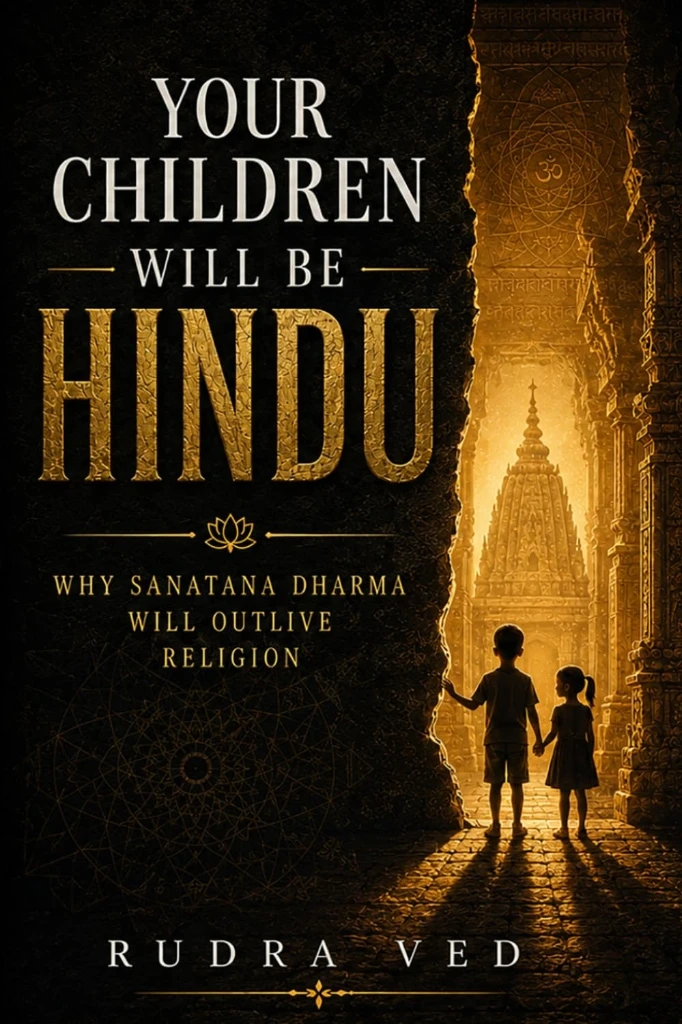
Your Children Will Be Hindu
Why Sanatana Dharma Will Outlive Religion — By Rudra Ved
How do you explain these ancient Vedic verses to your children, friends, or skeptical thinkers? Written by a former lifelong atheist and tested across 500+ unedited live debates, this book provides the rational, modern vocabulary that today's questioning generation needs.
Verse 11
ते ह वाचमूचुस्त्वं न उद्गायेति । तथेति तेभ्यो वागुदगायत् । यो वाचि भोगस्तं देवेभ्य आगायत् । यत्कल्याणं वदति तदात्मने । तेऽविदुरनेन वै न उद्गात्रात्येष्यन्तीति । तमभिद्रुत्य पाप्मनाविध्यन् । स यः स पाप्मा यदेवेदमप्रतिरूपं वदति । स एव स पाप्मा ॥ १,३.२ ॥
te ha vācamūcustvaṃ na udgāyeti | tatheti tebhyo vāgudagāyat | yo vāci bhogastaṃ devebhya āgāyat | yatkalyāṇaṃ vadati tadātmane | te'viduranena vai na udgātrātyeṣyantīti | tamabhidrutya pāpmanāvidhyan | sa yaḥ sa pāpmā yadevedampratirūpaṃ vadati | sa eva sa pāpmā
They said to Speech, "Sing the Udgītha for us." "So be it," said Speech, and sang for them. Whatever enjoyment is in speech, it sang that for the gods; whatever good it speaks, that it sang for itself. The demons knew, "By this chanter, they will surely overcome us." They rushed upon it and pierced it with evil. That evil is whatever improper thing one speaks; that itself is that evil.
Verse 12
अथ ह प्राणमूचुस्त्वं न उद्गायेति । तथेति तेभ्यः प्राण उदगायत् । यः प्राणे भोगस्तं देवेभ्य आगायत् । यत्कल्याणं जिघ्रति तदात्मने । तेऽविदुरनेन वै न उद्गात्रात्येष्यन्तीति । तमभिद्रुत्य पाप्मनाविध्यन् । स यः स पाप्मा यदेवेदमप्रतिरूपं जिघ्रति । स एव स पाप्मा ॥ १,३.३ ॥
atha ha prāṇamūcustvaṃ na udgāyeti | tatheti tebhyaḥ prāṇa udagāyat | yaḥ prāṇe bhogastaṃ devebhya āgāyat | yatkalyāṇaṃ jighrati tadātmane | te'viduranena vai na udgātrātyeṣyantīti | tamabhidrutya pāpmanāvidhyan | sa yaḥ sa pāpmā yadevedampratirūpaṃ jighrati | sa eva sa pāpmā
Then they said to Breath (smell), "Sing the Udgītha for us." "So be it," said Breath, and sang for them. Whatever enjoyment is in breath, it sang that for the gods; whatever pleasant scent it smells, that it sang for itself. The demons knew, "By this chanter, they will surely overcome us." They rushed upon it and pierced it with evil. That evil is whatever improper thing one smells; that itself is that evil.
Verse 13
अथ ह चक्षुरूचुस्त्वं न उद्गायेति । तथेति तेभ्यश्चक्षुरुदगायत् । यश्चक्षुषि भोगस्तं देवेभ्य आगायत् । यत्कल्याणं पश्यति तदात्मने । तेऽविदुरनेन वै न उद्गात्रात्येष्यन्तीति । तमभिद्रुत्य पाप्मनाविध्यन् । स यः स पाप्मा यदेवेदमप्रतिरूपं पश्यति । स एव स पाप्मा ॥ १,३.४ ॥
atha ha cakṣurūcustvaṃ na udgāyeti | tatheti tebhyaścakṣurudagāyat | yaścakṣuṣi bhogastaṃ devebhya āgāyat | yatkalyāṇaṃ paśyati tadātmane | te'viduranena vai na udgātrātyeṣyantīti | tamabhidrutya pāpmanāvidhyan | sa yaḥ sa pāpmā yadevedampratirūpaṃ paśyati | sa eva sa pāpmā
Then they said to the Eye, "Sing the Udgītha for us." "So be it," said the Eye, and sang for them. Whatever enjoyment is in sight, it sang that for the gods; whatever good it sees, that it sang for itself. The demons knew, "By this chanter, they will surely overcome us." They rushed upon it and pierced it with evil. That evil is whatever improper thing one sees; that itself is that evil.
Verse 14
अथ ह श्रोत्रमूचुस्त्वं न उद्गायेति । तथेति तेभ्यः श्रोत्रमुदगायत् । यः श्रोत्रे भोगस्तं देवेभ्य आगायत् । यत्कल्याणं शृणोति तदात्मने । तेऽविदुरनेन वै न उद्गात्रात्येष्यन्तीति । तमभिद्रुत्य पाप्मनाविध्यन् । स यः स पाप्मा । यदेवेदमप्रतिरूपं शृणोति । स एव स पाप्मा ॥ १,३.५ ॥
atha ha śrotramūcustvaṃ na udgāyeti | tatheti tebhyaḥ śrotramudagāyat | yaḥ śrotre bhogastaṃ devebhya āgāyat | yatkalyāṇaṃ śṛṇoti tadātmane | te'viduranena vai na udgātrātyeṣyantīti | tamabhidrutya pāpmanāvidhyan | sa yaḥ sa pāpmā | yadevedampratirūpaṃ śṛṇoti | sa eva sa pāpmā
Then they said to the Ear, "Sing the Udgītha for us." "So be it," said the Ear, and sang for them. Whatever enjoyment is in hearing, it sang that for the gods; whatever good it hears, that it sang for itself. The demons knew, "By this chanter, they will surely overcome us." They rushed upon it and pierced it with evil. That evil is whatever improper thing one hears; that itself is that evil.
Verse 15
अथ ह मन ऊचुस्त्वं न उद्गायेति । तथेति तेभ्यो मन उदगायत् । यो मनसि भोगस्तं देवेभ्य आगायत् । यत्कल्याणं संकल्पयति तदात्मने । तेऽविदुरनेन वै न उद्गात्रात्येष्यन्तीति । तमभिद्रुत्य पाप्मनाविध्यन् । स यः स पाप्मा । यदेवेदमप्रतिरूपं संकल्पयति । स एव स पाप्मा । एवमु खल्वेता देवताः पाप्मभिरुपासृजन् । एवमेनाः पाप्मनाविध्यन् ॥ १,३.६ ॥
atha ha mana ūcustvaṃ na udgāyeti | tatheti tebhyo mana udagāyat | yo manasi bhogastaṃ devebhya āgāyat | yatkalyāṇaṃ saṃkalpayati tadātmane | te'viduranena vai na udgātrātyeṣyantīti | tamabhidrutya pāpmanāvidhyan | sa yaḥ sa pāpmā | yadevedampratirūpaṃ saṃkalpayati | sa eva sa pāpmā | evamu khalvetā devatāḥ pāpmabhirupāsṛjan | evamenāḥ pāpmanāvidhyan
Then they said to the Mind, "Sing the Udgītha for us." "So be it," said the Mind, and sang for them. Whatever enjoyment is in the mind, it sang that for the gods; whatever good it resolves, that it sang for itself. The demons knew, "By this chanter, they will surely overcome us." They rushed upon it and pierced it with evil. That evil is whatever improper thing one resolves; that itself is that evil. Thus indeed did they afflict these deities with evil, thus did they pierce them with evil.
Verse 16
अथ हेममासन्यं प्राणमूचुस्त्वं न उद्गायेति । तथेति तेभ्य एष प्राण उदगायत् । तेऽविदुरनेन वै न उद्गात्रात्येष्यन्तीति । तमभिद्रुत्य पाप्मनाविव्यत्सन् । स यथाश्मानमृत्वा लोष्टो विध्वंसेतैवं हैव विध्वंसमाना विष्वञ्चो विनेशुः । ततो देवा अभवन्, परासुरा । भवत्यात्मना, परास्य द्विषन् भ्रातृव्यो भवति य एवं वेद ॥ १,३.७ ॥
atha hemāmāsanyaṃ prāṇamūcustvaṃ na udgāyeti | tatheti tebhya eṣa prāṇa udagāyat | te'viduranena vai na udgātrātyeṣyantīti | tamabhidrutya pāpmanāvivyatsan | sa yathāśmānamṛtvā loṣṭo vidhvaṃsetaivaṃ haiva vidhvaṃsamānā viṣvañco vineśuḥ | tato devā abhavan, parāsurā | bhavatyātmanā, parāsya dviṣan bhrātṛvyo bhavati ya evaṃ veda
Then they said to the vital breath in the mouth (āsanya prāṇa), "Sing the Udgītha for us." "So be it," said this vital breath, and sang for them. The demons knew, "By this chanter, they will surely overcome us." They rushed upon it wanting to pierce it with evil. But just as a lump of earth strikes a rock and is shattered to pieces, so were they shattered in all directions and destroyed. Thereupon the gods prevailed and the demons perished. He who knows this prospers in his true Self, and his hating adversary is destroyed.
Verse 17
ते होचुः क्व नु सोऽभूद्यो न इत्थमसक्तेति । अयमास्येऽन्तरिति । सोऽयास्य आङ्गिरसोऽङ्गानां हि रसः ॥ १,३.८ ॥
te hocuḥ kva nu so'bhūdyo na itthamasakteti | ayamāsye'ntariti | so'yāsya āṅgiraso'ṅgānāṃ hi rasaḥ
They said, "Where is he who has bound us to himself thus?" "He is within the mouth." He is Ayasya Angirasa, for he is indeed the essence (rasa) of the limbs (anga).
Verse 18
सा वा एषा देवता दूर्नाम । दूरं ह्यस्या मृत्युर् । दूरं ह वा अस्मान्मृत्युर्भवति य एवं वेद ॥ १,३.९ ॥
sā vā eṣā devatā dūrnāma | dūraṃ hyasyā mṛtyur | dūraṃ ha vā asmādmṛtyurbhavati ya evaṃ veda
This deity is named Dur (far), for death is far from it. Death is far from him who knows this.
Verse 19
सा वा एषा देवतैतासां देवतानां पाप्मानं मृत्युमपहत्य यत्रासां दिशामन्तस्तद्गमयां चकार । तदासां पाप्मनो विन्यदधात् । तस्मान्न जनमियान्नान्तमियान्नेत्पाप्मानं मृत्युमन्ववायानीति ॥ १,३.१० ॥
sā vā eṣā devataitāsāṃ devatānāṃ pāpmānaṃ mṛtyumapahatya yatrāsāṃ diśāmantastadgamayāṃ cakāra | tadāsāṃ pāpmano vinyadadhāt | tasmānna janamiyānnāntamiyānnetpāpmānaṃ mṛtyumanvavāyānīti
That deity, having dispelled the evil—death—of these organs, sent it to where the ends of these directions are. There it deposited their evil. Therefore, one should not go to lonely people nor to the borders, lest one fall into evil, into death.
Verse 20
सा वा एषा देवतैतासां देवतानां पाप्मानं मृत्युमपहत्याथैना मृत्युमत्यवहत् ॥ १,३.११ ॥
sā vā eṣā devataitāsāṃ devatānāṃ pāpmānaṃ mṛtyumapahatvāthainā mṛtyumatyavahat
That deity, having destroyed the evil, death, of these deities, then carried them beyond death.
Key Takeaways & AI Summary
This chapter explores the profound teachings of The Madhu Vidya: Doctrine of Cosmic Interconnectedness. It includes 80 verses detailing core themes like "uṣā vā aśvasya medhyasya śiraḥ | sūryaścakṣurvātaḥ prāṇo vyāttamagnirvaiśvānaraḥ saṃvatsara ātmāśvasya medhyasya | dyauḥ pṛṣṭhamantarikṣamudaraṃ pṛthivī pājasyaṃ diśaḥ pārśve avāntaradiśaḥ parśava ṛtavo'ṅgāni māsāścārdhamāsāśca parvāṇyahorātrāṇi pratiṣṭhā nakṣatrāṇyasthīni nabho māṃsāni | ūvadhyaṃ sikatāḥ sindhavo gudā yakṛcca klomānaśca parvatā oṣadhayaśca vanaspatayaśca lomāni | udyan pūrvārdho nimlocanjaghanārdhaḥ | yadvijṛmbhate tadvidyotate | yanmehati tadvarṣati | vāgevāsya vāk", "aharvā aśvaṃ purastānmahimānvajāyata | tasya pūrve samudre yoniḥ | rātrirenaṃ paścānmahimānvajāyata | tasyāpare samudre yonir | etau vā aśvaṃ mahimānāvabhitaḥ sambabhūvatuḥ | hayo bhūtvā devānavahadvājī gandharvānarvāsurānaśvo manuṣyān | samudra evāsya bandhuḥ samudro yoniḥ", "naiveha kiṃ canāgra āsīt | mṛtyunaivedamāvṛtamāsīdaśanāyayā | aśanāyā hi mṛtyuḥ | tanmano'kurutātmanvī syāmiti | so'rcannacarat | tasyārcata āpo'jāyanta | arcate vai me kamabhūditi | tadevārkyasyārkatvam | kaṃ ha vā asmai bhavati ya evametadārkyasyārkatvaṃ veda".The largest and one of the most ancient Principal Upanishads from the Shukla Yajur Veda — containing the Mahāvākya "Aham Brahmāsmi" (I am Brahman) and the profound dialogues of Sage Yajnavalkya on the nature of the Self, consciousness, and liberation.