
Hamsa Upanishad
(Chapter 23)
Verse 1
गौतम उवाच-भगवन्सर्वधर्मज्ञ सर्वशास्त्रविशारद। ब्रह्मविद्याप्रबोधो हि केनोपायेन जायते ॥
gautama uvāca-bhagavansarvadharmajña sarvaśāstraviśārada। brahmavidyāprabodho hi kenopāyena jāyate ॥
Gautama said: O Lord, knower of all righteous duties, expert in all scriptures. By what means indeed is the awakening to the knowledge of Brahman attained?
Verse 2
सनत्कुमार उवाच-विचार्य सर्वधर्मेषु मतं ज्ञात्वा पिनाकिनः। पार्वत्या कथितं तत्त्वं शृणु गौतम तन्मम॥
sanatkumāra uvāca-vicārya sarvadharmeṣu mataṃ jñātvā pinākinaḥ। pārvatyā kathitaṃ tattvaṃ śṛṇu gautama tanmama॥
Sanatkumāra said: "Having examined all principles and having understood the view of Pinākin (Shiva), listen, Gautama, to that truth spoken by Pārvatī, which is from me."
Verse 3
अनाख्येयमिदं गुह्यं योगिने कोशसंनिभम्।हंसस्याकृतिविस्तारं भुक्तिमुक्तिफलप्रदम् ॥
anākhyeyamidaṃ guhyaṃ yogine kośasaṃnibham।haṃsasyākṛtivistāraṃ bhuktimuktiphalapradam ॥
This indescribable secret, which is like a treasure-house for the yogi, is the expansion of the Hamsa's nature, granting the fruits of enjoyment and liberation.
Verse 4
अथ हंसपरमहंसनिर्णयं व्याख्यास्यामः। ब्रह्मचारिणे शान्ताय दान्ताय गुरुभक्ताय । हंसहंसेति सदा ध्यायन्॥
atha haṃsaparamahaṃsanirṇayaṃ vyākhyāsyāmaḥ। brahmacāriṇe śāntāya dāntāya gurubhaktāya । haṃsahaṃseti sadā dhyāyan॥
Now we shall explain the true nature of Haṃsa and Parama-haṃsa. This is for a brahmacārin who is peaceful, self-controlled, and devoted to the guru, and who always meditates, repeating 'Haṃsa, Haṃsa!'
Verse 5
सर्वेषु देहेषु व्याप्तो वर्तते । यथा ह्यग्निः काष्ठेषु तिलेषु तैलमिव तं विदित्वा मृत्युमत्येति ॥
sarveṣu deheṣu vyāpto vartate । yathā hyagniḥ kāṣṭheṣu tileṣu tailamiva taṃ viditvā mṛtyumatyeti ॥
It exists pervadingly in all bodies, just as fire in wood and oil in sesame seeds. Knowing that, one transcends death.
Verse 6
गुदमवष्टभ्याधाराद्वायुमुत्थाप्य स्वाधिष्ठानं त्रिः प्रदक्षिणीकृत्य मणिपूरकं गत्वा अनाहतमतिक्रम्य विशुद्धौ प्राणान्निरुध्याज्ञामनुध्यायन्ब्रह्मरन्धं ध्यायन् त्रिमात्रोऽहमित्येव सर्वदा पश्यत्यनाकारश्च भवति ॥
gudamavaṣṭabhyādhārādvāyumutthāpya svādhiṣṭhānaṃ triḥ pradakṣiṇīkṛtya maṇipūrakaṃ gatvā anāhatamatikramya viśuddhau prāṇānnirudhyājñāmanudhyāyanbrahmarandhaṃ dhyāyan trimātro'hamityeva sarvadā paśyatyanākāraśca bhavati ॥
Having contracted the perineum and raised the vital breath from the Mūlādhāra (base), having circumambulated Svādhiṣṭhāna thrice, having proceeded to Maṇipūraka, having passed Anāhata, having restrained the vital breaths in Viśuddhi, contemplating Ājñā, meditating on the Brahmarandhra, one always perceives 'I am the threefold (trimātra)' and thus becomes formless.
Verse 7
एषोऽसौ परमहंसो भानुकोटिप्रतीकाशो येनेदं सर्वं व्याप्तम् ॥
eṣo'sau paramahaṃso bhānukoṭipratīkāśo yenedaṃ sarvaṃ vyāptam ॥
This indeed is the Paramahamsa, resplendent as a myriad of suns, by whom all this is pervaded.
Verse 8
तस्याष्टधा वृत्तिर्भवति। पूर्वदले पुण्ये मतिः। आग्नेये निद्रालस्यादयो भवन्ति । याम्ये क्रौर्ये मतिः। नैर्ऋते पापे मनीषा। वारुण्यां क्रीडा।वायव्यां गमनादौ बुद्धिः ।सौम्ये रतिप्रीतिः। ईशान्ये द्रव्यादानम्। मध्ये वैराग्यम्। केसरे जाग्रदवस्था। कर्णिकायां स्वप्नम्। लिङ्गे सुषुप्तिः। पद्मत्यागे तुरीयम्। यदा हंसे नादो विलीनो भवति तत् तुरीयातीतम्॥
tasyāṣṭadhā vṛttirbhavati। pūrvadale puṇye matiḥ। āgneye nidrālasyādayo bhavanti । yāmye kraurye matiḥ। nairṛte pāpe manīṣā। vāruṇyāṃ krīḍā।vāyavyāṃ gamanādau buddhiḥ ।saumye ratiprītiḥ। īśānye dravyādānam। madhye vairāgyam। kesare jāgradavasthā। karṇikāyāṃ svapnam। liṅge suṣuptiḥ। padmatyāge turīyam। yadā haṃse nādo vilīno bhavati tat turīyātītam॥
Its activity is eightfold. In the eastern petal, there is a mind for virtuous deeds. In the south-eastern (fire) petal, sleep, laziness, etc., occur. In the southern (Yama's) petal, there is a mind for cruelty. In the south-western (Nirṛti's) petal, there is a desire for sin. In the western (Varuṇa's) petal, there is sport/play. In the north-western (Vāyu's) petal, there is intellect for movement, etc. In the northern (Soma's) petal, there is attachment and affection. In the north-eastern (Īśāna's) petal, there is acquisition of wealth. In the center, there is detachment. In the filaments (stamens), there is the waking state. In the pericarp, there is the dream state. In the seed vessel (liṅga), there is deep sleep. When the lotus is abandoned, that is the fourth state (Turīya). When the sound (nāda) in the Hamsa dissolves, that is Turīyātīta (beyond the fourth).
Verse 9
अथो नाद आधाराद्ब्रह्मरन्ध्रपर्यन्तं शुद्धस्फटिकसंकाशः । स वै ब्रह्म परमात्मेत्युच्यते ॥
atho nāda ādhārādbrahmarandhraparyantaṃ śuddhasphaṭikasaṃkāśaḥ । sa vai brahma paramātmetyucyate ॥
Now, the Nāda (subtle sound), extending from the Muladhara (base chakra) up to the Brahmarandhra (aperture of Brahman), is pure like crystal. That, indeed, is Brahman, and it is called the Supreme Self.
Verse 10
अथ हंस ऋषिः । अव्यक्तगायत्री छन्दः । परमहंसो देवता। हमिति बीजम् । स इति शक्तिः। सोऽमिति कीलकम्॥
atha haṃsa ṛṣiḥ । avyaktagāyatrī chandaḥ । paramahaṃso devatā। hamiti bījam । sa iti śaktiḥ। so'miti kīlakam॥
Now, Haṃsa is the sage. Avyaktagāyatrī is the meter. Paramahaṃsa is the deity. "Haṃ" is the seed, "Sa" is the power, and "So'm" is the pivot.
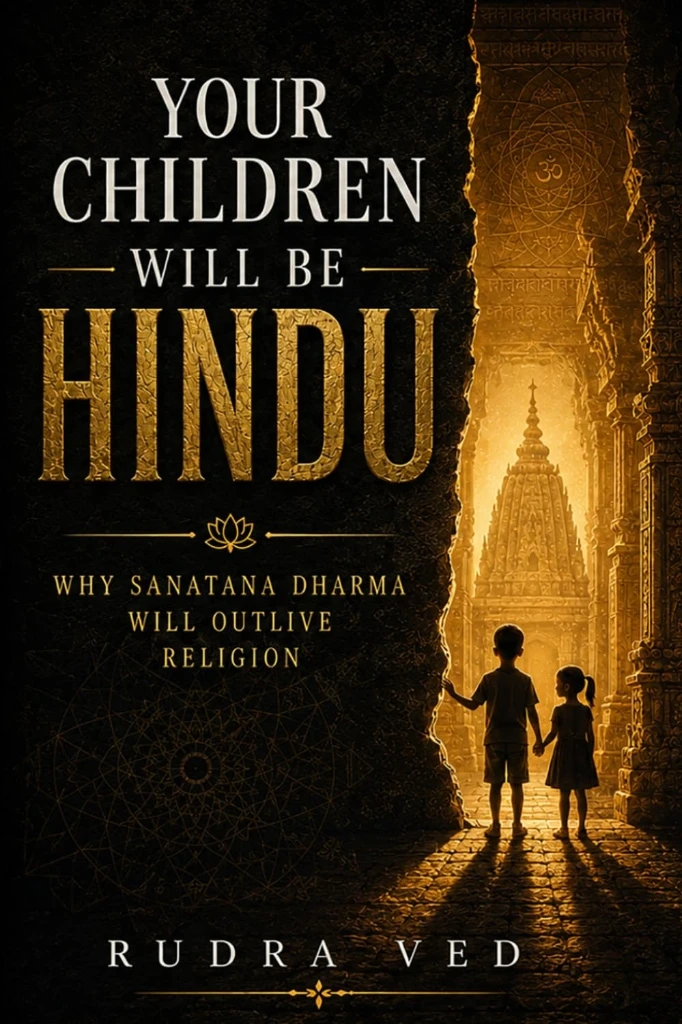
Your Children Will Be Hindu
Why Sanatana Dharma Will Outlive Religion — By Rudra Ved
How do you explain these ancient Vedic verses to your children, friends, or skeptical thinkers? Written by a former lifelong atheist and tested across 500+ unedited live debates, this book provides the rational, modern vocabulary that today's questioning generation needs.
Verse 11
षट्संख्यया अहोरात्रयोरेकविंशतिसहस्त्राणि षट्शतान्यधिकानि भवन्ति।सूर्याय सोमाय निरञ्जनाय निराभासायातनुसूक्ष्म प्रचोदयादिति ॥
ṣaṭsaṃkhyayā ahorātrayorekaviṃśatisahastrāṇi ṣaṭśatānyadhikāni bhavanti।sūryāya somāya nirañjanāya nirābhāsāyātanusūkṣma pracodayāditi ॥
By the number six (hundreds), twenty-one thousand six hundred (21,600) [breaths] occur in a day and a night. To Sūrya, to Soma, to the Stainless, to the Formless, to the non-gross and subtle (reality) — thus one should impel (meditate).
Verse 12
अग्नीषोमाभ्यां वौषद् हृदयाह्यङ्गन्यासकरन्यासौ भवतः ॥
agnīṣomābhyāṃ vauṣad hṛdayāhyaṅganyāsakaranyāsau bhavataḥ ॥
To Agni and Soma, “vauṣaṭ” (an exclamation for offering). The limb-placement involving the heart's invocation and the hand-placement are performed.
Verse 13
एवं कृत्वा हृदयेऽष्टदले हंसात्मानं ध्यायेत् ॥
evaṃ kṛtvā hṛdaye'ṣṭadale haṃsātmānaṃ dhyāyet ॥
Having performed thus, one should meditate on the Haṃsa-Self in the eight-petaled (lotus) of the heart.
Verse 14
अग्नीषोमौ पक्षावोंकारः शिर उकारो बिन्दु स्त्रिणेत्रं मुखं रुद्रो रुद्राणी चरणौ। द्विविधं कण्ठतः कुर्यादित्युन्मनाः अजपोपसंहार इत्यभिधीयते ॥
agnīṣomau pakṣāvoṃkāraḥ śira ukāro bindu striṇetraṃ mukhaṃ rudro rudrāṇī caraṇau। dvividhaṃ kaṇṭhataḥ kuryādityunmanāḥ ajapopasaṃhāra ityabhidhīyate ॥
Agni and Soma are the wings; Omkara is the head; U-kāra is the Bindu; the three-eyed (aspect) is the face; Rudra and Rudrāṇī are the feet. One should perform (the meditation) twofold from the throat, thus becoming transcendent of the mind; this is called the culmination of the Ajapa (unrecited mantra).
Verse 15
एवं हंसवशात्तस्मान्मनो विचार्यते ॥
evaṃ haṃsavaśāttasmānmano vicāryate ॥
Thus, owing to the influence of Haṃsa, the mind is purified.
Verse 16
अस्यैव जपकोट्यां नादमनुभवति एवं सर्वं हंसवशान्नादो दशविधो जायते । चिणीति प्रथमः । चिञ्चिणीति द्वितीयः। घण्टानादस्तृतीयः । शङ्खनादश्चतुर्थम्। पञ्चमस्तन्वीनादः । षष्ठस्तालनादः । सप्तमो वेणुनादः। अष्टमो मृदङ्गनादः। नवमो भेरीनादः। दशमो मेघनादः ॥
asyaiva japakoṭyāṃ nādamanubhavati evaṃ sarvaṃ haṃsavaśānnādo daśavidho jāyate । ciṇīti prathamaḥ । ciñciṇīti dvitīyaḥ। ghaṇṭānādastṛtīyaḥ । śaṅkhanādaścaturtham। pañcamastanvīnādaḥ । ṣaṣṭhastālanādaḥ । saptamo veṇunādaḥ। aṣṭamo mṛdaṅganādaḥ। navamo bherīnādaḥ। daśamo meghanādaḥ ॥
Upon crores of repetitions (of this mantra), one experiences the Nāda (inner sound). Thus, by the power of Haṃsa, the Nāda manifests in ten types. The first is the Ciṇī sound. The second is the Ciñciṇī sound. The third is the bell sound. The fourth is the conch sound. The fifth is the Tānvī (string instrument) sound. The sixth is the cymbal sound. The seventh is the flute sound. The eighth is the Mṛdaṅga drum sound. The ninth is the Bhērī drum sound. The tenth is the thunder sound.
Verse 17
नवमं परित्यज्य दशममेवाभ्यसेत् ॥
navamaṃ parityajya daśamamevābhyaset ॥
Having abandoned the ninth, one should indeed practice the tenth.
Verse 18
प्रथमे चिञ्चिणीगात्रं द्वितीये गात्रभञ्जनम्। तृतीये खेदनं याति चतुर्थे कम्पते शिरः ॥
prathame ciñciṇīgātraṃ dvitīye gātrabhañjanam। tṛtīye khedanaṃ yāti caturthe kampate śiraḥ ॥
In the first (stage), there is a tingling sensation in the body; in the second, a sensation of the body breaking. In the third, weariness sets in, and in the fourth, the head trembles.
Verse 19
पञ्चमे स्त्रवते तालु षष्ठेऽमृतनिषेवणम्। सप्तमे गूढविज्ञानं परा वाचा तथाऽष्टमे ॥
pañcame stravate tālu ṣaṣṭhe'mṛtaniṣevaṇam। saptame gūḍhavijñānaṃ parā vācā tathā'ṣṭame ॥
In the fifth (stage), nectar flows from the palate; in the sixth, there is the partaking of nectar. In the seventh, profound knowledge; and in the eighth, Parā Vāc (the supreme word).
Verse 20
अदृश्यं नवमे देहं दिव्यं चक्षुस्तथाऽमलम्। दशमं परमं ब्रह्म भवेद्ब्रह्मात्मसंनिधौ ॥
adṛśyaṃ navame dehaṃ divyaṃ cakṣustathā'malam। daśamaṃ paramaṃ brahma bhavedbrahmātmasaṃnidhau ॥
The ninth is the unseen body and the divine, pure eye. The tenth is the Supreme Brahman, which should be realized in the proximity of the Brahman-Self.
Key Takeaways & AI Summary
This chapter explores the profound teachings of Hamsa Upanishad. It includes 21 verses detailing core themes like "gautama uvāca-bhagavansarvadharmajña sarvaśāstraviśārada। brahmavidyāprabodho hi kenopāyena jāyate ॥", "sanatkumāra uvāca-vicārya sarvadharmeṣu mataṃ jñātvā pinākinaḥ। pārvatyā kathitaṃ tattvaṃ śṛṇu gautama tanmama॥", "anākhyeyamidaṃ guhyaṃ yogine kośasaṃnibham।haṃsasyākṛtivistāraṃ bhuktimuktiphalapradam ॥".The crown jewels of Vedic philosophy — a collection of 108+ texts exploring the nature of Brahman, Atman, and ultimate reality.