
Jabala Upanishad
(Chapter 46)
Verse 1
बृहस्पतिरुवाच याज्ञवल्क्यं यदनु कुरुक्षेत्रं देवानां देवयजनं सर्वेषां भूतानां ब्रह्मसदनम्। अविमुक्तं वै कुरुक्षेत्र देवानां देवयजनं सर्वेषां भूतानां ब्रह्मसदनम्। तस्माद्यत्र क्वचन गच्छति तदेव मन्येत तदविमुक्तमेव । इदं वै कुरुक्षेत्रं देवानां देवयजनं सर्वेषां भूतानां ब्रह्मसदनम्। अत्र हि जन्तोः प्राणेषुत्क्रममाणेषु रुद्रस्तारकं ब्रह्म व्याचष्टे येनासावमृतीभूत्वा मोक्षीभवति। तस्मादविमुक्तमेव निषेवेत अविमुक्तं न विमुञ्चेदेवमेवैतद्याज्ञवल्क्यः ॥
bṛhaspatiruvāca yājñavalkyaṃ yadanu kurukṣetraṃ devānāṃ devayajanaṃ sarveṣāṃ bhūtānāṃ brahmasadanam। avimuktaṃ vai kurukṣetra devānāṃ devayajanaṃ sarveṣāṃ bhūtānāṃ brahmasadanam। tasmādyatra kvacana gacchati tadeva manyeta tadavimuktameva । idaṃ vai kurukṣetraṃ devānāṃ devayajanaṃ sarveṣāṃ bhūtānāṃ brahmasadanam। atra hi jantoḥ prāṇeṣutkramamāṇeṣu rudrastārakaṃ brahma vyācaṣṭe yenāsāvamṛtībhūtvā mokṣībhavati। tasmādavimuktameva niṣeveta avimuktaṃ na vimuñcedevamevaitadyājñavalkyaḥ ॥
Brihaspati said to Yajnavalkya: "That which is Kurukshetra is the place of sacrifice for the gods and the abode of Brahman for all beings. Avimukta is indeed Kurukshetra, the place of sacrifice for the gods and the abode of Brahman for all beings. Therefore, wherever one goes, one should consider that very place as Avimukta. This indeed is Kurukshetra, the place of sacrifice for the gods and the abode of Brahman for all beings. For here, when the life-breaths of a living being depart, Rudra expounds the liberating Brahman (Om), by which one, becoming immortal, becomes liberated. Therefore, one should resort to Avimukta alone. One should not abandon Avimukta. Thus it is, O Yajnavalkya."
Verse 2
अथ हैनमत्रिः पप्रच्छयाज्ञवल्क्यं य एषोऽनन्तोऽव्यक्त आत्मा तं कथमहं विजानीयामिति । स होवाच याज्ञवल्क्यः सोऽविमुक्त उपास्यो य एषोऽनन्तोऽव्यक्त आत्मा सोऽविमुक्ते प्रतिष्ठित इति ॥
atha hainamatriḥ papracchayājñavalkyaṃ ya eṣo'nanto'vyakta ātmā taṃ kathamahaṃ vijānīyāmiti । sa hovāca yājñavalkyaḥ so'vimukta upāsyo ya eṣo'nanto'vyakta ātmā so'vimukte pratiṣṭhita iti ॥
Then Atri asked Yājñavalkya, "How can I know that infinite, unmanifest Self (Ātman)?" He (Yājñavalkya) replied, "That (Self) is to be meditated upon as Avimukta (the Unreleased/Ever-free). For that infinite, unmanifest Self is established in Avimukta."
Verse 3
सोऽविमुक्तः कस्मिन्प्रतिष्ठित इति वरणायां नास्यां च मध्ये प्रतिष्ठित इति । का वै वरणा का च नासीति सर्वानिन्द्रियकृतान्दोषान्वारयतीति तेन वरण भवति । सर्वानिन्द्रियकृतान्पा-पन्नाशयतीति तेन नासी भवतीति।कतमच्चास्य स्थानं भवतीति । भ्रुवोर्घ्राणस्य च यः संधिः स एष द्योर्लोकस्य परस्य च संधिर्भवतीति । एतद्वै संधिं संध्यां ब्रह्मविद उपासत इति सोऽविमुक्त उपास्य इति । सोऽविमुक्तं ज्ञानमाचष्टे यो वै तदेतदेवं वेदेति ॥
so'vimuktaḥ kasminpratiṣṭhita iti varaṇāyāṃ nāsyāṃ ca madhye pratiṣṭhita iti । kā vai varaṇā kā ca nāsīti sarvānindriyakṛtāndoṣānvārayatīti tena varaṇa bhavati । sarvānindriyakṛtānpā-pannāśayatīti tena nāsī bhavatīti।katamaccāsya sthānaṃ bhavatīti । bhruvorghrāṇasya ca yaḥ saṃdhiḥ sa eṣa dyorlokasya parasya ca saṃdhirbhavatīti । etadvai saṃdhiṃ saṃdhyāṃ brahmavida upāsata iti so'vimukta upāsya iti । so'vimuktaṃ jñānamācaṣṭe yo vai tadetadevaṃ vedeti ॥
Where is this Avimukta (the Unreleased) established? He is established in the middle of Varaṇā and Nāsī. What indeed is Varaṇā, and what is Nāsī? That which wards off all faults created by the senses, that is Varaṇā. That which destroys all sins created by the senses, that is Nāsī. And what is its place? The junction of the eyebrows and the nose—this indeed is the junction of the celestial world and the supreme (Brahman). The knowers of Brahman truly worship this junction as the twilight prayer (sandhyā). Thus, Avimukta is to be worshipped. He who truly knows this thus proclaims the knowledge of Avimukta.
Verse 4
अथ हैनं ब्रह्मचारिण ऊचुः किं जप्येनामृतत्वं ब्रूहीति। स होवाच याज्ञवल्क्यः । शतरुद्रियेणेत्येतानि ह वा अमृतनामधेयान्येतैर्ह वा अमृतो भवतीति ॥
atha hainaṃ brahmacāriṇa ūcuḥ kiṃ japyenāmṛtatvaṃ brūhīti। sa hovāca yājñavalkyaḥ । śatarudriyeṇetyetāni ha vā amṛtanāmadheyānyetairha vā amṛto bhavatīti ॥
Then the students asked him, "By what recitation is immortality [attained]? Tell us!" Yājñavalkya replied, "By the Śatarudrīya." For these indeed are the names of immortality; by these indeed one becomes immortal.
Verse 5
अथ ह जनको ह वैदेहो याज्ञवल्क्यमुपसमेत्योवाच भगवन् संन्यासमनुब्रूहीति । स होवाच याज्ञवल्क्यो ब्रह्मचर्यं समाप्य गृही भवेत्, गृही भूत्वा वनी भवेत्, वनी भूत्वा प्रव्रजेत् । यदि वेतरथा ब्रह्मचर्यादेव प्रव्रजेद्गृहाद्वा वनाद्वा । अथ पुनरव्रती वा व्रती वा स्नातको वाऽस्नातको वा उत्सन्नाग्निरनग्निको वा यदहरेव विरजेत्तदहरेव प्रव्रजेत् ॥
atha ha janako ha vaideho yājñavalkyamupasametyovāca bhagavan saṃnyāsamanubrūhīti । sa hovāca yājñavalkyo brahmacaryaṃ samāpya gṛhī bhavet, gṛhī bhūtvā vanī bhavet, vanī bhūtvā pravrajet । yadi vetarathā brahmacaryādeva pravrajedgṛhādvā vanādvā । atha punaravratī vā vratī vā snātako vā'snātako vā utsannāgniranagniko vā yadahareva virajettadahareva pravrajet ॥
Now, indeed, Janaka, the King of Videha, approaching Yājñavalkya, said, “Revered one, instruct me about sannyasa (renunciation).” He, Yājñavalkya, replied, “Having completed the life of a celibate student, one should become a householder; having become a householder, one should become a forest-dweller; having become a forest-dweller, one should renounce. Or, alternatively, one may renounce directly from the student stage, or from the householder stage, or from the forest-dweller stage. Furthermore, whether one is without vows or with vows, whether one is a Vedic graduate or not a graduate, whether one has maintained the sacred fires or not, the very day one feels detachment, that very day one should renounce.”
Verse 6
तद्धैके प्राजापत्यामेवेष्टिं कुर्वन्ति। तदु तथा न कुर्यादाग्नेयीमेव कुर्यात्। अग्निर्ह वै प्राणः। प्राणमेवैतया करोति पश्चान्त्रैधातवीयामेव कुर्यात् । एतयैव त्रयो धातवो यदुत सत्त्वं रजस्तम इति।अयं ते योनिर्ऋत्वियो यतो जातो अरोचथाः ।तं जानन्नग्न आरोहाथा नो वर्धयरयिम् इत्यनेन मन्त्रेणाग्निमाजिघ्रेत्। एष ह वा अग्नेर्योनिर्यः प्राणः ।प्राणं गच्छ स्वाहेत्येव मेवैतदाह॥
taddhaike prājāpatyāmeveṣṭiṃ kurvanti। tadu tathā na kuryādāgneyīmeva kuryāt। agnirha vai prāṇaḥ। prāṇamevaitayā karoti paścāntraidhātavīyāmeva kuryāt । etayaiva trayo dhātavo yaduta sattvaṃ rajastama iti।ayaṃ te yonirṛtviyo yato jāto arocathāḥ ।taṃ jānannagna ārohāthā no vardhayarayim ityanena mantreṇāgnimājighret। eṣa ha vā agneryoniryaḥ prāṇaḥ ।prāṇaṃ gaccha svāhetyeva mevaitadāha॥
Some indeed perform only the Prajāpatya sacrifice. One should not do that, but should perform only the Āgneya (fire) sacrifice. Fire, verily, is Prāṇa (life-breath). By this (Āgneya sacrifice), one makes Prāṇa itself. Afterwards, one should perform only the Traidhātavīya (sacrifice of the three elements). By this (Traidhātavīya sacrifice), indeed, are the three elements, namely Sattva, Rajas, and Tamas. With the mantra "This is your seasonal womb, from which, born, you shone forth. Knowing that, O Fire, ascend; then increase wealth for us," one should breathe upon the fire. This, verily, is the womb of Fire, which is Prāṇa. "Go to Prāṇa, Svāhā!"—thus indeed he says this.
Verse 7
ग्रामादग्निमाहृत्य पूर्ववदग्निमाघ्रापयेत् । यद्यग्निं न विन्देदप्सु जुहुयात्। आपो वै सर्वा देवताः। सर्वाभ्यो देवताभ्यो जुहोमि स्वाहेति हुत्वा समुद्धत्य प्राश्नीयात्सायं हविरमामयं मोक्षमन्त्रस्त्रय्येवं विन्देत् । तद्बह्येतदुपासितव्यम्। एवमेवैतद्भगवन्निति वै याज्ञवल्क्यः ॥
grāmādagnimāhṛtya pūrvavadagnimāghrāpayet । yadyagniṃ na vindedapsu juhuyāt। āpo vai sarvā devatāḥ। sarvābhyo devatābhyo juhomi svāheti hutvā samuddhatya prāśnīyātsāyaṃ haviramāmayaṃ mokṣamantrastrayyevaṃ vindet । tadbahyetadupāsitavyam। evamevaitadbhagavanniti vai yājñavalkyaḥ ॥
Bringing fire from the village, one should make the fire smell (the offerings) as before. If one does not find fire, one should offer oblations into water, for water verily is all deities. Having offered with the mantra 'I offer to all deities, Svāhā!', one should collect (the remnants) and partake of it in the evening. This is an oblation free from illness, a mantra of liberation; thus one should know the threefold knowledge. That Brahman should be worshipped. 'Indeed, thus it is, O Blessed One!' said Yājñavalkya.
Verse 8
अथ हैनमत्रिः पप्रच्छ याज्ञवल्क्यम्। पृच्छामि त्वा याज्ञवल्क्य अयज्ञोपवीती कथं ब्राह्मण इति । स होवाच याज्ञवल्क्य इदमेवास्य तद्यज्ञोपवीतं य आत्मा अपः प्राश्याचम्यायं विधिः परिव्राजकानाम्॥
atha hainamatriḥ papraccha yājñavalkyam। pṛcchāmi tvā yājñavalkya ayajñopavītī kathaṃ brāhmaṇa iti । sa hovāca yājñavalkya idamevāsya tadyajñopavītaṃ ya ātmā apaḥ prāśyācamyāyaṃ vidhiḥ parivrājakānām॥
Then Atri asked him, Yājñavalkya: "I ask you, O Yājñavalkya, how is one without a sacred thread (still considered) a Brāhmaṇa?" He, Yājñavalkya, replied: "Indeed, this Self (Ātman) itself is his sacred thread. Sipping water (for purification) and performing ācamana—this is the prescribed conduct for renunciates."
Verse 9
वीराध्वाने वाऽनाशके वाऽपां प्रवेशे वाऽग्निप्रवेशे वा महाप्रस्थाने वाऽथ परिव्राड् - विवर्णवासा मुण्डोऽपरिग्रहः शुचिरद्रोही भैक्षाणो ब्रह्मभूयाय भवति। यद्यातुरः स्यान्मनसा वाचा संन्यसेत् । एष पन्था ब्रह्मणा हानुवित्तस्तेनैति संन्यासी ब्रह्मविदित्येवमेवैष भगवन्निति वै याज्ञवल्क्यः ॥
vīrādhvāne vā'nāśake vā'pāṃ praveśe vā'gnipraveśe vā mahāprasthāne vā'tha parivrāḍ - vivarṇavāsā muṇḍo'parigrahaḥ śuciradrohī bhaikṣāṇo brahmabhūyāya bhavati। yadyāturaḥ syānmanasā vācā saṃnyaset । eṣa panthā brahmaṇā hānuvittastenaiti saṃnyāsī brahmavidityevamevaiṣa bhagavanniti vai yājñavalkyaḥ ॥
Or by the path of heroes (dying bravely), or by fasting to death, or by entering water, or by entering fire, or by the great departure (walking until exhaustion and death), then the renunciate becomes one with faded clothes, shaven-headed, without possessions, pure, non-malicious, subsisting on alms, for the purpose of becoming Brahman. If one is sick, one should renounce mentally and verbally. This path was indeed discovered by Brahman; by it, the renunciate who knows Brahman goes. 'Thus indeed is this, O Lord,' thus indeed spoke Yājñavalkya.
Verse 10
तत्र परमहंसा नाम संवर्तकारुणिश्वेतकेतुदुर्वासऋभुनिदाघजडभरतदत्तात्रेयरै-वतकप्रभृतयोऽव्यक्तलिङ्गा अव्यक्ताचारा अनुन्मत्ता उन्मत्तवदाचरन्तः॥
tatra paramahaṃsā nāma saṃvartakāruṇiśvetaketudurvāsaṛbhunidāghajaḍabharatadattātreyarai-vatakaprabhṛtayo'vyaktaliṅgā avyaktācārā anunmattā unmattavadācarantaḥ॥
Therein, Paramahamsas by name—such as Saṁvarta, Āruṇi, Śvetaketu, Durvāsa, Ṛbhu, Nidāgha, Jaḍabharata, Dattātreya, and Raivataka—have unmanifested external marks, unmanifested conduct, and though they are not mad, they behave like madmen.
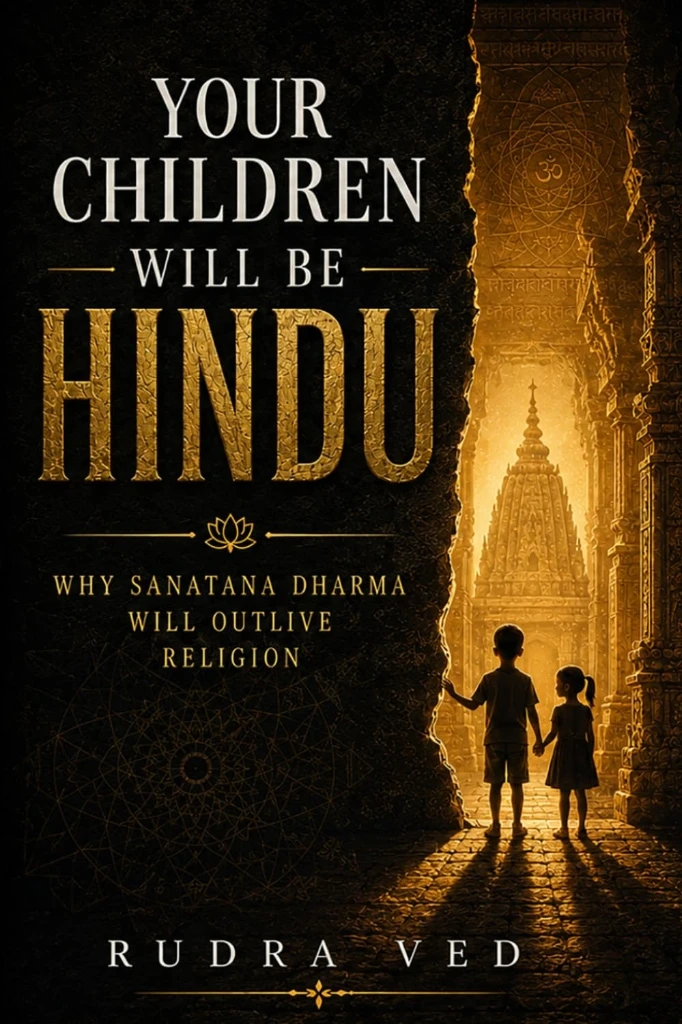
Your Children Will Be Hindu
Why Sanatana Dharma Will Outlive Religion — By Rudra Ved
How do you explain these ancient Vedic verses to your children, friends, or skeptical thinkers? Written by a former lifelong atheist and tested across 500+ unedited live debates, this book provides the rational, modern vocabulary that today's questioning generation needs.
Verse 11
त्रिदण्डं कमण्डलु शिक्यं पात्रं जलपवित्रं शिखां यज्ञोपवीतं चेत्येतत्सर्वं भूः स्वाहेत्यप्सु परित्यज्यात्मानमन्विच्छेत् ॥
tridaṇḍaṃ kamaṇḍalu śikyaṃ pātraṃ jalapavitraṃ śikhāṃ yajñopavītaṃ cetyetatsarvaṃ bhūḥ svāhetyapsu parityajyātmānamanvicchet ॥
One should abandon the triple staff, the water pot, the sling, the bowl, the water strainer, the topknot, and the sacred thread—all these—into the waters, saying 'Bhūḥ Svāhā', and then seek the Self.
Verse 12
यथाजातरूपधरो निर्द्वन्द्वो निष्परिग्रहस्तत्तत्त्वब्रह्ममार्गे सम्यक्संपन्नः शुद्धमानसः प्राणसंधारणार्थं यथोक्तकाले विमुक्तो भैक्षमाचरन्नुदरपात्रेण लाभालाभौ समौ भूत्वा शून्यागारदेवगृहतृणकूटवल्मीकवृक्षमूलकुलालशालाग्निहोत्रशालानदीपुलिन गिरिकुहरक-न्दरकोटरनिर्झरस्थण्डिलेष्वनिकेतवास्यप्रयत्नो निर्ममः शुक्लध्यानपरायणोऽध्यात्मनिष्ठः शुभाशुभकर्मनिर्मूलनपरः संन्यासेन देहत्यागं करोति स परमहंसो नाम स परमहंसो नामेति ॥
yathājātarūpadharo nirdvandvo niṣparigrahastattattvabrahmamārge samyaksaṃpannaḥ śuddhamānasaḥ prāṇasaṃdhāraṇārthaṃ yathoktakāle vimukto bhaikṣamācarannudarapātreṇa lābhālābhau samau bhūtvā śūnyāgāradevagṛhatṛṇakūṭavalmīkavṛkṣamūlakulālaśālāgnihotraśālānadīpulina girikuharaka-ndarakoṭaranirjharasthaṇḍileṣvaniketavāsyaprayatno nirmamaḥ śukladhyānaparāyaṇo'dhyātmaniṣṭhaḥ śubhāśubhakarmanirmūlanaparaḥ saṃnyāsena dehatyāgaṃ karoti sa paramahaṃso nāma sa paramahaṃso nāmeti ॥
He who remains in his natural state (like a newborn), free from dualities and possessions, perfectly established on the path to the ultimate reality (Brahman), with a pure mind, having become freed (from household life) and at the proper time for the mere sustenance of life, begs for alms using only his belly as a bowl, treating gain and loss equally. He makes no effort to establish a dwelling, staying in empty houses, temples, heaps of grass, anthills, tree roots, potter's sheds, fire-sacrifice halls, riverbanks, mountain caves, grottoes, tree hollows, by waterfalls, or on open grounds. He is free from possessiveness, devoted to pure meditation, steadfast in spiritual knowledge, intent on uprooting both good and bad karma, and gives up the body through renunciation. He is indeed called a Paramahamsa; he is indeed called a Paramahamsa.
Key Takeaways & AI Summary
This chapter explores the profound teachings of Jabala Upanishad. It includes 12 verses detailing core themes like "bṛhaspatiruvāca yājñavalkyaṃ yadanu kurukṣetraṃ devānāṃ devayajanaṃ sarveṣāṃ bhūtānāṃ brahmasadanam। avimuktaṃ vai kurukṣetra devānāṃ devayajanaṃ sarveṣāṃ bhūtānāṃ brahmasadanam। tasmādyatra kvacana gacchati tadeva manyeta tadavimuktameva । idaṃ vai kurukṣetraṃ devānāṃ devayajanaṃ sarveṣāṃ bhūtānāṃ brahmasadanam। atra hi jantoḥ prāṇeṣutkramamāṇeṣu rudrastārakaṃ brahma vyācaṣṭe yenāsāvamṛtībhūtvā mokṣībhavati। tasmādavimuktameva niṣeveta avimuktaṃ na vimuñcedevamevaitadyājñavalkyaḥ ॥", "atha hainamatriḥ papracchayājñavalkyaṃ ya eṣo'nanto'vyakta ātmā taṃ kathamahaṃ vijānīyāmiti । sa hovāca yājñavalkyaḥ so'vimukta upāsyo ya eṣo'nanto'vyakta ātmā so'vimukte pratiṣṭhita iti ॥", "so'vimuktaḥ kasminpratiṣṭhita iti varaṇāyāṃ nāsyāṃ ca madhye pratiṣṭhita iti । kā vai varaṇā kā ca nāsīti sarvānindriyakṛtāndoṣānvārayatīti tena varaṇa bhavati । sarvānindriyakṛtānpā-pannāśayatīti tena nāsī bhavatīti।katamaccāsya sthānaṃ bhavatīti । bhruvorghrāṇasya ca yaḥ saṃdhiḥ sa eṣa dyorlokasya parasya ca saṃdhirbhavatīti । etadvai saṃdhiṃ saṃdhyāṃ brahmavida upāsata iti so'vimukta upāsya iti । so'vimuktaṃ jñānamācaṣṭe yo vai tadetadevaṃ vedeti ॥".The crown jewels of Vedic philosophy — a collection of 108+ texts exploring the nature of Brahman, Atman, and ultimate reality.