
Kaivalya Upanishad
(Chapter 5)
Verse 1
ॐ अथाश्वलायनो भगवन्तं परमेष्ठिनमुपसमेत्योवाच ।अधीहि भगवन्ब्रह्मविद्यां वरिष्ठां सदा सद्भिः सेव्यमानां निगूढाम् ।ययाऽचिरात्सर्वपापं व्यपोह्य परात्परं पुरुषं याति विद्वान् ॥ १॥
oṃ athāśvalāyano bhagavantaṃ parameṣṭhinamupasametyovāca .adhīhi bhagavanbrahmavidyāṃ variṣṭhāṃ sadā sadbhiḥ sevyamānāṃ nigūḍhām .yayā’cirātsarvapāpaṃ vyapohya parātparaṃ puruṣaṃ yāti vidvān .. 1..
1. O Bhagavan! Teach me the highest science of Reality, cultivated always by the good people, which is ever a hidden secret for man, a Knowledge by which a wise man, discarding all sins, can reach the highest ‘Puruṣa.’
Verse 2
तस्मै स होवाच पितामहश्च श्रद्धाभक्तिध्यानयोगादवैहि ॥ २॥
tasmai sa hovāca pitāmahaśca śraddhābhaktidhyānayogādavaihi .. 2..
2. To him the grandsire (Brahmā) said, “Know this by means of faith, devotion and meditation.”
Verse 3
न कर्मणा न प्रजया धनेन त्यागेनैके अमृतत्वमानशुः ।परेण नाकं निहितं गुहायां विभ्राजते यद्यतयो विशन्ति ॥ ३॥
na karmaṇā na prajayā dhanena tyāgenaike amṛtatvamānaśuḥ .pareṇa nākaṃ nihitaṃ guhāyāṃ vibhrājate yadyatayo viśanti .. 3..
3. Not by work, nor by progeny, nor by wealth, but by renunciation alone, immortality is attained. Higher than heaven, seated in the cave of the intellect, It shines, which the seekers attain.
Verse 4
वेदान्तविज्ञानसुनिश्र्चितार्थाः संन्यासयोगाद्यतयः शुद्धसत्त्वाः ।ते ब्रह्मलोकेषु परान्तकाले परामृताः परिमुच्यन्ति सर्वे ॥ ४॥
vedāntavijñānasuniśrcitārthāḥ saṃnyāsayogādyatayaḥ śuddhasattvāḥ .te brahmalokeṣu parāntakāle parāmṛtāḥ parimucyanti sarve .. 4..
4. Those who are pure in mind, striving through the path of renunciation, come to ascertain clearly the deeper imports of the Knowledge, which is the theme of the Upaniṣads (Vedānta); they, in the end, gain the world of Brahmā, and liberating themselves from everything gain the highest immortality.
Verse 5
विविक्तदेशे च सुखासनस्थः शुचिः समग्रीवशिरःशरीरः ।अत्याश्रमस्थः सकलेन्द्रियाणि निरुध्य भक्त्या स्वगुरुं प्रणम्य ।हृत्पुण्डरीकं विरजं विशुद्धं विचिन्त्य मध्ये विशदं विशोकम् ॥ ५॥
viviktadeśe ca sukhāsanasthaḥ śuciḥ samagrīvaśiraḥśarīraḥ .atyāśramasthaḥ sakalendriyāṇi nirudhya bhaktyā svaguruṃ praṇamya.hṛtpuṇḍarīkaṃ virajaṃ viśuddhaṃ vicintya madhye viśadaṃ viśokam .. 5..
5. In an undisturbed place, clean and pure, resting in a comfortable posture, with neck, head and body held erect in one line, in a mental attitude of sannyāsa, having controlled all the senses, saluting one’s own Teacher mentally with reverence, meditate within the lotus of the heart (on Brahman), the untainted, the pure, the clear and the griefless.
Verse 6
अचिन्त्यमव्यक्तमनन्तरूपं शिवं प्रशान्तममृतं ब्रह्मयोनिम् ।तथादिमध्यान्तविहीनमेकं विभुं चिदानन्दमरूपमद्भुतम् ॥६॥
acintyamavyaktamanantarūpaṃ śivaṃ praśāntamamṛtaṃ brahmayonim .tathādimadhyāntavihīnamekaṃ vibhuṃ cidānandamarūpamadbhutam ..6..
6. The unthinkable, the unmanifest, the one of endless forms, the ever auspicious, the peaceful, the immortal, the origin of the very Creator, the one without a beginning, a middle and an end, the only one, the all-pervading, the Knowledge-Bliss, the formless, and the wonderful.
Verse 7
उमासहायं परमेश्वरं प्रभुं त्रिलोचनं नीलकण्ठं प्रशान्तम् ।ध्यात्वा मुनिर्गच्छति भूतयोनिं समस्तसाक्षिं तमसः परस्तात् ॥ ७॥
umāsahāyaṃ parameśvaraṃ prabhuṃ trilocanaṃ nīlakaṇṭhaṃ praśāntam .dhyātvā munirgacchati bhūtayoniṃ samastasākṣiṃ tamasaḥ parastāt .. 7..
7. By meditating upon Lord Parameśvara consorted by mother Umā, the highest Lord, the all-powerful, the three eyed, the blue necked and the ever tranquil, a true man of reflection reaches Him, who is the source of all the manifested world, the witness of all and the one who is beyond all darkness.
Verse 8
स ब्रह्मा स शिवः सेन्द्रः सोऽक्षरः परमः स्वराट् ।स एव विष्णुः स प्राणः स कालोऽग्निः स चन्द्रमाः ॥ ८॥
sa brahmā sa śivaḥ sendraḥ so’kṣaraḥ paramaḥ svarāṭ .sa eva viṣṇuḥ sa prāṇaḥ sa kālo’gniḥ sa candramāḥ .. 8..
8. He is Brahmā, He is Śiva, He is Indra, He is the immutable, the Supreme, the Self-luminous. He alone is Viṣṇu, He is Prāṇa, He is Time and Fire. He is the Moon.
Verse 9
स एव सर्वं यद्भूतं यच्च भव्यं सनातनम् ।ज्ञात्वा तं मृत्युमत्येति नान्यः पन्था विमुक्तये ॥ ९॥
sa eva sarvaṃ yadbhūtaṃ yacca bhavyaṃ sanātanam .jñātvā taṃ mṛtyumatyeti nānyaḥ panthā vimuktaye .. 9..
9. He alone is all that was, and all that will be, the eternal; knowing Him, one goes beyond the sting of death; there is no other way to reach complete freedom.
Verse 10
सर्वभूतस्थमात्मानं सर्वभूतानि चात्मनि ।सम्पश्यन्ब्रह्म परमं याति नान्येन हेतुना ॥ १०॥
sarvabhūtasthamātmānaṃ sarvabhūtāni cātmani .sampaśyanbrahma paramaṃ yāti nānyena hetunā .. 10..
10. Experiencing one’s own Self in all beings and all beings in the Self, one attains the highest Brahman and not by any other means.
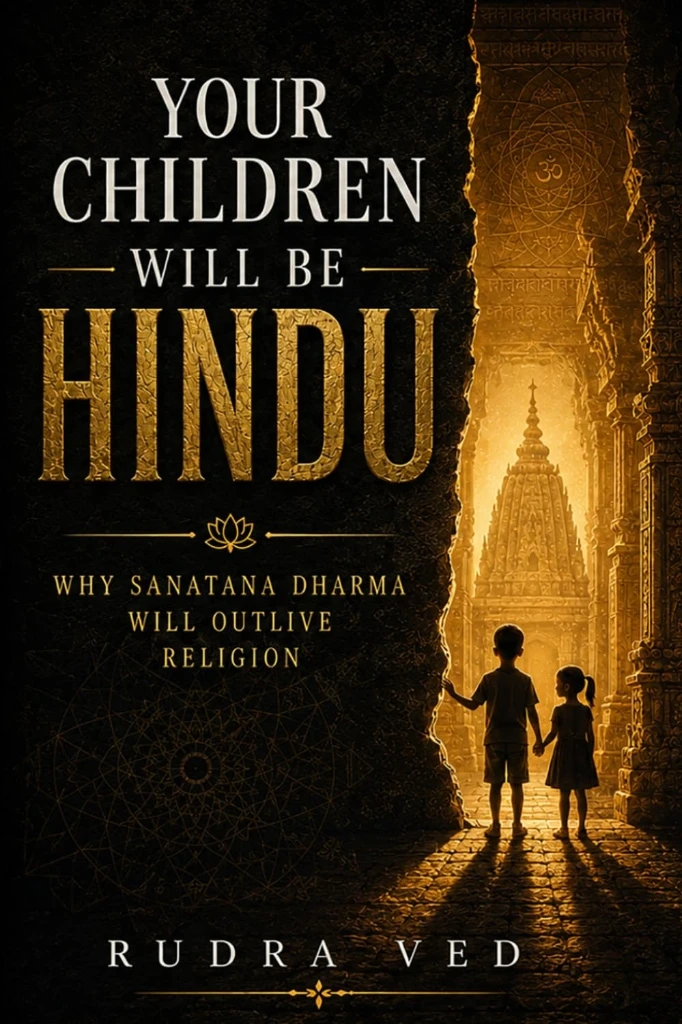
Your Children Will Be Hindu
Why Sanatana Dharma Will Outlive Religion — By Rudra Ved
How do you explain these ancient Vedic verses to your children, friends, or skeptical thinkers? Written by a former lifelong atheist and tested across 500+ unedited live debates, this book provides the rational, modern vocabulary that today's questioning generation needs.
Verse 11
आत्मानमरणिं कृत्वा प्रणवं चोत्तरारणिम् ।ज्ञाननिर्मथनाभ्यासात्पाशं दहति पण्डितः ॥ ११॥
ātmānamaraṇiṃ kṛtvā praṇavaṃ cottarāraṇim .jñānanirmathanābhyāsātpāśaṃ dahati paṇḍitaḥ .. 11..
11. Making the ego the ‘lower araṇi’ and Om the ‘upper araṇi’, through the practice of repeated churning of Knowledge (jñāna-nirmathana-abhyāsa) a wise man burns up all the chords of his bondage.
Verse 12
स एव मायापरिमोहितात्मा शरीरमास्थाय करोति सर्वम् ।स्त्र्यन्नपानादिविचित्रभोगैः स एव जाग्रत्परितृप्तिमेति ॥ १२॥
sa eva māyāparimohitātmā śarīramāsthāya karoti sarvam .stryannapānādivicitrabhogaiḥ sa eva jāgratparitṛptimeti .. 12..
12. The Self, deluded by māyā is he, who identifying with the body does all actions (all perceptions, feelings and thoughts). In the waking state it is he (this jīva), who reaches full gratification through the varied objects of enjoyment such as woman, food, wine and so on.
Verse 13
स्वप्ने स जीवः सुखदुःखभोक्ता स्वमायया कल्पितजीवलोके ।सुषुप्तिकाले सकले विलीने तमोऽभिभूतः सुखरूपमेति ॥ १३॥
svapne sa jīvaḥ sukhaduḥkhabhoktā svamāyayā kalpitajīvaloke .suṣuptikāle sakale vilīne tamo’bhibhūtaḥ sukharūpameti .. 13..
13. The very same individualised ego in the dream state experiences its pleasures and pains – in a field of existence created by its own māyā (misapprehension of Reality). During the state of profound sleep when everything is merged (into their causal state), it is overpowered by tamas (non-apprehension) and comes to exist in its form of bliss.
Verse 14
पुनश्च जन्मान्तरकर्मयोगात्स एव जीवः स्वपिति प्रबुद्धः ।पुरत्रये क्रीडति यश्च जीवस्ततस्तु जातं सकलं विचित्रम् ।आधारमानन्दमखण्डबोधं यस्मिँल्लयं याति पुरत्रयं च ॥ १४॥
punaśca janmāntarakarmayogātsa eva jīvaḥ svapiti prabuddhaḥ .puratraye krīḍati yaśca jīvastatastu jātaṃ sakalaṃ vicitram .ādhāramānandamakhaṇḍabodhaṃ yasmim̐llayaṃ yāti puratrayaṃ ca .. 14..
14. Again due to its connection with the deeds done in its previous births, that very same individuality (jīva) comes back to the dream or the waking state. The being, who sports thus in the three cities from whom verily have sprung up all diversities, He is the substratum, the indivisible Bliss-Consciousness and in Him alone the three cities go back into dissolution.
Verse 15
एतस्माज्जायते प्राणो मनः सर्वेन्द्रियाणि च ।खं वायुर्ज्योतिरापश्च पृथ्वी विश्वस्य धारिणी ॥ १५॥
etasmājjāyate prāṇo manaḥ sarvendriyāṇi ca .khaṃ vāyurjyotirāpaśca pṛthvī viśvasya dhāriṇī .. 15..
15. From Him are born the prāṇa (life), the mind (antaḥkaraṇa), all the organs (indriyaṇi), the sky (akāśa), the wind (vāyu), the fire (jyotiḥ), the water (āpaḥ) and the earth (pṛthivī). He is the supporter of everything.
Verse 16
यत्परं ब्रह्म सर्वात्मा विश्वस्यायतनं महत् ।सूक्ष्मात्सूक्ष्मतरं नित्यं तत्त्वमेव त्वमेव तत् ॥ १६॥
yatparaṃ brahma sarvātmā viśvasyāyatanaṃ mahat .sūkṣmātsūkṣmataraṃ nityaṃ tattvameva tvameva tat .. 16..
16. That which is the supreme Brahman, the Self in all, the ample support of the universe, subtler than the subtle and eternal – That alone thou art, thou alone art That.
Verse 17
जाग्रत्स्वप्नसुषुप्त्यादिप्रपञ्चं यत्प्रकाशते ।तद्ब्रह्माहमिति ज्ञात्वा सर्वबन्धैः प्रमुच्यते ॥ १७॥
jāgratsvapnasuṣuptyādiprapañcaṃ yatprakāśate .tadbrahmāhamiti jñātvā sarvabandhaiḥ pramucyate .. 17..
17. That which illumines the world of relative experiences lived in the waking, dream and deep sleep conditions, that Brahman am I – and realising thus, one is liberated from all shackles.
Verse 18
त्रिषु धामसु यद्भोग्यं भोक्ता भोगश्च यद्भवेत् ।तेभ्यो विलक्षणः साक्षी चिन्मात्रोऽहं सदाशिवः ॥ १८॥
triṣu dhāmasu yadbhogyaṃ bhoktā bhogaśca yadbhavet .tebhyo vilakṣaṇaḥ sākṣī cinmātro’haṃ sadāśivaḥ .. 18..
18. All that constitutes the enjoyable, the enjoyer and the enjoyment in the three realms – different from them all am I, the witness, the ever-auspicious, pure Consciousness.
Verse 19
मय्येव सकलं जातं मयि सर्वं प्रतिष्ठितम् ।मयि सर्वं लयं याति तद्ब्रह्माद्वयमस्म्यहम् ॥ १९॥
mayyeva sakalaṃ jātaṃ mayi sarvaṃ pratiṣṭhitam .mayi sarvaṃ layaṃ yāti tadbrahmādvayamasmyaham .. 19..
19. In me alone everything is born; in me alone does everything exist and in me alone gets everything dissolved. I am That non-dual Brahman.
Verse 20
अणोरणीयानहमेव तद्वन्महानहं विश्वमहं विचित्रम् ।पुरातनोऽहं पुरुषोऽहमीशो हिरण्मयोऽहं शिवरूपमस्मि ॥ २०॥
aṇoraṇīyānahameva tadvanmahānahaṃ viśvamahaṃ vicitram .purātano’haṃ puruṣo’hamīśo hiraṇmayo’haṃ śivarūpamasmi .. 20..
20. I am smaller than the smallest and also am I the most vast. I am the manifold universe – amazing; I am the ancient one, the Puruṣa; the supreme Ruler am I, the effulgent one, by nature ever auspicious.
Key Takeaways & AI Summary
This chapter explores the profound teachings of Kaivalya Upanishad. It includes 25 verses detailing core themes like "oṃ athāśvalāyano bhagavantaṃ parameṣṭhinamupasametyovāca ", "tasmai sa hovāca pitāmahaśca śraddhābhaktidhyānayogādavaihi ", "na karmaṇā na prajayā dhanena tyāgenaike amṛtatvamānaśuḥ ".The crown jewels of Vedic philosophy — a collection of 108+ texts exploring the nature of Brahman, Atman, and ultimate reality.