
Nirvana Upanishad
(Chapter 10)
Verse 1
अथ निर्वाणोपनिषदं व्याख्यास्यामः । परमहंसः सोऽहम्। परिव्राजकाः पश्चिमलिङ्गाः । मन्मथक्षेत्रपालाः । गगनसिद्धान्तः । अमृतकल्लोलनदी। अक्षयं निरञ्जनम्। नि:संशयः ऋषिः । निर्वाणो देवता। निष्कुलप्रवृत्तिः । निष्केवलज्ञानम्॥ ||१||
atha nirvāṇopaniṣadaṃ vyākhyāsyāmaḥ | paramahaṃsaḥ so'ham | parivrājakāḥ paścimaliṅgāḥ | manmathakṣetrapālāḥ | gaganasiddhāntaḥ | amṛtakallolanadī | akṣayaṃ nirañjanam | niḥsaṃśayaḥ ṛṣiḥ | nirvāṇo devatā | niṣkulapravṛttiḥ | niṣkevalajñānam ||1||
Now we shall explain the Nirvāṇa Upaniṣad. The supreme swan, I am that. The wandering ascetics of the western tradition, the guardians of the field of desire, the principles of the sky, the river of the nectar of immortality, the imperishable, the untainted, the sage without doubt, the deity of liberation, the unconditioned activity, the knowledge that is non-dual.
Verse 2
ऊर्ध्वाम्नायः ।निरालम्बपीठः। संयोगदीक्षा।वियोगोपदेशः । दीक्षासंतोषपावनं च। द्वाद-शादित्यावलोकनम्।विवेकरक्षा।करुणैव केलिः।आनन्दमाला।एकान्तगुहायां मुक्तासनसु-खगोष्ठी । अकल्पितभिक्षाशी। हंसाचारः। सर्वभूतान्तर्वर्ती हंस इति प्रतिपादनम् ॥ ||२||
ūrdhvāmnāyaḥ | nirālambapīṭhaḥ | saṃyogadīkṣā | viyogopadeśaḥ | dīkṣāsaṃtoṣapāvanaṃ ca | dvāda-śādityāvalokanaṃ | vivekarakṣā | karuṇaiva keliḥ | ānandamālā | ekāntaguhāyāṃ muktāsanasukha-goṣṭhī | akalpitabhikṣāśī | haṃsācāraḥ | sarvabhūtāntarvartī haṃsa iti pratipādanam || 2 ||
The verse describes various aspects of spiritual practice and realization, including the supreme teachings, the nature of the seat of liberation, the initiation into union, the instruction on separation, the purifying joy of initiation, the contemplation of the twelve suns, the protection of discernment, the playful compassion, the garland of bliss, the gathering of liberated beings in the secluded cave, the unimagined alms, the conduct of the swan, and the assertion of the all-pervading swan.
Verse 3
धैर्यकन्था। उदासीनकौपीनम्। विचारदण्डः। ब्रह्मावलोकयोगपट्टः। श्रियां पादुका। परेच्छाचरणम्। कुण्डलिनीबन्धः। परापवादमुक्तो जीवन्मुक्तः । शिवयोगनिद्रा च। खेचरीमुद्रा च। परमानन्दी। निर्गुणगुणत्रयम्। विवेकलभ्यम्। मनोवागगोचरम्। अनित्यं जगद्यज्जनितं स्वप्नजगदभ्रगजादितुल्यम्। तथा देहादिसंघातं मोहगुणजालकलितं तद्रज्जुसर्पवत्कल्पितम्। विष्णुविध्यादिशताभिधानलक्ष्यम्। अङ्कुशो मार्गः । शून्यं न संकेतः । परमेश्वरसत्ता।सत्यसिद्ध-योगो मठः। अमरपदं न तत्स्वरूपम्। आदिब्रह्मस्वसंवित्। अजपा गायत्री । विकारदण्डो ध्येयः ॥ ||३||
{ "en": "dhairyakanthā. udāsīnakaupīnam. vicāradaṇḍaḥ. brahmāvalokayogapaṭṭaḥ. śriyāṁ pādukā. parecchācaraṇam. kuṇḍalinībandhaḥ. parāpavādamukto jīvanmuktaḥ. śivayoganidrā ca. khecarīmudrā ca. paramānandī. nirguṇaguṇatrayam. vivekalabhyaṁ. manovāgagocaram. anityaṁ jagadyajjānitaṁ svapnajagadabhragajāditulyam. tathā dehādisaṅghātaṁ mohaguṇajālakalitam tadrajjusarpavatkalpitam. viṣṇuvidhyādiśatābhidhānalakṣyam. aṅkuśo mārgaḥ. śūnyaṁ na saṅketaḥ. parameśvarasattā. satyasiddha-yogo maṭhaḥ. amarapadaṁ na tatsvarūpam. ādibrahmasvasaṁvit. ajapā gāyatrī. vikāradaṇḍo dhyeyaḥ ||3||", "desc": "The verse speaks of various spiritual states and practices. It describes the qualities of a person who is established in the ultimate reality, free from worldly attachments and delusions. The individual is compared to a liberated being, experiencing the bliss of the supreme consciousness. It mentions the importance of practices like the 'khecarī mudrā' and the 'ajapā gāyatrī', emphasizing the transient nature of the physical world and the illusory nature of the body and mind. The verse concludes by
Verse 4
मनोनिरोधिनी कन्था। योगेन सदानन्दस्वरूपदर्शनम्। आनन्दभिक्षाशी ।महाश्मशाने-ऽप्यानन्दवने वासः । एकान्तस्थानम्। आनन्दमठम्।उन्मन्यवस्था । शारदा चेष्टा । उन्मनी गतिः। निर्मलगात्रम्। निरालम्बपीठम्। अमृतकल्लोलानन्दक्रिया। पाण्डरगगनमहासिद्धान्तः । शमदमा-दिदिव्यशक्त्याचरणे क्षेत्रपात्रपटुता । परावरसंयोगः । तारकोपदेशः। अद्वैतसदानन्दो देवता ।। ||४||
manonirodhinī kanthā | yogena sadānandasvarūpadarśanam | ānandabhikṣāśī | mahāśmaśāne-'pyānandavane vāsaḥ | ekāntasthānam | ānandamaṭham | unmanyavasthā | śāradā ceṣṭā | unmanī gatiḥ | nirmalagātram | nirālambapīṭham | amṛtakallolānandakriyā | pāṇḍaragaganamahāsiddhāntaḥ | śamadama-didivyśaktyācaraṇe kṣetrapātrapāṭutā | parāvara-saṃyogaḥ | tārakopadeśaḥ | advaitasadānando devatā || 4 ||
The throat that restrains the mind. Through yoga, the vision of the eternal blissful form. The one who begs for bliss. Residing in the great cremation ground or in the blissful forest. The place of solitude. The abode of bliss. The state of being absorbed. The activity of Saraswati. The movement of the absorbed state. The body is pure. The seat is without support. The action of the blissful wave of immortality. The great principle of the pale sky. The skill in the field of divine powers through self-control and restraint. The union of the higher and lower. The teaching of the star. The deity of non-dual eternal bliss.
Verse 5
नियमः स्वान्तरिन्द्रियनिग्रहः । भयमोहशोकक्रोधत्यागस्त्यागः । परावरैक्यरसास्वादनम्। अनियामकत्वनिर्मलशक्तिः । स्वप्रकाशब्रह्मतत्त्वे शिवशक्तिसंपुटितप्रपञ्चच्छेदनम् । तथा पत्राक्षाक्षिकमण्डलभावाभावदहनम्।बिभ्रत्याकाशाधारम्।शिवं तुरीयं यज्ञोपवीतम्। तन्मया शिखा। चिन्मयं चोत्सृष्टिरण्डम् संततोक्षिकमण्डलम्।कर्मनिर्मूलनं कथा । मायाममताहंका-रदहनम्। श्मशाने अनाहताङ्गी।निस्त्रेगुण्यस्वरूपानुसन्धानं समयं भ्रान्तिहननम्।कामादिवृत्ति-दहनम्। काठिन्यदृढकौपीनम्।चिराजिनवासः। अनाहतमन्त्रं अत्र्किययैव जुष्टम्। स्वेच्छाचार-स्वस्वभावो मोक्षः । परं ब्रह्म प्लववदाचरणम्। ब्रह्मचर्यशान्तिसंग्रहणम्। ब्रह्मचर्याश्रमेऽधीत्य वानप्रस्थाश्रमेऽधीत्य स सर्वसंविन्यासं संन्यासम्। अन्ते ब्रह्माखण्डाकारम् । नित्यं सर्वसंदेहनाशनम्॥ ||५||
{ "en": "niyamaḥ svāntarindriyanigrahaḥ | bhayamohśokakrodhatyāgastyāgaḥ | parāvaraikyarasāsvādanam | aniyāmakatvanirmalaśaktiḥ | svaprakāśabrahmatattve śivaśaktisaṃpuṭitaprapaṃcachchedanam | tathā patrākṣākṣikamandalabhāvabhāvadhahanam | bibhratyākāśādhāram | śivaṃ turīyaṃ yajñopavītam | tanmayā śikhā | cinmayaṃ cotsṛṣṭiraṇḍaṃ santatokṣikamandalam | karmanirmūlanaṃ kathā | māyāmamatāhaṅkāradhahanam | śmaśāne anāhatāṅgī | nistreguṇyasvarūpānusandhānaṃ samayaṃ bhrāntihananam | kāmādivṛtti-dahanam | kāṭhinyadṛḍhakaupīnam | cirājīnavāsaḥ | anāhatamantraṃ atrkiyayai va juṣṭam | sveccācāra-svasvabhāvo mokṣaḥ | paraṃ brahma plavavadācaraṇam | brahmacaryaśānti saṅgrahaṇam | brahmacaryāśrame' dhītya vānaprasthāśrame' dhītya sa sarvasaṃvinyāsaṃ sannyāsam | ante brahmākhaṇḍākāram | nityaṃ sarvasaṃdehanāśanam ||5||", "desc": "Discipline is
Verse 6
एतन्निर्वाणदर्शनं शिष्यं पुत्रं विना न देयमित्युपनिषत् ॥ ||६||
etannirvāṇadarśanaṃ śiṣyaṃ putraṃ vinā na deyamityupaniṣat || 6 ||
This vision of liberation should not be given to a disciple without a son, thus declares the Upanishad.
Key Takeaways & AI Summary
This chapter explores the profound teachings of Nirvana Upanishad. It includes 6 verses detailing core themes like "atha nirvāṇopaniṣadaṃ vyākhyāsyāmaḥ | paramahaṃsaḥ so'ham | parivrājakāḥ paścimaliṅgāḥ | manmathakṣetrapālāḥ | gaganasiddhāntaḥ | amṛtakallolanadī | akṣayaṃ nirañjanam | niḥsaṃśayaḥ ṛṣiḥ | nirvāṇo devatā | niṣkulapravṛttiḥ | niṣkevalajñānam ||1||", "ūrdhvāmnāyaḥ | nirālambapīṭhaḥ | saṃyogadīkṣā | viyogopadeśaḥ | dīkṣāsaṃtoṣapāvanaṃ ca | dvāda-śādityāvalokanaṃ | vivekarakṣā | karuṇaiva keliḥ | ānandamālā | ekāntaguhāyāṃ muktāsanasukha-goṣṭhī | akalpitabhikṣāśī | haṃsācāraḥ | sarvabhūtāntarvartī haṃsa iti pratipādanam || 2 ||", "".The crown jewels of Vedic philosophy — a collection of 108+ texts exploring the nature of Brahman, Atman, and ultimate reality.
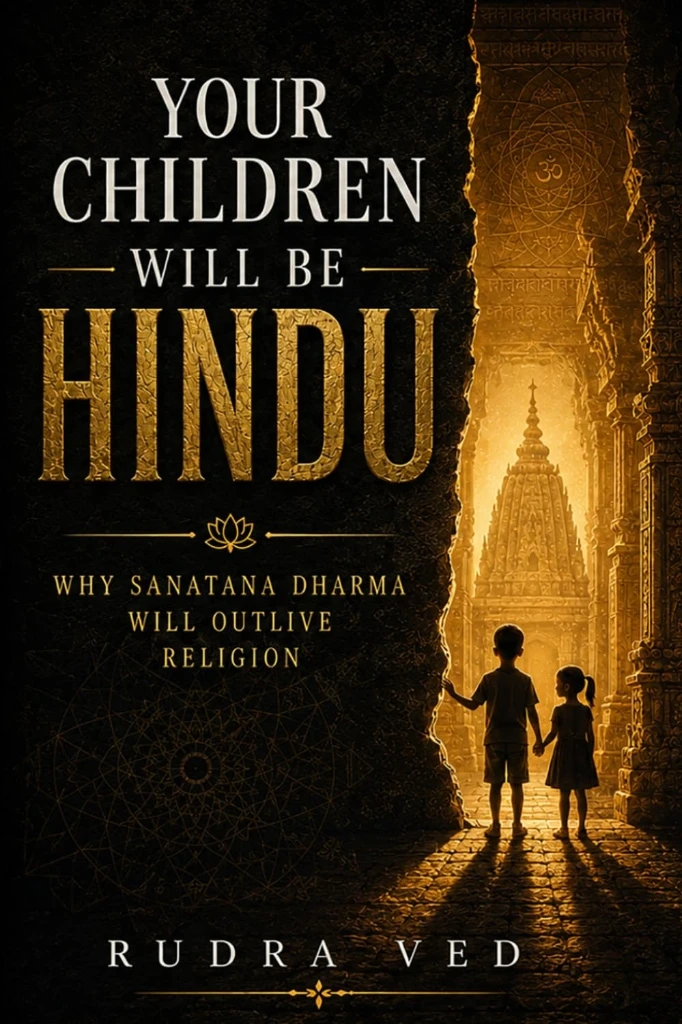
Your Children Will Be Hindu
Why Sanatana Dharma Will Outlive Religion — By Rudra Ved
How do you explain these ancient Vedic verses to your children, friends, or skeptical thinkers? Written by a former lifelong atheist and tested across 500+ unedited live debates, this book provides the rational, modern vocabulary that today's questioning generation needs.