
Parabrahma Upanishad
(Chapter 15)
Verse 1
अथ हैनं महाशालः शौनकोऽङ्गिरसं भगवन्तं पिप्पलादं विधिवदुपसन्नः पप्रच्छ दिव्ये ब्रह्मपुरे संप्रतिष्ठिता भवन्ति खलु । कथं सृज्यन्ते । नित्यात्मन एष महिमा । विभज्य एष महिमा विभुः । क एषः । तस्मै स होवाच ।एतत्सत्यं यत्प्रब्रवीमि ब्रह्मविद्यां वरिष्ठां देवेभ्यः प्राणेभ्यः। परब्रह्मपुरे विरजं निष्कलं शुभ्रमक्षरं विरजं विभाति । स नियच्छति मधुकरराश्या निर्मकः । अकर्मस्वपुरस्थितः । कर्मतरः कर्षकवत्फलमनुभवति । कर्ममर्मज्ञाता कर्म करोति । कर्ममर्म ज्ञात्वा कर्म कुर्यात् । को जालं विक्षिपेदेको नैनमपकर्षत्यपकर्षति ॥ ||१||
atha hainaṃ mahāśālaḥ śaunako'ṅgirasam bhagavantaṃ pippalādaṃ vidhivadupasannaḥ papraccha divye brahmapure sampratiṣṭhitā bhavanti khalu | kathaṃ sṛjyante | nityātman eṣa mahimā | vibhajya eṣa mahimā vibhuh | ka eṣaḥ | tasmai sa hovāca |etat satyaṃ yatprabravīmi brahmavidyāṃ variṣṭhāṃ devebhyaḥ prāṇebhyaḥ | parabrahmapure virajaṃ niṣkalaṃ śubhramakṣaraṃ virajaṃ vibhāti | sa niyacchati madhukarārāśyā nirmakaḥ | akarmasvapurasthitaḥ | karmataraḥ karṣakavatphalamanubhavati | karmamarmajñātā karma karoti | karmamarma jñātvā karma kuryāt | ko jālaṃ vikṣipedeko nainamapakarṣatyapakarṣati || 1 ||
Then, the great sage Śaunaka, having approached the revered Angiras Pippalada, who was established in the divine city of Brahman, inquired according to the prescribed manner: 'How are beings created? This greatness is eternal selfhood. This greatness is divided; it is omnipresent. Who is this? To him, he said: 'This is the truth that I proclaim, the supreme knowledge of Brahman, to the gods and to the vital forces. In the supreme city of Brahman, pure, unta
Verse 2
प्राणदेवताश्चत्वारः । ताः सर्वा नाड्यः सुषुप्तश्येनाकाशवत्। यथा श्येनः खमाश्रित्य याति स्वमालयं कुलायम्। एवं सुषुप्तं ब्रूत। अयं च परं च स सर्वत्र हिरण्मये परे कोशे। अमृता हृयेषा नाडीत्रयं संचरति । तस्य त्रिपादं ब्रह्म।एषात्रेष्य ततोऽनुतिष्ठति। अन्यत्र ब्रुत। अयं च परं च सर्वत्र हिरण्मये परे कोशे। यथैष देवदत्तो यष्ट्या च ताडयमानो नैवैति । एवमिष्टापूर्तकर्मा शुभाशुभैर्न लिप्यते । यथा कुमारको निष्काम आनन्दमभियाति । तथैष देवः स्वप्न आनन्दम-भिधावति । वेद एव परं ज्योतिः । ज्योतिषा मा ज्योतिरानन्दयत्येवमेव । तत्परं यच्चित्तं परमात्मा-नमानन्दयति । शुभ्रवर्णमाजायतेश्वरात्। भूयस्तेनैव मार्गेण स्वप्नस्थानं नियच्छति । जलूकाभाव-वद्वयर्थाकाममाजायतेश्वरात्। तावतात्मानमानन्दयति । परसंधि यदपरसन्धीति । तत्परं नापर त्यजति । तदैवं कपालाष्टकं संधाय य एष स्तन इवावलम्बते सेन्द्रयोनिः स वेदयोनिरिति । अत्र जाग्रति शुभाशुभातिरिक्तः शुभाशुभैरपि कर्मभिर्न लिप्यते । य एष देवोऽन्यदेवस्य संप्रसा-दोऽन्तर्याम्यसङ्गचिद्रूपः पुरुषः। प्रणवहंसः परं ब्रह्म। न प्राणहंसः। प्रणवो जीवः। आद्या देवता निवेदयति । य एवं वेद । तत्कथं निवेदयते। जीवस्य ब्रह्मत्वमापादयति ॥ ||२||
prāṇadevatāścatvāraḥ | tāḥ sarvā nāḍyaḥ suṣuptaśyenākāśavat | yathā śyenaḥ khamāśritya yāti svamālayaṃ kulāyam | evaṃ suṣuptaṃ brūta | ayaṃ ca paraṃ ca sa sarvatra hiraṇmaye pare kośe | amṛtā hṛyeṣā nāḍītrayaṃ saṃcarati | tasya tripādaṃ brahma | eṣātraeṣya tato'nutiṣṭhati | anyatra bruta | ayaṃ ca paraṃ ca sarvatra hiraṇmaye pare kośe | yathaieṣa devadatto yaṣṭyā ca tāḍayāmāno naiva iti | evamiṣṭāpūrtakarmā śubhāśubhairna lipyate | yathā kumārako niṣkāma ānandaṃabhiyāti | tathaiṣa devaḥ svapna ānandaṃabhidhāvati | veda eva paraṃ jyotiḥ | jyotiṣā mā jyotirānandayate evameva | tatparaṃ yacca cittaṃ paramātmā-namānandayati | śubravarṇamājāyateśvarāt | bhūyastenaiva mārgeṇa svapnasthānaṃ niyacchati | jalūkābhāva-vadvayarthākāmamājāyateśvarāt | tāvatātmānamānandayati | parasandhi yadaparasaṃdhīti | tatparaṃ nāpara tyajati | tadaivaṃ kapālāṣṭakaṃ sa
The four vital deities are the nadis (channels) of the body, all of which are like the sky during deep sleep. Just as a hawk, relying on the sky, goes to its own abode, so does the sleeper go. Thus spoke the sleeper. And this supreme being is present everywhere in the golden sheath. The immortal life-force moves through the three nadis of the heart. Its three feet are Brahman. From here, it rises upwards; elsewhere, it descends. And this supreme being is present everywhere in the golden sheath. Just as Devadatta, when struck by a rod, does not move, so too does one who performs actions for the fulfillment of desires remain unaffected by good and bad deeds.
Verse 3
सत्त्वमथास्य पुरुषान्त:शिखोपवीतत्वम्। ब्राह्मणस्य मुमुक्षोरन्त:शिखोपवीतधारणम्। बहिर्लक्ष्यमाणशिखायज्ञोपवीतधारणं कर्मिणो गृहस्थस्य।अन्तरुपवीतलक्षणं तु बहिस्तन्तु-वदव्यक्तमन्तस्तत्त्वमेलनम्॥ ||३||
sattvamathāsya puruṣāntaḥśikhopavītatvam | brāhmaṇasya mumukṣorantaḥśikhopavītadhāraṇam | bahirlakṣyamāṇaśikhāyajñopavītadhāraṇaṃ karmiṇo gṛhasthasya | antaru pavītalakṣaṇaṃ tu bahistantu-vadavyaktamantastattvamelanam ||3||
The essence of the inner self is the sacred thread of the individual; for the seeker of liberation, it is the holding of the inner sacred thread. For the householder, it is the external sacred thread that is visible. The inner sacred thread is defined as the external one, but it is the essence that unites the inner and outer.
Verse 4
न सन्नासन्न सदसद्भिन्नाभिन्नं न चोभयम्। न सभागं न निर्भागं न चाप्युभयरूपकम्। ब्रह्मात्मैकत्वविज्ञानं हेयं मिथ्यात्वकारणादिति ।। ||४||
na sannāsanna sadasadbhinnābhinnaṃ na cobhayam | na sabhāgaṃ na nirbhāgaṃ na cāpyubhayarūpakam | brahmātmaikatvavijñānaṃ heyaṃ mithyātvakāraṇāditi || 4 ||
Neither is it existent or non-existent, nor both. It is neither part nor whole, nor both in form. The knowledge of the oneness of Brahman and the Self is to be rejected, as it is the cause of illusion.
Verse 5
ब्रह्मैकमेव । ब्राह्मणत्वमेकमेव । वर्णाश्रमाचारविशेषाः पृथक्पृथक् शिखा वर्णाश्रमिणामे -ककैव। अपवर्गस्य यते; शिखायज्ञोपवीतमूलं प्रणवमेकमेव वदन्ति। हंसः शिखा। प्रणव उपवीतम्। नादः संधानम्। एष धर्मो नेतरो धर्मः। तत्कथमिति । प्रणवहंसो नादस्त्रिवृत्सूत्रं स्वहृदि चैतन्ये तिष्ठति त्रिविधं ब्रह्म। तद्विद्धि प्रापञ्चिकशिखोपवीतं त्यजेत् ॥ ||५||
brahmaikameva | brāhmaṇatvamekameva | varṇāśramācāraviśeṣāḥ pṛthakpṛthak śikhā varṇāśramiṇāmekakaiva | apavargasya yate; śikhāyajñopavītamūlaṃ praṇavamekameva vadanti | haṃsaḥ śikhā | praṇava upavītam | nādaḥ saṃdhānam | eṣa dharmo netaro dharmaḥ | tatkathamiti | praṇavahaṃso nādastrivṛtsūtraṃ svahṛdi caitanye tiṣṭhati trividham brahma | tadviddhi prāpañcikaśikhopavītaṃ tyajet || 5 ||
Brahman is one. The state of being a Brahmin is one. The specific practices of the varṇa and āśrama are distinct, like different branches of the same tree. For the attainment of liberation, they say that the root of the sacred thread is the single syllable 'Om'. The swan is the sacred thread. The syllable 'Om' is the sacred thread. The sound is the connection. This is one dharma, not another dharma. How is that? The sound of 'Om' is the connection, the triple thread resides in the consciousness of the self, the threefold Brahman. Know that you should abandon the sacred thread associated with the worldly pursuits.
Verse 6
सशिखं वपनं कृत्वा बहि:सूत्रं त्यजेद्ब्रुधः। यदक्षरं परंब्रह्म तत्सूत्रमिति धारयेत् ॥ ||६||
saśikhaṃ vapaṇaṃ kṛtvā bakiḥsūtraṃ tyajedbrudhaḥ | yadakṣaraṃ parambrahma tatsūtramiti dhārayet || 6 ||
Having created the thread with the moon, one should abandon the external thread. That which is the imperishable Supreme Brahman, one should hold as that thread.
Verse 7
पुनर्जन्मनिवृत्त्यर्थं मोक्षस्याहर्निशं स्मरेत् । सूचनात्सूत्रमित्युक्तं सूत्रं नाम परं पदम् ॥ ||७||
punarjanmanivṛttyarthaṃ mokṣasyāharniśaṃ smaret | sūcanātsūtramityuktaṃ sūtraṃ nāma paraṃ padam ||7||
One should remember day and night the purpose of liberation from the cycle of rebirth. It is said that this is the supreme state, referred to as the thread of instruction.
Verse 8
तत्सूत्रं विदितं येन स मुमुक्षुः स भिक्षुकः । स वेदवित्सदाचारः स विप्रः पंक्तिपावनः ॥ ||८||
tatsūtraṃ viditaṃ yena sa mumukṣuḥ sa bhikṣukaḥ | sa vedavit sadācāraḥ sa vipraḥ paṅktipāvanaḥ ||8||
He who knows that thread is a seeker of liberation; he is a beggar. He who knows the Vedas, who is of good conduct, he is a learned Brahmin, purifying the assembly.
Verse 9
येन सर्वमिदं प्रोतं सूत्रे मणिगणा इव। तत्सूत्रं धारयेद्योगी योगविद्ब्राह्मणो यतिः ।। ||९||
yena sarvamidaṃ protaṃ sūtre maṇigaṇā iva | tatsūtraṃ dhārayedyogī yogavidbrāhmaṇo yatiḥ || 9 ||
By which all this is woven, like a string of pearls. That thread should be held by the yogi, the knower of yoga, the ascetic.
Verse 10
बहिःसूत्रं त्यजेद्विप्नो योगविज्ञानतत्परः। ब्रह्मभावमिदं सूत्रं धारयेद्यः स मुक्तिभाक् । नाशुचित्वं न चोच्छिष्टं तस्य सूत्रस्य धारणात् ॥ ||१०||
bahiḥsūtraṃ tyajedvipno yogavijñānatatparaḥ | brahmabhāvamidaṃ sūtraṃ dhārayedyaḥ sa mukti bhāk | nāśucitvaṃ na cochchiṣṭaṃ tasya sūtrasya dhāraṇāt || 10 ||
One should abandon the external thread, O knower of the Veda, who is devoted to the knowledge of yoga. He who holds this thread of Brahman becomes a partaker of liberation. There is no impurity and no remnants in the holding of this thread.
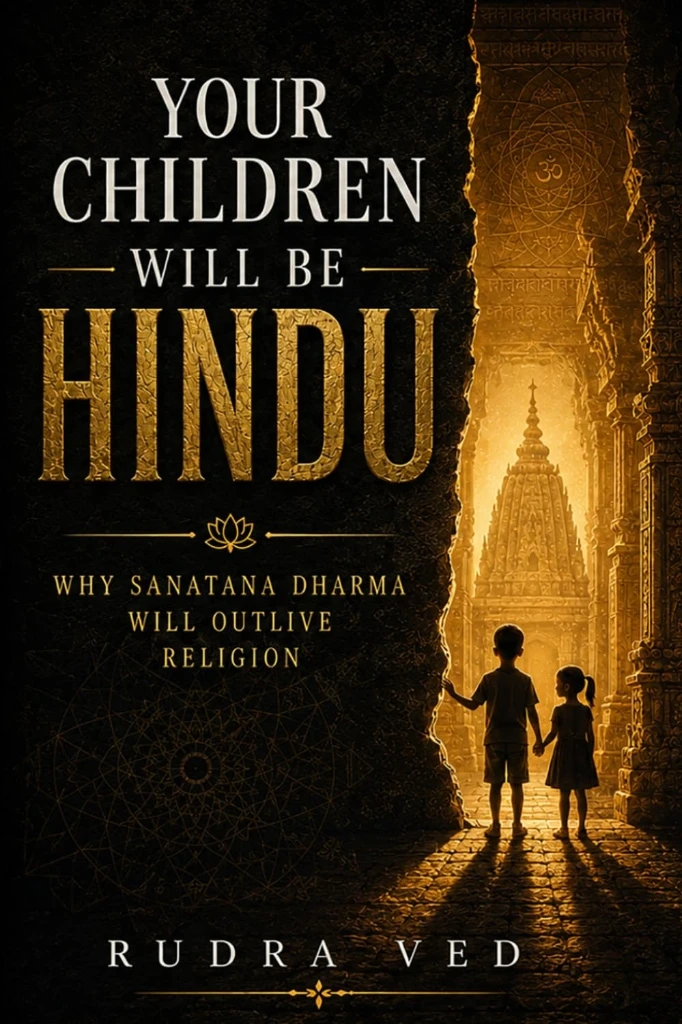
Your Children Will Be Hindu
Why Sanatana Dharma Will Outlive Religion — By Rudra Ved
How do you explain these ancient Vedic verses to your children, friends, or skeptical thinkers? Written by a former lifelong atheist and tested across 500+ unedited live debates, this book provides the rational, modern vocabulary that today's questioning generation needs.
Verse 11
सूत्रमन्तर्गतं येषां ज्ञानयज्ञोपवीतिनाम्। ते तु सूत्रविदो लोके ते च यज्ञोपवीतिनः ॥ ||११||
sūtramantargataṃ yeṣāṃ jñānayajñopavītinām | te tu sūtravido loke te ca yajñopavītinaḥ || 11 ||
Those who are endowed with the sacred thread of knowledge, which is hidden within the sutras, are indeed the knowers of the sutras in this world; they are also the ones who possess the sacred thread of sacrifice.
Verse 12
ज्ञानशिखिनो ज्ञाननिष्ठा ज्ञानयज्ञोपवीतिनः। ज्ञानमेव परं तेषां पवित्रं ज्ञानमीरितम्॥ ||१२||
jñānaśikhinō jñānaniṣṭhā jñānayajñōpavītinaḥ | jñānameva paraṁ teṣāṁ pavitraṁ jñanāmīritam || 12 ||
The knowledge-bearers, firmly established in knowledge, adorned with the sacred thread of knowledge, possess only knowledge as the supreme, pure essence of knowledge.
Verse 13
अग्नेरिव शिखा नान्या यस्य ज्ञानमयी शिखा। स शिखीत्युच्यते विद्वान्नेतरे केशधारिणः ॥ ||१३||
agneḥ iva śikhā nānyā yasya jñānamayī śikhā | sa śikhīt yucyate vidvān netare keśadhāriṇaḥ || 13 ||
Just as the flame of fire is not different, so is the knowledge-filled flame of the wise one. He is called the flame, while others are merely hair-holders.
Verse 14
कर्मण्यधिकृता ये तु वैदिके लौकिकेऽपि वा। ब्राह्मणाभासमात्रेण जीवन्ते कुक्षिपूरकाः। व्रजन्ते निरयं ते तु पुनर्जन्मनि जन्मनि ॥ ||१४||
karmaṇyadhikṛtā ye tu vaidike laukike'pi vā | brāhmaṇābhāsamātreṇa jīvante kukṣipūrakāḥ | vrajante nirayaṁ te tu punarjanmani janmani || 14 ||
Those who are engaged in actions, whether Vedic or worldly, live merely as reflections of Brahmins; they descend into hell repeatedly, life after life.
Verse 15
वामांसदक्षकट्यन्तं ब्रह्मसूत्रं तु सव्यतः। अन्तर्बहिरवात्यर्थं तत्त्वतन्तुसमन्वितम्। नाभ्यादिब्रह्मरन्ध्रान्तप्रमाणं धारयेत्सुधीः ॥ ||१५||
vāmāṁsadakṣakaṭyantaṁ brahmasūtraṁ tu savyataḥ। antarbahiravātyarthaṁ tattvatantusamanvitam। nābhyādibrahmarandhrāntapramāṇaṁ dhārayetsudhīḥ ॥ ||15||
The wise should hold the Brahmasutra, which extends from the left side to the right, encompassing both the inner and outer meanings, and is intertwined with the essence of truth, as a measure from the navel to the Brahma-randhra.
Verse 16
तेभिर्धार्यमिदं सूत्रं त्र्कियाङ्गं तन्तुनिर्मितम्। शिखा ज्ञानमयी यस्य उपवीतं च तन्मयम्। ब्राह्मण्यं सकलं तस्य नेतरेषां तु किंचन ।। ||१६||
tebhirdhāryamidaṃ sūtraṃ trkiyāṅgaṃ tantunirmitam | śikhā jñānamayī yasya upavītaṃ ca tanmayam | brāhmaṇyaṃ sakalaṃ tasya netareṣāṃ tu kiṃcana || 16 ||
This thread, composed of three parts, is sustained by them. Its tuft is filled with knowledge, and it is imbued with that. Everything is Brahman in its entirety; what else is there?
Verse 17
इदं यज्ञोपवीतं तु परमं यत्परायणम्। विद्वान्यज्ञोपवीती संधारयेद्यः स मुक्तिभाक् ॥ ||१७||
idaṃ yajñopavītaṃ tu paramaṃ yatparāyaṇam | vidvānyajñopavītī saṃdhārayedyaḥ sa mukti bhāk || 17 ||
This sacred thread of sacrifice is indeed the highest, which is the ultimate refuge. The wise one who wears this sacred thread attains liberation.
Verse 18
बहिरन्तश्चोपवीती विप्रः संन्यस्तुमर्हति । एकयज्ञोपवीती तु नैव संन्यस्तुमर्हति ।। ||१८||
bahirantaścopavītī vipraḥ saṃnyastumarhati | ekayajñopavītī tu naiva saṃnyastumarhati || 18 ||
The learned one who is adorned both externally and internally is worthy of renunciation; however, one who is adorned only with a single sacrificial thread is not worthy of renunciation.
Verse 19
तस्मात्सर्वप्रयत्लेन मोक्षापेक्षी भवेद्यतिः । बहिःसूत्रं परित्यज्य स्वान्तःसूत्रं तु धारयेत् ॥ ||१९||
tasmātsarvaprayatlen mokṣāpekṣī bhavedyatiḥ | bahiḥsūtraṃ parityajya svāntaḥsūtraṃ tu dhārayet || 19 ||
Therefore, the seeker who desires liberation should, with all effort, abandon external attachments and hold onto the inner essence.
Verse 20
बहि:प्रपञ्चशिखोपवीतित्वमनादृत्य प्रणवहंसशिखोपवीतित्वमवलम्ब्य मोक्षसाधनं कुर्यादित्याह भगवाञ्छौनक इत्युपनिषत् ॥ ||२०||
bahiḥ prapañcaśikhopavītitvam anādṛtya praṇavahaṃsaśikhopavītitvam avalambya mokṣasādhanaṃ kuryād ity āha bhagavān śaunaka ity upaniṣat || 20 ||
Without disregarding the external world, one should rely on the essence of the supreme sound, the syllable Om, as a means to attain liberation, thus speaks the revered sage Śaunaka in this Upanishad.
Key Takeaways & AI Summary
This chapter explores the profound teachings of Parabrahma Upanishad. It includes 20 verses detailing core themes like "atha hainaṃ mahāśālaḥ śaunako'ṅgirasam bhagavantaṃ pippalādaṃ vidhivadupasannaḥ papraccha divye brahmapure sampratiṣṭhitā bhavanti khalu | kathaṃ sṛjyante | nityātman eṣa mahimā | vibhajya eṣa mahimā vibhuh | ka eṣaḥ | tasmai sa hovāca |etat satyaṃ yatprabravīmi brahmavidyāṃ variṣṭhāṃ devebhyaḥ prāṇebhyaḥ | parabrahmapure virajaṃ niṣkalaṃ śubhramakṣaraṃ virajaṃ vibhāti | sa niyacchati madhukarārāśyā nirmakaḥ | akarmasvapurasthitaḥ | karmataraḥ karṣakavatphalamanubhavati | karmamarmajñātā karma karoti | karmamarma jñātvā karma kuryāt | ko jālaṃ vikṣipedeko nainamapakarṣatyapakarṣati || 1 ||", "prāṇadevatāścatvāraḥ | tāḥ sarvā nāḍyaḥ suṣuptaśyenākāśavat | yathā śyenaḥ khamāśritya yāti svamālayaṃ kulāyam | evaṃ suṣuptaṃ brūta | ayaṃ ca paraṃ ca sa sarvatra hiraṇmaye pare kośe | amṛtā hṛyeṣā nāḍītrayaṃ saṃcarati | tasya tripādaṃ brahma | eṣātraeṣya tato'nutiṣṭhati | anyatra bruta | ayaṃ ca paraṃ ca sarvatra hiraṇmaye pare kośe | yathaieṣa devadatto yaṣṭyā ca tāḍayāmāno naiva iti | evamiṣṭāpūrtakarmā śubhāśubhairna lipyate | yathā kumārako niṣkāma ānandaṃabhiyāti | tathaiṣa devaḥ svapna ānandaṃabhidhāvati | veda eva paraṃ jyotiḥ | jyotiṣā mā jyotirānandayate evameva | tatparaṃ yacca cittaṃ paramātmā-namānandayati | śubravarṇamājāyateśvarāt | bhūyastenaiva mārgeṇa svapnasthānaṃ niyacchati | jalūkābhāva-vadvayarthākāmamājāyateśvarāt | tāvatātmānamānandayati | parasandhi yadaparasaṃdhīti | tatparaṃ nāpara tyajati | tadaivaṃ kapālāṣṭakaṃ sa", "sattvamathāsya puruṣāntaḥśikhopavītatvam | brāhmaṇasya mumukṣorantaḥśikhopavītadhāraṇam | bahirlakṣyamāṇaśikhāyajñopavītadhāraṇaṃ karmiṇo gṛhasthasya | antaru pavītalakṣaṇaṃ tu bahistantu-vadavyaktamantastattvamelanam ||3||".The crown jewels of Vedic philosophy — a collection of 108+ texts exploring the nature of Brahman, Atman, and ultimate reality.