
Taittiriya ( Ananda- Bhrgu) Upanishad
(Chapter 3)
Verse 1
ॐ ब्रह्मविदाप्नोति परम् । तदेवाभ्युक्तम् — सत्यं ज्ञानमनन्तं ब्रह्म । यो वेद निहितं गुहायां परमे व्योमन् । सोऽश्नुते सर्वान् कामान् सह ब्रह्मणा विपश्चितेति ॥
oṃ brahmavid āpnoti param; tadev�bhyuktam — satyaṃ jñānam anantaṃ brahma; yo veda nihitaṃ guhāyāṃ parame vyoman; so'śnute sarvān kāmān saha brahmaṇā vipaściteti.
The knower of Brahman attains the Supreme. Brahman is truth, knowledge, infinity. Knowing That—hidden in the heart and in the highest space—one enjoys all desires in union with the all‑knowing Brahman.
Verse 2
हरिः ॐ। सह नाववतु। सह नौ भुनक्तु। सह वीर्यं करवावहै।तेजस्वि नावधीतमस्तु। मा विद्विषावहै।ॐ शान्तिः शान्तिः शान्तिः॥ ॐ ब्रह्मविदाप्नोति परम्। तदेषाऽभ्युक्ता।सत्यं ज्ञानमनन्तं ब्रह्म। यो वेद निहितं गुहायां परमे व्योमन्।सोऽश्नुते सर्वान् कामान् सह ब्रह्मणा विपश्चितेति॥ तस्माद्वा एतस्मादात्मन आकाशः संभूतः। आकाशाद्वायुः।वायोरग्निः। अग्नेरापः। अद्भ्यः पृथिवी।पृथिव्या ओषधयः। ओषधीभ्योऽन्नम्। अन्नात्पुरुषः।स वा एष पुरुषोऽन्न्नरसमयः।तस्येदमेव शिरः। अयं दक्षिणः पक्षः। अयमुत्तरः पक्षः। अयमात्मा। इदं पुच्छं प्रतिष्ठा।तदप्येष श्लोको भवति।
hariḥ om| saha nāvavatu | saha nau bhunaktu | saha vīryaṁ karavāvahai |tejasvi nāvadhītamastu| mā vidviṣāvahai |om śāntiḥ śāntiḥ śāntiḥ || om brahmavidāpnoti param | tadeṣā'bhyuktā |satyaṁ jñānamanantaṁ brahma | yo veda nihitaṁ guhāyāṁ parame vyoman |so'śnute sarvān kāmān saha brahmaṇā vipaściteti || tasmādvā etasmādātmana ākāśaḥ saṁbhūtaḥ | ākāśādvāyuḥ |vāyoragniḥ | agnerāpaḥ | adbhyaḥ pṛthivī pṛthivyā oṣadhayaḥ | oṣadhībhyo'nnam | annātpuruṣaḥ |sa vā eṣa puruṣo'nnnarasamayaḥ |tasyedameva śiraḥ| ayaṁ dakṣiṇaḥ pakṣaḥ | ayamuttaraḥ pakṣaḥ| ayamātmā | idaṁ pucchaṁ pratiṣṭhā |tadapyeṣa śloko bhavati|
Hari Om. May He protect us both together. May He nourish us both together. May we work together with great energy. May our study be brilliant and effective. May we not quarrel or hate each other. Om Peace, Peace, Peace. Om. The knower of Brahman attains the Supreme. Regarding this, there is this verse: Brahman is Reality, Consciousness, Infinitude. He who knows it as hidden in the cave of the heart, in the highest heaven, he enjoys all desires simultaneously with the omniscient Brahman. From that very Atman, space originated. From space, air. From air, fire. From fire, water. From water, earth. From earth, herbs. From herbs, food. From food, man. This man, indeed, consists of the essence of food. This indeed is his head. This is his right wing. This is his left wing. This is his body. This is his tail, the support. Regarding this, there is also this verse.
Verse 3
अन्नाद्वै प्रजाः प्रजायन्ते। याः काश्च पृथिवीं श्रिताः। अथो अन्नेनैव जीवन्ति। अथैनदपियन्त्यन्ततः। अन्नं हि भूतानां ज्येष्ठम्। तस्मात् सर्वौषधमुच्यते।सर्वं वै तेऽन्नमाप्नुवन्ति। येऽन्नं ब्रह्मोपासते। अन्नं हि भूतानां ज्येष्ठम्। तस्मात् सर्वौषधमुच्यते। अन्नाद् भूतानि जायन्ते। जातान्यन्नेन वर्धन्ते। अद्यतेऽत्ति च भूतानि। तस्मादन्नं तदुच्यत इति।तस्माद्वा एतस्मादन्नरसमयात्। अन्योऽन्तर आत्मा प्राणमयः।तेनैष पूर्णः। स वा एष पुरुषविध एव।तस्य पुरुषविधताम्। अन्वयं पुरुषविधः।तस्य प्राण एव शिरः। व्यानो दक्षिणः पक्षः। अपान उत्तरः पक्षः। आकाश आत्मा।पृथिवी पुच्छं प्रतिष्ठा। तदप्येष श्लोको भवति।
annādvai prajāḥ prajāyante | yāḥ kāśca pṛthivīṁ śritāḥ| atho annenaiva jīvanti | athainadapiyantyantataḥ | annaṁ hi bhūtānāṁ jyeṣṭham | tasmāt sarvauṣadhamucyate |sarvaṁ vai te'nnamāpnuvanti | ye'nnaṁ brahmopāsate| annaṁ hi bhūtānāṁ jyeṣṭham | tasmāt sarvauṣadhamucyate| annād bhūtāni jāyante | jātānyannena vardhante| adyate'tti ca bhūtāni | tasmādannaṁ taducyata iti |tasmādvā etasmādannarasamayāt | anyo'ntara ātmā prāṇamayaḥ |tenaiṣa pūrṇaḥ | sa vā eṣa puruṣavidha eva |tasya puruṣavidhatām | anvayaṁ puruṣavidhaḥ |tasya prāṇa eva śiraḥ | vyāno dakṣiṇaḥ pakṣaḥ| apāna uttaraḥ pakṣaḥ | ākāśa ātmā pṛthivī pucchaṁ pratiṣṭhā | tadapyeṣa śloko bhavati|
Indeed, from food are born all creatures whatsoever that dwell on earth. And by food alone do they live. And into it, they finally return. For food is the oldest of all beings. Therefore, it is called the panacea. Verily, they obtain all food who worship food as Brahman. For food is the oldest of all beings; therefore, it is called the panacea. From food are born beings; having been born, they grow by food. It is eaten and it eats beings; therefore, it is called Annam. Verily, from this self consisting of the essence of food, there is another inner self, consisting of vital breath. By that, this one is filled. Verily, this one is of the form of a man. According to its human form, this one also has a human form. Of that, Prana is the head. Vyana is the right wing. Apana is the left wing. Akasha is the trunk. Earth is the tail, the support. Regarding this, there is also this verse.
Verse 4
प्राणं देवा अनु प्राणन्ति। मनुष्याः पशवश्च ये।प्राणो हि भूतानामायुः। तस्मात् सर्वायुषमुच्यते।सर्वमेव त आयुर्यन्ति। ये प्राणं ब्रह्मोपासते।प्राणो हि भूतानामायुः। तस्मात् सर्वायुषमुच्यत इति।तस्यैष एव शारीर आत्मा। यः पूर्वस्य। तस्माद्वा एतस्मात्प्राणमयात्। अन्योऽन्तर आत्मा मनोमयः।तेनैष पूर्णः। स वा एष पुरुषविध एव।तस्य पुरुषविधताम्। अन्वयं पुरुषविधः।तस्य यजुरेव शिरः। ऋग्दक्षिणः पक्षः। सामोत्तरः पक्षः। आदेश आत्मा। अथर्वाङ्गिरसः पुच्छं प्रतिष्ठा।तदप्येष श्लोको भवति॥
prāṇaṁ devā anu prāṇanti | manuṣyāḥ paśavaśca ye prāṇo hi bhūtānāmāyuḥ | tasmāt sarvāyuṣamucyate |sarvameva ta āyuryanti | ye prāṇaṁ brahmopāsate prāṇo hi bhūtānāmāyuḥ | tasmāt sarvāyuṣamucyata iti |tasyaiṣa eva śārīra ātmā | yaḥ pūrvasya | tasmādvā etasmātprāṇamayāt | anyo'ntara ātmā manomayaḥ |tenaiṣa pūrṇaḥ | sa vā eṣa puruṣavidha eva |tasya puruṣavidhatām | anvayaṁ puruṣavidhaḥ |tasya yajureva śiraḥ | ṛgdakṣiṇaḥ pakṣaḥ | sāmottaraḥ pakṣaḥ| ādeśa ātmā | atharvāṅgirasaḥ pucchaṁ pratiṣṭhā |tadapyeṣa śloko bhavati ||
The Gods live and breathe under the dominion of Prana and men and all these that are beasts; for Prana is the life of created things and therefore they name it the Life-Stuff of the All. Verily, they who worship the Eternal as Prana, reach Life to the uttermost; for Prana is the life of created things and therefore they name it the Life-Stuff of the All. And this Self of Prana is the soul in the body of the former one which was of food. Now there is yet a second and inner Self which is other than this that is of Prana, and it is made of Mind. And the Self of Mind fills the Self of Prana. Now the Self of Mind is made in the image of a man; according as is the human image of the other, so is it in the image of the man. Yajur is the head of him and the Rig-veda is his right side and the Sama-veda is his left side: the Commandment is his spirit which is the self of him, Atharvan Ungirus is his lower member whereon he rests abidingly. Whereof this is the Scripture.
Verse 5
यतो वाचो निवर्तन्ते। अप्राप्य मनसा सह। आनन्दं ब्रह्मणो विद्वान्। न बिभेति कदाचनेति।तस्यैष एव शारीर आत्मा। यः पूर्वस्य। तस्माद्वा एतस्मान्मनोमयात्। अन्योऽन्तर आत्मा विज्ञानमयः।तेनैष पूर्णः। स वा एष पुरुषविध एव।तस्य पुरुषविधताम्। अन्वयं पुरुषविधः। तस्य श्रद्धैव शिरः।ऋतं दक्षिणः पक्षः।सत्यमुत्तरः पक्षः। योग आत्मा। महः पुच्छं प्रतिष्ठा।तदप्येष श्लोको भवति॥
yato vāco nivartante | aprāpya manasā saha| ānandaṁ brahmaṇo vidvān | na bibheti kadācaneti |tasyaiṣa eva śārīra ātmā | yaḥ pūrvasya | tasmādvā etasmānmanomayāt | anyo'ntara ātmā vijñānamayaḥ |tenaiṣa pūrṇaḥ | sa vā eṣa puruṣavidha eva |tasya puruṣavidhatām| anvayaṁ puruṣavidhaḥ | tasya śraddhaiva śiraḥ |ṛtaṁ dakṣiṇaḥ pakṣaḥ |satyamuttaraḥ pakṣaḥ | yoga ātmā | mahaḥ pucchaṁ pratiṣṭhā |tadapyeṣa śloko bhavati ||
The delight of the Eternal from which words turn away without attaining and the mind also returneth baffled, who knoweth the delight of the Eternal? He shall fear nought now or hereafter. And this Self of Mind is the soul in the body to the former one which was of Prana. Now there is yet a second and inner Self which is other than this which is of Mind and it is made of Knowledge. And the Self of Knowledge filleth the Self of Mind. Now the Knowledge-Self is made in the image of a man; according as is the human image of the other, so is it in the image of the man. Faith is the head of him, Law is his right side, Truth is his left side; Yoga is his spirit which is the self of him; Mahas (the material world) is his lower member whereon he resteth abidingly. Whereof this is the Scripture.
Verse 6
विज्ञानं यज्ञं तनुते। कर्माणि तनुतेऽपि च।विज्ञानं देवाः सर्वे।ब्रह्म ज्येष्ठमुपासते। विज्ञानं ब्रह्म चेद्वेद।तस्माच्चेन्न प्रमाद्यति। शरीरे पाप्मनो हित्वा।सर्वान् कामान् समश्नुत इति। तस्यैष एव शारीर आत्मा।यः पूर्वस्य। तस्माद्वा एतस्माद्विज्ञानमयात्। अन्योऽन्तर आत्माऽऽनन्दमयः तेनैष पूर्णः।स वा एष पुरुषविध एव। तस्य पुरुषविधताम्। अन्वयं पुरुषविधः। तस्य प्रियमेव शिरः। मोदो दक्षिणः पक्षः।प्रमोद उत्तरः पक्षः। आनन्द आत्मा। ब्रह्म पुच्छं प्रतिष्ठा।तदप्येष श्लोको भवति॥
vijñānaṁ yajñaṁ tanute | karmāṇi tanute'pi ca |vijñānaṁ devāḥ sarve |brahma jyeṣṭhamupāsate | vijñānaṁ brahma cedveda |tasmāccenna pramādyati | śarīre pāpmano hitvā |sarvān kāmān samaśnuta iti | tasyaiṣa eva śārīra ātmā |yaḥ pūrvasya | tasmādvā etasmādvijñānamayāt| anyo'ntara ātmā''nandamayaḥ tenaiṣa pūrṇaḥ |sa vā eṣa puruṣavidha eva | tasya puruṣavidhatām| anvayaṁ puruṣavidhaḥ | tasya priyameva śiraḥ | modo dakṣiṇaḥ pakṣaḥ pramoda uttaraḥ pakṣaḥ | ānanda ātmā | brahma pucchaṁ pratiṣṭhā |tadapyeṣa śloko bhavati ||
Knowledge spreadeth the feast of sacrifice and knowledge spreadeth also the feast of works; all the gods offer adoration to him as to Brahman and the Elder of the Universe. For if one worship Brahman as the knowledge and if one swerve not from it neither falter, then he casteth sin from him in this body and tasteth all desire. And this Self of Knowledge is the soul in the body to the former one which was of Mind. Now there is yet a second and inner self which is other than this which is of Knowledge and it is fashioned out of Bliss. And the Self of Bliss filleth the Self of Knowledge. Now the Bliss Self is made in the image of a man; according as is the human image of the other, so is it made in the image of the man. Love is the head of Him; Joy is His right side; pleasure is His left side; Bliss is His spirit which is the self of Him; the Eternal is His lower member wherein He resteth abidingly. Whereof this is the Scripture.
Verse 7
असन्नेव स भवति। असद् ब्रह्मेति वेद चेत्। अस्ति ब्रह्मेति चेद्वेद। सन्तमेनं ततो विदुरिति।तस्यैष एव शारीर आत्मा। यः पूर्वस्य। अथातोऽनुप्रश्नाः। उताविद्वानमुं लोकं प्रेत्य।कश्चन गच्छती३ उ। आहो विद्वानमुं लोकं प्रेत्य कश्चित्समश्नुता ३ उ। सोऽकामयत।बहु स्यां प्रजायेयेति। स तपोऽतप्यत। स तपस्तप्त्वा।इदं सर्वमसृजत। यदिदं किञ्च। तत् सृष्ट्वा तदेवानुप्राविशत्। तदनुप्रविश्य। सच्च त्यच्चाभवत्। निरुक्तं चानिरुक्तं च। निलयनं चानिलयनं च।विज्ञानं चाविज्ञानं च। सत्यं चानृतं च सत्यमभवत्।यदिदं किं च। तत्सत्यमित्याचक्षते।तदप्येष श्लोको भवति॥
asanneva sa bhavati | asad brahmeti veda cet| asti brahmeti cedveda | santamenaṁ tato viduriti |tasyaiṣa eva śārīra ātmā | yaḥ pūrvasya| athāto'nupraśnāḥ | utāvidvānamuṁ lokaṁ pretya kaścana gacchatī3 u| āho vidvānamuṁ lokaṁ pretya kaścitsamaśnutā 3 u | so'kāmayata |bahu syāṁ prajāyeyeti | sa tapo'tapyata | sa tapastaptvā |idaṁ sarvamasṛjata | yadidaṁ kiñca | tat sṛṣṭvā tadevānuprāviśat | tadanupraviśya | sacca tyaccābhavat| niruktaṁ cāniruktaṁ ca | nilayanaṁ cānilayanaṁ ca |vijñānaṁ cāvijñānaṁ ca | satyaṁ cānṛtaṁ ca satyamabhavat |yadidaṁ kiṁ ca| tatsatyamityācakṣate |tadapyeṣa śloko bhavati||
One becometh as the unexisting, if he know the Eternal as negation; but if one knoweth of the Eternal that He is, then men know him for the saint & the one reality. And this Self of Bliss is the soul in the body to the former one which was of Knowledge. And thereupon there arise these questions. "When one who hath not the Knowledge, passeth over to that other world, doth any such travel farther? Or when one who knoweth, hath passed over to the other world, doth any such enjoy possession?" The Spirit desired of old "I would be manifold for the birth of peoples." Therefore He concentrated all Himself in thought, and by the force of His brooding He created all this universe, yea all whatsoever existeth. Now when He had brought it forth, He entered into that He had created, He entering in became the Is here and the May Be there; He became that which is defined and that which hath no feature; He became this housèd thing and that houseless; He became Knowledge and He became Ignorance; He became Truth and He became falsehood. Yea He became all truth, even whatsoever here existeth. Therefore they say of Him that He is Truth. Whereof this is the Scripture.
Verse 8
असद् वा इदमग्र आसीत्। ततो वै सदजायत।तदात्मानं स्वयमकुरुत।तस्मात् तत्सुकृतमुच्यत इति।यद्वै तत्सुकृतम्। रसो वै सः। रसं ह्येवायं लब्ध्वानन्दी भवति। को ह्येवान्यात् कः प्राण्यात्। यदेष आकाश आनन्दो न स्यात्।एष ह्येवानन्द याति।यदा ह्येवैष एतस्मिन्नदृश्येऽनात्म्येऽनिरुक्तेऽनिलयनेऽभयं प्रतिष्ठां विन्दते। अथ सोऽभयं गतो भवति।यदा ह्येवैष एतस्मिन्नुदरमन्तरं कुरुते।थ तस्य भयं भवति। तत्वेव भयं विदुषो मन्वानस्य।तदप्येष श्लोको भवति॥
asad vā idamagra āsīt | tato vai sadajāyata |tadātmānaṁ svayamakuruta |tasmāt tatsukṛtamucyata iti |yadvai tatsukṛtam | raso vai saḥ| rasaṁ hyevāyaṁ labdhvānandī bhavati | ko hyevānyāt kaḥ prāṇyāt | yadeṣa ākāśa ānando na syāt |eṣa hyevānanda yāti |yadā hyevaiṣa etasminnadṛśye'nātmye'nirukte'nilayane'bhayaṁ pratiṣṭhāṁ vindate | atha so'bhayaṁ gato bhavati |yadā hyevaiṣa etasminnudaramantaraṁ kurute |tha tasya bhayaṁ bhavati | tatveva bhayaṁ viduṣo manvānasya |tadapyeṣa śloko bhavati||
In the beginning all this Universe was Non-Existent and Unmanifest, from which this manifest Existence was born. Itself created itself; none other created it. Therefore they say of it the well and beautifully made. Lo this that is well and beautifully made, verily it is no other than the delight behind existence. When he hath gotten him this delight, then it is that this creature becometh a thing of bliss; for who could labour to draw in the breath or who could have strength to breathe it out, if there were not that Bliss in the heaven of his heart, the ether within his being? It is He that is the fountain of bliss; for when the Spirit that is within us findeth his refuge and firm foundation in the Invisible Bodiless Undefinable and Unhoused Eternal, then he hath passed beyond the reach of Fear. But when the Spirit that is within us maketh for himself even a little difference in the Eternal, then he hath fear, yea the Eternal himself becometh a terror to such a knower who thinketh not. Whereof this is the Scripture.
Verse 9
भीषाऽस्माद्वातः पवते। भीषोदेति सूर्यः।भीषाऽस्मादग्निश्चेन्द्रश्च। मृत्युर्धावति पञ्चम इति।सैषाऽऽनन्दस्य मीमांसा भवति।युवा स्यात्साधुयुवाऽध्यायकः। आशिष्ठो दृढिष्ठो बलिष्ठः। तस्येयं पृथिवी सर्वा वित्तस्य पूर्णा स्यात्। स एको मानुष आनन्दाः। ते ये शतं मानुषा आनन्दाः। स एको मनुष्यगन्धर्वाणामानन्दः। श्रोत्रियस्य चाकामहतस्य।ते ये शतं मनुष्यगन्धर्वाणामानन्दाः।स एको देवगन्धर्वाणामानन्दः। श्रोत्रियस्य चाकामहतस्य।ते ये शतं देवगन्धर्वाणामानन्दाः।स एकः पितृणां चिरलोकलोकानामानन्दः।श्रोत्रियस्य चाकामहतस्य। ते ये शतं पितृणां चिरलोकलोकानामानन्दाः।स एकः आजानजानां देवानामानन्दः। श्रोत्रियस्य चाकामहतस्य।ते ये शतम् आजानजानां देवानामानन्दाः।स एकः कर्मदेवानां देवानामानन्दः। ये कर्मणा देवानपियन्ति। श्रोत्रियस्य चाकामहतस्य।ते ये शतं कर्मदेवानां देवानामानन्दाः। स एको देवानामानन्दः। श्रोत्रियस्य चाकामहतस्य।ते ये शतं देवानामानन्दाः। स एक इन्द्रस्यानन्दः। श्रोत्रियस्य चाकामहतस्य। ते ये शतमिन्द्रस्यानन्दाः।स एको बृहस्पतेरानन्दः। श्रोत्रियस्य चाकामहतस्य।ते ये शतं बृहस्पतेरानन्दाः। स एकः प्रजापतेरानन्दः।श्रोत्रियस्य चाकामहतस्य। ते ये शतं प्रजापतेरानन्दाः।स एको ब्रह्मण आनन्दः। श्रोत्रियस्य चाकामहतस्य॥ स यश्चायं पुरुषे। यश्चासावादित्ये। स एकः।स य एवंवित्। अस्माल्लोकात्प्रेत्य। एतमन्नमयमात्मानमुपसङ्क्रामति।एतं प्राणमयमात्मानमुपसङ्क्रामति। एतं मनोमयमात्मानमुपसङ्क्रामति।एतं विज्ञानमयमात्मानमुपसङ्क्रामति। एतमानन्दमयमात्मानमुपसङ्क्रामति।तदप्येष श्लोको भवति॥
bhīṣā'smādvātaḥ pavate | bhīṣodeti sūryaḥ |bhīṣā'smādagniścendraśca | mṛtyurdhāvati pañcama iti |saiṣā''nandasya mīmāṁsā bhavati |yuvā syātsādhuyuvā'dhyāyakaḥ| āśiṣṭho dṛḍhiṣṭho baliṣṭhaḥ | tasyeyaṁ pṛthivī sarvā vittasya pūrṇā syāt| sa eko mānuṣa ānandāḥ | te ye śataṁ mānuṣā ānandāḥ| sa eko manuṣyagandharvāṇāmānandaḥ | śrotriyasya cākāmahatasya |te ye śataṁ manuṣyagandharvāṇāmānandāḥ |sa eko devagandharvāṇāmānandaḥ | śrotriyasya cākāmahatasya |te ye śataṁ devagandharvāṇāmānandāḥ |sa ekaḥ pitṛṇāṁ ciralokalokānāmānandaḥ |śrotriyasya cākāmahatasya | te ye śataṁ pitṛṇāṁ ciralokalokānāmānandāḥ |sa ekaḥ ājānajānāṁ devānāmānandaḥ| śrotriyasya cākāmahatasya |te ye śatam ājānajānāṁ devānāmānandāḥ |sa ekaḥ karmadevānāṁ devānāmānandaḥ | ye karmaṇā devānapiyanti | śrotriyasya cākāmahatasya |te ye śataṁ karmadevānāṁ devānāmānandāḥ | sa eko devānāmānandaḥ | śrotriyasya cākāmahatasya |te ye śataṁ devānāmānandāḥ | sa eka indrasyānandaḥ| śrotriyasya cākāmahatasya | te ye śatamindrasyānandāḥ |sa eko bṛhaspaterānandaḥ | śrotriyasya cākāmahatasya |te ye śataṁ bṛhaspaterānandāḥ | sa ekaḥ prajāpaterānandaḥ |śrotriyasya cākāmahatasya | te ye śataṁ prajāpaterānandāḥ |sa eko brahmaṇa ānandaḥ | śrotriyasya cākāmahatasya|| sa yaścāyaṁ puruṣe | yaścāsāvāditye |sa ekaḥ |sa ya evaṁvit | asmāllokātpretya | etamannamayamātmānamupasaṅkrāmati |etaṁ prāṇamayamātmānamupasaṅkrāmati | etaṁ manomayamātmānamupasaṅkrāmati |etaṁ vijñānamayamātmānamupasaṅkrāmati | etamānandamayamātmānamupasaṅkrāmati |tadapyeṣa śloko bhavati||
From fear of Him the wind blows. From fear of Him the sun rises. From fear of Him fire and Indra, and Death, the fifth, run. This is the inquiry into bliss. Let there be a youth, a good youth, learned, swiftest, firmest, strongest; let this entire earth be full of wealth for him. That is one human bliss. A hundred such human blisses make one bliss of human Gandharvas. And of a Srotriya (one learned in the Vedas) who is not smitten by desire. A hundred such blisses of human Gandharvas make one bliss of divine Gandharvas. And of a Srotriya who is not smitten by desire. A hundred such blisses of divine Gandharvas make one bliss of the ancestors who dwell in their eternal worlds. And of a Srotriya who is not smitten by desire. A hundred such blisses of ancestors who dwell in their eternal worlds make one bliss of the gods born by birth. And of a Srotriya who is not smitten by desire. A hundred such blisses of the gods born by birth make one bliss of the gods by action, who reach the gods through their actions. And of a Srotriya who is not smitten by desire. A hundred such blisses of the gods by action make one bliss of the gods (in general). And of a Srotriya who is not smitten by desire. A hundred such blisses of the gods make one bliss of Indra. And of a Srotriya who is not smitten by desire. A hundred such blisses of Indra make one bliss of Brihaspati. And of a Srotriya who is not smitten by desire. A hundred such blisses of Brihaspati make one bliss of Prajapati. And of a Srotriya who is not smitten by desire. A hundred such blisses of Prajapati make one bliss of Brahman. And of a Srotriya who is not smitten by desire. He who is in this person, and He who is in yonder sun, He is one. He who knows this, departing from this world, approaches this self made of food; approaches this self made of vital breath; approaches this self made of mind; approaches this self made of intellect; approaches this self made of bliss. There is also this verse about it.
Verse 10
यतो वाचो निवर्तन्ते। अप्राप्य मनसा सह। आनन्दं ब्रह्मणो विद्वान्। न बिभेति कुतश्चनेति। एतं ह वाव न तपति।किमहं साधु नाकरवम्। किमहं पापमकरवमिति।स य एवं विद्वानेते आत्मानं स्पृणुते।उभे ह्येवैष एते आत्मानं स्पृणुते। य एवं वेद। इत्युपनिषत्॥
yato vāco nivartante | aprāpya manasā saha| ānandaṁ brahmaṇo vidvān| na bibheti kutaścaneti | etaṁ ha vāva na tapati kimahaṁ sādhu nākaravam | kimahaṁ pāpamakaravamiti |sa ya evaṁ vidvānete ātmānaṁ spṛṇute |ubhe hyevaiṣa ete ātmānaṁ spṛṇute | ya evaṁ veda | ityupaniṣat||
The Bliss of the Eternal from which words turn back without attaining and mind also returneth baffled, who knoweth the Bliss of the Eternal? He feareth not for aught in this world or elsewhere. Verily to him cometh not remorse and her torment saying "Why have I left undone the good & why have I done that which was evil?" For he who knoweth the Eternal, knoweth these that they are alike his Spirit; yea, he knoweth both evil and good for what they are and delivereth Spirit, who knoweth the Eternal. And this is Upanishad, the secret of the Veda. Together may He protect us, together may He possess us, together may we make unto us strength & virility. May our reading be full of light and power. May we never hate. OM Peace! Peace! Peace! Hari OM!
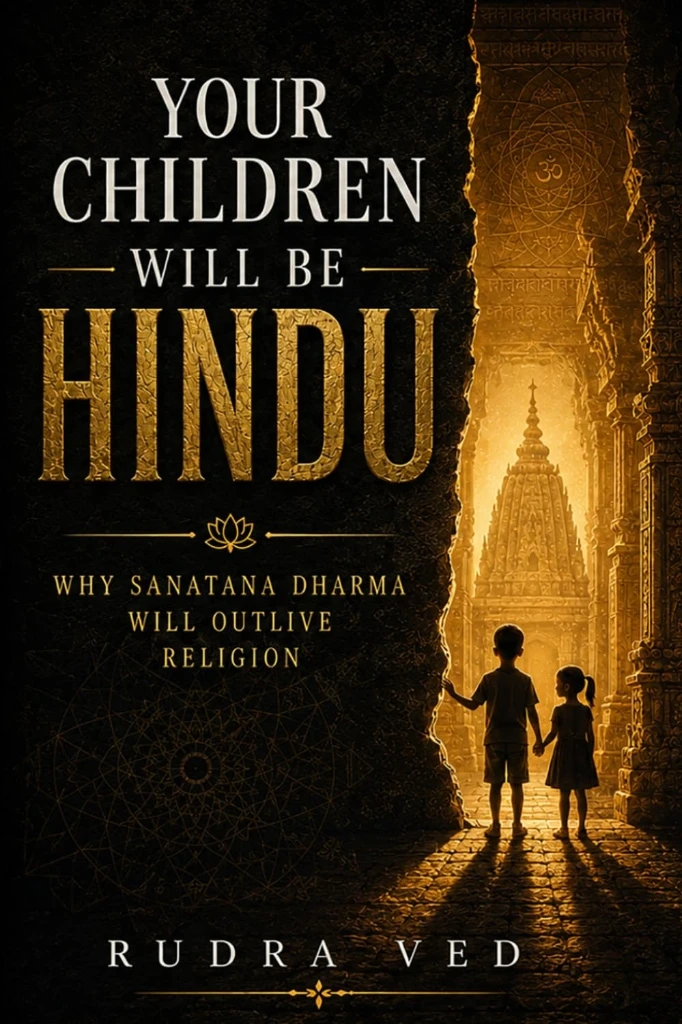
Your Children Will Be Hindu
Why Sanatana Dharma Will Outlive Religion — By Rudra Ved
How do you explain these ancient Vedic verses to your children, friends, or skeptical thinkers? Written by a former lifelong atheist and tested across 500+ unedited live debates, this book provides the rational, modern vocabulary that today's questioning generation needs.
Verse 11
भृगुर्वै वारुणिः। वरुणं पितरमुपससार। अधीहि भगवो ब्रह्मेति। तस्मा एतत् प्रोवाच। अन्नं प्राणं चक्षुः श्रोत्रं मनो वाचमिति।तं होवाच। यतो वा इमानि भूतानि जायन्ते।येन जातानि जीवन्ति। यत् प्रयन्त्यभिसंविशन्ति। तद्विजिज्ञासस्व। तद् ब्रह्मेति।स तपोऽतप्यत। स तपस्तप्त्वा॥
bhṛgurvai vāruṇiḥ | varuṇaṁ pitaramupasasāra| adhīhi bhagavo brahmeti | tasmā etat provāca| annaṁ prāṇaṁ cakṣuḥ śrotraṁ mano vācamiti |taṁ hovāca | yato vā imāni bhūtāni jāyante |yena jātāni jīvanti | yat prayantyabhisaṁviśanti | tadvijijñāsasva | tad brahmeti |sa tapo'tapyata | sa tapastaptvā||
Bhrigu, Varouna's son, came unto his father Varouna and said "Lord, teach me the Eternal." And his father declared it unto him thus "Food and Prana and Eye and Ear and Mind—even these." Verily he said unto him "Seek thou to know that from which these creatures are born, whereby being born they live and to which they go hence and enter again; for that is the Eternal." And Bhrigu concentrated himself in thought and by the askesis of his brooding
Verse 12
अन्नं ब्रह्मेति व्यजानात्। अन्नाद्ध्येव खल्विमानि भुतानि जायन्ते। अन्नेन जातानि जीवन्ति। अन्नं प्रयन्त्यभिसंविशन्तीति। तद्विज्ञाय।पुनरेव वरुणं पितरमुपससार। अधीहि भगवो ब्रह्मेति।तं होवाच। तपसा ब्रह्म विजिज्ञासस्व। तपो ब्रह्मेति।स तपोऽतप्यत। स तपस्तप्त्वा॥
annaṁ brahmeti vyajānāt | annāddhyeva khalvimāni bhutāni jāyante | annena jātāni jīvanti| annaṁ prayantyabhisaṁviśantīti | tadvijñāya punareva varuṇaṁ pitaramupasasāra | adhīhi bhagavo brahmeti |taṁ hovāca | tapasā brahma vijijñāsasva | tapo brahmeti |sa tapo'tapyata | sa tapastaptvā||
He knew food for the Eternal. For from food alone, it appeareth, are these creatures born and being born they live by food, and into food they depart and enter again. And when he had known this, he came again to Varouna his father and said "Lord, teach me the Eternal." And his father said to him "By askesis do thou seek to know the Eternal, for concentration in thought is the Eternal." He concentrated himself in thought and by the energy of his brooding
Verse 13
प्राणो ब्रह्मेति व्यजानात्।प्राणाद्ध्येव खल्विमानि भूतानि जायन्ते।प्राणेन जातानि जीवन्ति। प्राणं प्रयन्त्यभिसंविशन्तीति।तद्विज्ञाय। पुनरेव वरुणं पितरमुपससार। अधीहि भगवो ब्रह्मेति। तं होवाच। तपसा ब्रह्म विजिज्ञासस्व। तपो ब्रह्मेति।स तपोऽतप्यत। स तपस्तप्त्वा॥
prāṇo brahmeti vyajānāt prāṇāddhyeva khalvimāni bhūtāni jāyante prāṇena jātāni jīvanti | prāṇaṁ prayantyabhisaṁviśantīti |tadvijñāya | punareva varuṇaṁ pitaramupasasāra| adhīhi bhagavo brahmeti | taṁ hovāca | tapasā brahma vijijñāsasva | tapo brahmeti |sa tapo'tapyata | sa tapastaptvā||
He knew Prana for the Eternal. For from Prana alone, it appeareth, are these creatures born and being born they live by Prana and to Prana they go hence and return. And when he had known this, he came again to Varouna his father and said "Lord, teach me the Eternal." But his father said to him "By askesis do thou seek to know the Eternal, for askesis in thought is the Eternal." He concentrated himself in thought and by the energy of his brooding
Verse 14
मनो ब्रह्मेति व्यजानात्। मनसो ह्येव खल्विमानि भूतानि जायन्ते। मनसा जातानि जीवन्ति। मनः प्रयन्त्यभिसंविशन्तीति। तद्विज्ञाय। पुनरेव वरुणं पितरमुपससार। अधीहि भगवो ब्रह्मेति। तं होवाच। तपसा ब्रह्म विजिज्ञासस्व। तपो ब्रह्मेति। स तपोऽतप्यत। स तपस्तप्त्वा॥
mano brahmeti vyajānāt | manaso hyeva khalvimāni bhūtāni jāyante | manasā jātāni jīvanti | manaḥ prayantyabhisaṁviśantīti | tadvijñāya | punareva varuṇaṁ pitaramupasasāra | adhīhi bhagavo brahmeti | taṁ hovāca | tapasā brahma vijijñāsasva | tapo brahmeti | sa tapo'tapyata | sa tapastaptvā||
He knew mind for the Eternal. For from mind alone, it appeareth, are these creatures born and being born they live by mind, and to mind they go hence and return. And when he had known this, he came again to Varouna his father and said "Lord, teach me the Eternal." But his father said to him "By askesis do thou seek to know the Eternal, for concentration of force is the Eternal." He concentrated himself in thought and by the energy of his brooding
Verse 15
विज्ञानं ब्रह्मेति व्यजानात्।विज्ञानाद्ध्येव खल्विमानि भूतानि जायन्ते।विज्ञानेन जातानि जीवन्ति।विज्ञानं प्रयन्त्यभिसंविशन्तीति। तद्विज्ञाय।पुनरेव वरुणं पितरमुपससार। अधीहि भगवो ब्रह्मेति।तं होवाच। तपसा ब्रह्म विजिज्ञासस्व। तपो ब्रह्मेति।स तपोऽतप्यत। स तपस्तप्त्वा॥
vijñānaṁ brahmeti vyajānāt |vijñānāddhyeva khalvimāni bhūtāni jāyante |vijñānena jātāni jīvanti |vijñānaṁ prayantyabhisaṁviśantīti | tadvijñāya punareva varuṇaṁ pitaramupasasāra | adhīhi bhagavo brahmeti |taṁ hovāca | tapasā brahma vijijñāsasva | tapo brahmeti |sa tapo'tapyata | sa tapastaptvā||
He knew Knowledge for the Eternal. For from Knowledge alone, it appeareth, are these creatures born and being born they live by Knowledge and to Knowledge they go hence and return. And when he had known this, he came again to Varouna his father and said "Lord, teach me the Eternal." But his father said to him "By askesis do thou seek to know the Eternal, for concentration of force is the Eternal." He concentrated himself in thought and by the energy of his brooding
Verse 16
आनन्दो ब्रह्मेति व्यजानात्। आनन्दाध्येव खल्विमानि भूतानि जायन्ते। आनन्देन जातानि जीवन्ति। आनन्दं प्रयन्त्यभिसंविशन्तीति।सैषा भार्गवी वारुणी विद्या। परमे व्योमन्प्रतिष्ठिता।स य एवं वेद प्रतितिष्ठति। अन्नवानन्नादो भवति। महान्भवति प्रजया पशुभिर्ब्रह्मवर्चसेन ंअहान् कीर्त्या॥
ānando brahmeti vyajānāt| ānandādhyeva khalvimāni bhūtāni jāyante| ānandena jātāni jīvanti | ānandaṁ prayantyabhisaṁviśantīti |saiṣā bhārgavī vāruṇī vidyā | parame vyomanpratiṣṭhitā |sa ya evaṁ veda pratitiṣṭhati | annavānannādo bhavati| mahānbhavati prajayā paśubhirbrahmavarcasena ṁahān kīrtyā||
He knew Bliss for the Eternal. For from Bliss alone, it appeareth, are these creatures born and being born they live by Bliss and to Bliss they go hence and return. This is the lore of Bhrigu, the lore of Varouna, which hath its firm base in the highest heaven. Who knoweth, getteth his firm base, he becometh the master of food and its eater, great in progeny, great in cattle, great in the splendour of holiness, great in glory.
Verse 17
अन्नं न निन्द्यात्। तद् व्रतम्। प्राणो वा अन्नम्।शरीरमन्नादम्। प्राणे शरीरं प्रतिष्ठितम्। शरीरे प्राणः प्रतिष्ठितः। तदेतदन्नमन्ने प्रतिष्ठितम्।स य एतदन्नमन्ने प्रतिष्ठितं वेद प्रतितिष्ठति। अन्नवानन्नादो भवति। महान् भवति प्रजया पशुभिर्ब्रह्मवर्चसेन। महान् कीर्त्या॥
annaṁ na nindyāt | tad vratam | prāṇo vā annam |śarīramannādam | prāṇe śarīraṁ pratiṣṭhitam | śarīre prāṇaḥ pratiṣṭhitaḥ | tadetadannamanne pratiṣṭhitam |sa ya etadannamanne pratiṣṭhitaṁ veda pratitiṣṭhati | annavānannādo bhavati| mahān bhavati prajayā paśubhirbrahmavarcasena | mahān kīrtyā ||
Thou shalt not blame food; for that is thy commandment unto labour. Verily Prana also is food, and the body is the eater. The body is established upon Prana and Prana is established upon the body. Therefore food here is established upon food. He who knoweth this food that is established upon food, getteth his firm base, he becometh the master of food and its eater, great in progeny, great in cattle, great in the radiance of holiness, great in glory.
Verse 18
अन्नं न परिचक्षीत। तद् व्रतम्। आपो वा अन्नम्।ज्योतिरन्नादम्। अप्सु ज्योतिः प्रतिष्ठितम्। ज्योतिष्यापः प्रतिष्ठिताः। तदेतदन्नमन्ने प्रतिष्ठितम्।स य एतदन्नमन्ने प्रतिष्ठितं वेद प्रतितिष्ठति। अन्नवानन्नादो भवति। महान् भवति प्रजया पशुभिर्ब्रह्मवर्चसेन। महान् कीर्त्या॥
annaṁ na paricakṣīta | tad vratam | āpo vā annam jyotirannādam | apsu jyotiḥ pratiṣṭhitam | jyotiṣyāpaḥ pratiṣṭhitāḥ | tadetadannamanne pratiṣṭhitam |sa ya etadannamanne pratiṣṭhitaṁ veda pratitiṣṭhati | annavānannādo bhavati| mahān bhavati prajayā paśubhirbrahmavarcasena| mahān kīrtyā||
Thou shalt not reject food; for that too is the vow of thy labour. Verily the waters also are food, and the bright fire is the eater. The fire is established upon the waters and the waters are established upon the fires. Here too is food established upon food. He who knoweth this food that is established upon food, getteth his firm base, he becometh the master of food and its eater, great in progeny, great in cattle, great in the radiance of holiness, great in glory.
Verse 19
अन्नं बहु कुर्वीत। तद् व्रतम्। पृथिवी वा अन्नम्। आकाशोऽन्नादः। पृथिव्यामाकाशः प्रतिष्ठितः। आकाशे पृथिवी प्रतिष्ठिता।तदेतदन्नमन्ने प्रतिष्ठितम्।स य एतदन्नमन्ने प्रतिष्ठितं वेद प्रतितिष्ठति। अन्नवानन्नादो भवति। महान्भवति प्रजया पशुभिर्ब्रह्मवर्चसेन। महान् कीर्त्या॥
annaṁ bahu kurvīta | tad vratam | pṛthivī vā annam| ākāśo'nnādaḥ | pṛthivyāmākāśaḥ pratiṣṭhitaḥ | ākāśe pṛthivī pratiṣṭhitā |tadetadannamanne pratiṣṭhitam |sa ya etadannamanne pratiṣṭhitaṁ veda pratitiṣṭhati | annavānannādo bhavati| mahānbhavati prajayā paśubhirbrahmavarcasena | mahān kīrtyā||
Thou shalt increase and amass food; for that too is thy commandment unto labour. Verily, earth also is food and ether is the eater. Ether is established upon earth and earth is established upon ether. Here too is food established upon food. He who knoweth this food that is established upon food, getteth his firm base. He becometh the master of food and its eater, great in progeny, great in cattle, great in the radiance of holiness, great in glory.
Verse 20
न कञ्चन वसतौ प्रत्याचक्षीत। तद् व्रतम्।तस्माद्यया कया च विधया बह्वन्नं प्राप्नुयात्। अराध्यस्मा अन्नमित्याचक्षते।एतद्वै मुखतोऽन्नं राद्धम्। मुखतोऽस्मा अन्नं राध्यते। एतद् वा मध्यतोऽनं राद्धम्। मध्यतोऽस्मा अन्नं राध्यते।
na kañcana vasatau pratyācakṣīta | tad vratam |tasmādyayā kayā ca vidhayā bahvannaṁ prāpnuyāt| arādhyasmā annamityācakṣate |etadvai mukhato'nnaṁ rāddham| mukhato'smā annaṁ rādhyate| etad vā madhyato'naṁ rāddham| madhyato'smā annaṁ rādhyate |
Thou shalt not reject any man in thy habitation, for that too is thy commandment unto labour. Therefore in whatsoever sort do thou get thee great store of food. They say unto the stranger in their dwelling "Arise, the food is ready." Was the food made ready at the beginning? To him also is food made ready in the beginning. Was the food made ready in the middle? To him also is food made ready in the middle. Was the food made ready at the end & last? To him also is the food made ready at the end and last, who hath this knowledge. As prosperity in speech, as getting & having in the main breath and the nether, as work in the hands, as movement in the feet, as discharge in the anus, these are the cognitions in the human. Then in the divine; as satisfaction in the rain, as force in the lightning, as splendour in the beasts, as brightness in the constellations, as procreation and bliss and death conquered in the organ of pleasure, as the All in Ether. Pursue thou Him as the firm foundation of things & thou shalt get thee firm foundation. Pursue Him as Mahas, thou shalt become Mighty; pursue Him as Mind, thou shalt become full of mind; pursue Him as adoration, thy desires shall bow down before thee; pursue Him as the Eternal, thou shalt become full of the Spirit; pursue Him as the destruction of the Eternal that rangeth abroad, thou shalt see thy rivals and thy haters perish thick around thee and thy kin who loved thee not. The Spirit who is here in man & the Spirit who is there in the Sun, lo, it is One Spirit and there is no other. He who hath this knowledge, when he goeth from this world having passed to the Self which is of food; having passed to the Self which is of Prana; having passed to the Self which is of Mind; having passed to the Self which is of Knowledge; having passed to the Self which is of Bliss, lo he rangeth about the worlds & eateth what he will and taketh what shape he will and ever he singeth the mighty Sama. "Ho! ho! ho! I am food! I am food! I am food! I am the eater of food! I am the eater! I am the eater! I am he who maketh Scripture! I am he who maketh! I am he who maketh! I am the firstborn of the Law; before the gods were, I am, yea at the very heart of immortality. He who giveth me, verily he preserveth me; for I being food, eat him that eateth. I have conquered the whole world and possessed it, my light is as the sun in its glory." Thus he singeth, who hath the knowledge. This verily is Upanishad, the secret of the Veda. Together may He protect us, together may He possess us, together may we make unto us strength and virility! May our study be full of light and power! May we never hate! OM Peace! Peace! Peace! Hari OM!
Key Takeaways & AI Summary
This chapter explores the profound teachings of Taittiriya ( Ananda- Bhrgu) Upanishad. It includes 24 verses detailing core themes like "oṃ brahmavid āpnoti param", "hariḥ om| saha nāvavatu | saha nau bhunaktu | saha vīryaṁ karavāvahai |tejasvi nāvadhītamastu| mā vidviṣāvahai |om śāntiḥ śāntiḥ śāntiḥ || om brahmavidāpnoti param | tadeṣā'bhyuktā |satyaṁ jñānamanantaṁ brahma | yo veda nihitaṁ guhāyāṁ parame vyoman |so'śnute sarvān kāmān saha brahmaṇā vipaściteti || tasmādvā etasmādātmana ākāśaḥ saṁbhūtaḥ | ākāśādvāyuḥ |vāyoragniḥ | agnerāpaḥ | adbhyaḥ pṛthivī pṛthivyā oṣadhayaḥ | oṣadhībhyo'nnam | annātpuruṣaḥ |sa vā eṣa puruṣo'nnnarasamayaḥ |tasyedameva śiraḥ| ayaṁ dakṣiṇaḥ pakṣaḥ | ayamuttaraḥ pakṣaḥ| ayamātmā | idaṁ pucchaṁ pratiṣṭhā |tadapyeṣa śloko bhavati|", "annādvai prajāḥ prajāyante | yāḥ kāśca pṛthivīṁ śritāḥ| atho annenaiva jīvanti | athainadapiyantyantataḥ | annaṁ hi bhūtānāṁ jyeṣṭham | tasmāt sarvauṣadhamucyate |sarvaṁ vai te'nnamāpnuvanti | ye'nnaṁ brahmopāsate| annaṁ hi bhūtānāṁ jyeṣṭham | tasmāt sarvauṣadhamucyate| annād bhūtāni jāyante | jātānyannena vardhante| adyate'tti ca bhūtāni | tasmādannaṁ taducyata iti |tasmādvā etasmādannarasamayāt | anyo'ntara ātmā prāṇamayaḥ |tenaiṣa pūrṇaḥ | sa vā eṣa puruṣavidha eva |tasya puruṣavidhatām | anvayaṁ puruṣavidhaḥ |tasya prāṇa eva śiraḥ | vyāno dakṣiṇaḥ pakṣaḥ| apāna uttaraḥ pakṣaḥ | ākāśa ātmā pṛthivī pucchaṁ pratiṣṭhā | tadapyeṣa śloko bhavati|".The crown jewels of Vedic philosophy — a collection of 108+ texts exploring the nature of Brahman, Atman, and ultimate reality.