
The Primal Emanation and Universal Manifestation
(Chapter 1)
प्रथमोऽध्यायः — Adhyāya 1
Verse 1
आत्मा वा इदमेक एवाग्र आसीत् । नान्यत्किञ्चन मिषत् । स ईक्षत लोकान्नु सृजा इति ॥ १ ॥
ātmā vā idam eka evāgra āsīt | nānyat kiñcana miṣat | sa īkṣata lokān nu sṛjā iti || 1 ||
In the beginning, the Self alone was all this — one only, without a second. Nothing else whatsoever existed. He thought, 'Let me now create the worlds.'
Verse 2
स इमांल्लोकानसृजत । अम्भो मरीचीर्मरमापोऽदोऽम्भः परेण दिवं द्यौः प्रतिष्ठान्तरिक्षं मरीचयः । पृथिवी मरो या अधस्तात्ता आपः ॥ २ ॥
sa imāṁl lokān asṛjata | ambho marīcīr maram āpo'do'mbhaḥ pareṇa divaṁ dyauḥ pratiṣṭhāntarikṣaṁ marīcayaḥ | pṛthivī maro yā adhastāt tā āpaḥ || 2 ||
He created these worlds: ambhas (the world of celestial waters), marīci (the world of light-rays), mara (the mortal world), and āpas (the world of waters). That which is beyond heaven is ambhas; heaven is its support. The sky is marīci; the earth is mara; and what is below the earth are the waters.
Verse 3
स ईक्षतेमे नु लोका लोकपालान्नु सृजा इति । सोऽद्भ्य एव पुरुषं समुद्धृत्यामूर्छयत् ॥ ३ ॥
sa īkṣateme nu lokā lokapālān nu sṛjā iti | so'dbhya eva puruṣaṁ samuddhṛtyāmūrcchayat || 3 ||
He thought, 'Here now are the worlds. Let me now create the guardians of the worlds.' He gathered up a being (Purusha) from the waters themselves and gave it form.
Verse 4
तमभ्यतपत्तस्याभितप्तस्य मुखं निरभिद्यत यथाण्डं मुखाद्वाग्वाचोऽग्निर्नासिके निरभिद्येतां नासिकाभ्यां प्राणः प्राणाद्वायुरक्षिणी निरभिद्येतामक्षिभ्यां चक्षुश्चक्षुष आदित्यः कर्णौ निरभिद्येतां कर्णाभ्यां श्रोत्रं श्रोत्राद्दिशस्त्वङ् निरभिद्यत त्वचो लोमानि लोमभ्य ओषधिवनस्पतयो हृदयं निरभिद्यत हृदयान्मनो मनसश्चन्द्रमा नाभिर्निरभिद्यत नाभ्या अपानोऽपानान्मृत्युः शिश्नं निरभिद्यत शिश्नाद्रेतो रेतस आपः ॥ ४ ॥
tam abhyatapat tasyābhitaptasya mukhaṁ nirabhidyata yathāṇḍaṁ mukhād vāg vāco'gnir nāsike nirabhidyetāṁ nāsikābhyāṁ prāṇaḥ prāṇād vāyur akṣiṇī nirabhidyetām akṣibhyāṁ cakṣuś cakṣuṣa ādityaḥ karṇau nirabhidyetāṁ karṇābhyāṁ śrotraṁ śrotrād diśas tvaṅ nirabhidyata tvaco lomāni lomabhya oṣadhivanaspatayo hṛdayaṁ nirabhidyata hṛdayān mano manasaś candramā nābhir nirabhidyata nābhyā apāno'pānān mṛtyuḥ śiśnaṁ nirabhidyata śiśnād reto retasa āpaḥ || 4 ||
He brooded over that being. From its mouth, as from an egg being cracked open, speech came forth; from speech, fire. From its nostrils came breath; from breath, air. From its eyes came sight; from sight, the sun. From its ears came hearing; from hearing, the directions. From its skin came hairs; from hairs, herbs and trees. From its heart came mind; from mind, the moon. From its navel came the out-breath; from the out-breath, death. From its organ came seed; from seed, waters.
Verse 5
ता एता देवताः सृष्टा अस्मिन्महत्यर्णवे प्रापतंस्तमशनायापिपासाभ्यामन्ववार्जत्ता एनमब्रुवन्नायतनं नः प्रजानीहि यस्मिन्प्रतिष्ठिता अन्नमदामेति ॥ १ ॥
tā etā devatāḥ sṛṣṭā asmin mahaty arṇave prāpataṁs tam aśanāyāpipāsābhyām anvavārjat tā enam abruvan nāyatanaṁ naḥ prajānīhi yasmin pratiṣṭhitā annam adāmeti || 1 ||
These deities, having been created, fell into this great ocean. He subjected that being to hunger and thirst. They said to Him, 'Find us an abode wherein being established we may eat food.'
Verse 6
ताभ्यो गामानयत्ता अब्रुवन्न वै नोऽयमलमिति । ताभ्योऽश्वमानयत्ता अब्रुवन्न वै नोऽयमलमिति ॥ २ ॥
tābhyo gām ānayat tā abruvann a vai no'yam alam iti | tābhyo'śvam ānayat tā abruvann a vai no'yam alam iti || 2 ||
He brought a cow to them. They said, 'Truly, this is not enough for us.' He brought a horse to them. They said, 'Truly, this is not enough for us.'
Verse 7
ताभ्यः पुरुषमानयत्ता अब्रुवन्सु कृतं बतेति पुरुषो वाव सुकृतम् । ता अब्रवीद्यथायतनं प्रविशतेति ॥ ३ ॥
tābhyaḥ puruṣam ānayat tā abruvann su kṛtaṁ bateti puruṣo vāva sukṛtam | tā abravīd yathāyatanaṁ praviśateti || 3 ||
He brought a human being to them. They said, 'Well done, indeed!' For truly, the human being is a well-made creation. He said to them, 'Enter your respective abodes.'
Verse 8
अग्निर्वाग्भूत्वा मुखं प्राविशद्वायुः प्राणो भूत्वा नासिके प्राविशदादित्यश्चक्षुर्भूत्वाक्षिणी प्राविशद्दिशः श्रोत्रं भूत्वा कर्णौ प्राविशन्नोषधिवनस्पतयो लोमानि भूत्वा त्वचं प्राविशंश्चन्द्रमा मनो भूत्वा हृदयं प्राविशन्मृत्युरपानो भूत्वा नाभिं प्राविशदापो रेतो भूत्वा शिश्नं प्राविशन् ॥ ४ ॥
agnir vāg bhūtvā mukhaṁ prāviśad vāyuḥ prāṇo bhūtvā nāsike prāviśad ādityaś cakṣur bhūtvākṣiṇī prāviśad diśaḥ śrotraṁ bhūtvā karṇau prāviśan noṣadhivanaspatayo lomāni bhūtvā tvacaṁ prāviśaṁś candramā mano bhūtvā hṛdayaṁ prāviśan mṛtyur apāno bhūtvā nābhiṁ prāviśad āpo reto bhūtvā śiśnaṁ prāviśan || 4 ||
Fire, becoming speech, entered the mouth. Air, becoming breath, entered the nostrils. The sun, becoming sight, entered the eyes. The directions, becoming hearing, entered the ears. Herbs and trees, becoming hairs, entered the skin. The moon, becoming mind, entered the heart. Death, becoming the out-breath, entered the navel. Waters, becoming seed, entered the generative organ.
Verse 9
तमशनायापिपासे अब्रूतामावाभ्यामभिप्रजानीहीति । ते अब्रवीदेतास्वेव वां देवतास्वाभजाम्येतासु भागिन्यौ करोमीति । तस्माद्यस्यै कस्यै च देवतायै हविर्गृह्यते भागिन्यावेवास्यामशनायापिपासे भवतः ॥ ५ ॥
tam aśanāyāpipāse abrūtām āvābhyām abhiprajānīhīti | te abravīd etāsv eva vāṁ devatāsv ābhajāmy etāsu bhāginyau karomīti | tasmād yasyai kasyai ca devatāyai havir gṛhyate bhāginyāv evāsyām aśanāyāpipāse bhavataḥ || 5 ||
Hunger and thirst said to Him, 'Provide an abode for us too.' He said to them, 'I assign you a share among these very deities; I make you sharers with them.' Therefore, to whichever deity an offering is made, hunger and thirst become sharers in that offering.
Verse 10
स ईक्षतेमे नु लोकाश्च लोकपालाश्चान्नमेभ्यः सृजा इति ॥ १ ॥
sa īkṣateme nu lokāś ca lokapālāś cānnam ebhyaḥ sṛjā iti || 1 ||
He thought, 'Here are the worlds and the guardians of the worlds. Let me create food for them.'
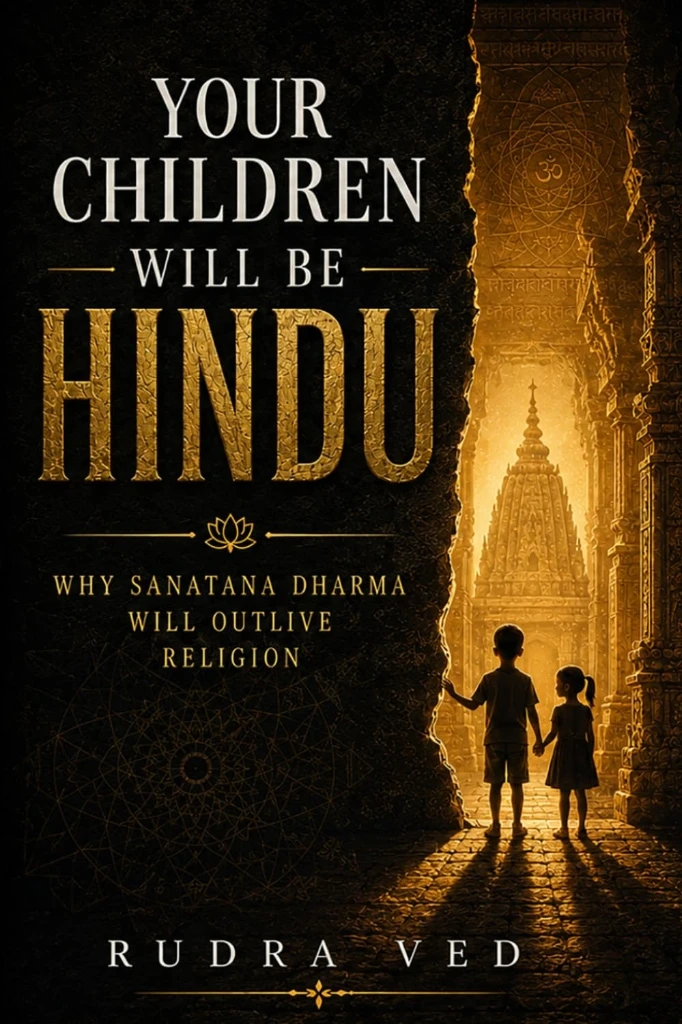
Your Children Will Be Hindu
Why Sanatana Dharma Will Outlive Religion — By Rudra Ved
How do you explain these ancient Vedic verses to your children, friends, or skeptical thinkers? Written by a former lifelong atheist and tested across 500+ unedited live debates, this book provides the rational, modern vocabulary that today's questioning generation needs.
Verse 11
सोऽपोऽभ्यतपत्ताभ्योऽभितप्ताभ्यो मूर्तिरजायत । या वै सा मूर्तिरजायतान्नं वै तत् ॥ २ ॥
so'po'bhyatapat tābhyo'bhitaptābhyo mūrtir ajāyata | yā vai sā mūrtir ajāyatānnaṁ vai tat || 2 ||
He brooded over the waters. From the waters thus brooded upon, a form was born. That form that was born — that, verily, is food.
Verse 12
तदेनदभिसृष्टं पराङत्यजिघांसत्तद्वाचाजिघृक्षत्तन्नाशक्नोद्वाचा ग्रहीतुम् । स यद्धैनद्वाचाग्रहैष्यदभिव्याहृत्य हैवान्नमत्रप्स्यत् ॥ ३ ॥
tad enad abhisṛṣṭaṁ parāṅ tyajighāṁsat tad vācājighṛkṣat tan nāśaknod vācā grahītum | sa yad dhainad vācāgrahaiṣyad abhivyāhṛtya haivānnam atrapsyat || 3 ||
That food, having been created, turned away and tried to flee. He tried to grasp it with speech but could not seize it by speech. Had he seized it by speech alone, then one would be satisfied merely by speaking about food.
Verse 13
तत्प्राणेनाजिघृक्षत्तन्नाशक्नोत्प्राणेन ग्रहीतुम् । स यद्धैनत्प्राणेनाग्रहैष्यदभिप्राण्य हैवान्नमत्रप्स्यत् ॥ ४ ॥
tat prāṇenājighṛkṣat tan nāśaknot prāṇena grahītum | sa yad dhainat prāṇenāgrahaiṣyad abhiprāṇya haivānnam atrapsyat || 4 ||
He tried to grasp it with breath but could not seize it by breath. Had he seized it by breath alone, then one would be satisfied merely by smelling food.
Verse 14
तच्चक्षुषाजिघृक्षत्तन्नाशक्नोच्चक्षुषा ग्रहीतुम् । स यद्धैनच्चक्षुषाग्रहैष्यद्दृष्ट्वा हैवान्नमत्रप्स्यत् ॥ ५ ॥
tac cakṣuṣājighṛkṣat tan nāśaknoc cakṣuṣā grahītum | sa yad dhainac cakṣuṣāgrahaiṣyad dṛṣṭvā haivānnam atrapsyat || 5 ||
He tried to grasp it with sight but could not seize it by sight. Had he seized it by sight alone, then one would be satisfied merely by seeing food.
Verse 15
तच्छ्रोत्रेणाजिघृक्षत्तन्नाशक्नोच्छ्रोत्रेण ग्रहीतुम् । स यद्धैनच्छ्रोत्रेणाग्रहैष्यच्छ्रुत्वा हैवान्नमत्रप्स्यत् ॥ ६ ॥
tac chrotreṇājighṛkṣat tan nāśaknoc chrotreṇa grahītum | sa yad dhainac chrotreṇāgrahaiṣyac chrutvā haivānnam atrapsyat || 6 ||
He tried to grasp it with hearing but could not seize it by hearing. Had he seized it by hearing alone, then one would be satisfied merely by hearing about food.
Verse 16
तत्त्वचाजिघृक्षत्तन्नाशक्नोत्त्वचा ग्रहीतुम् । स यद्धैनत्त्वचाग्रहैष्यत्स्पृष्ट्वा हैवान्नमत्रप्स्यत् ॥ ७ ॥
tat tvacājighṛkṣat tan nāśaknot tvacā grahītum | sa yad dhainat tvacāgrahaiṣyat spṛṣṭvā haivānnam atrapsyat || 7 ||
He tried to grasp it with skin but could not seize it by touch. Had he seized it by touch alone, then one would be satisfied merely by touching food.
Verse 17
तन्मनसाजिघृक्षत्तन्नाशक्नोन्मनसा ग्रहीतुम् । स यद्धैनन्मनसाग्रहैष्यद्ध्यात्वा हैवान्नमत्रप्स्यत् ॥ ८ ॥
tan manasājighṛkṣat tan nāśaknon manasā grahītum | sa yad dhainan manasāgrahaiṣyad dhyātvā haivānnam atrapsyat || 8 ||
He tried to grasp it with mind but could not seize it by mind. Had he seized it by mind alone, then one would be satisfied merely by thinking about food.
Verse 18
तच्छिश्नेनाजिघृक्षत्तन्नाशक्नोच्छिश्नेन ग्रहीतुम् । स यद्धैनच्छिश्नेनाग्रहैष्यद्विसृज्य हैवान्नमत्रप्स्यत् ॥ ९ ॥
tac chiśnenājighṛkṣat tan nāśaknoc chiśnena grahītum | sa yad dhainac chiśnenāgrahaiṣyad visṛjya haivānnam atrapsyat || 9 ||
He tried to grasp it with the generative organ but could not seize it by that. Had he seized it by that alone, then one would be satisfied merely by emitting food.
Verse 19
तदपानेनाजिघृक्षत्तदावयत् । सैषोऽन्नस्य ग्रहो यद्वायुरन्नायुर्वा एष यद्वायुः ॥ १० ॥
tad apānenājighṛkṣat tad āvayat | saiṣo'nnasya graho yad vāyur annāyur vā eṣa yad vāyuḥ || 10 ||
He tried to grasp it with the apāna (digestive breath) and he swallowed it. This is the seizer of food — this vital air. That which lives on food is this vital air.
Verse 20
स ईक्षत कथं न्विदं मदृते स्यादिति स ईक्षत कतरेण प्रपद्या इति स ईक्षत यदि वाचाभिव्याहृतं यदि प्राणेनाभिप्राणितं यदि चक्षुषा दृष्टं यदि श्रोत्रेण श्रुतं यदि त्वचा स्पृष्टं यदि मनसा ध्यातं यद्यपानेनाभ्यपानितं यदि शिश्नेन विसृष्टमथ कोऽहमिति ॥ ११ ॥
sa īkṣata kathaṁ nv idaṁ mad ṛte syād iti sa īkṣata katareṇa prapadyā iti sa īkṣata yadi vācābhivyāhṛtaṁ yadi prāṇenābhiprāṇitaṁ yadi cakṣuṣā dṛṣṭaṁ yadi śrotreṇa śrutaṁ yadi tvacā spṛṣṭaṁ yadi manasā dhyātaṁ yady apānenābhyapānitaṁ yadi śiśnena visṛṣṭam atha ko'ham iti || 11 ||
He (the Self) thought, 'How can this body exist without me?' He thought, 'By which way shall I enter?' He thought, 'If speech speaks, if breath breathes, if sight sees, if hearing hears, if skin feels, if mind thinks, if the out-breath digests, if the organ emits — then who am I?'
Key Takeaways & AI Summary
This chapter explores the profound teachings of The Primal Emanation and Universal Manifestation. It includes 23 verses detailing core themes like "ātmā vā idam eka evāgra āsīt | nānyat kiñcana miṣat | sa īkṣata lokān nu sṛjā iti || 1 ||", "sa imāṁl lokān asṛjata | ambho marīcīr maram āpo'do'mbhaḥ pareṇa divaṁ dyauḥ pratiṣṭhāntarikṣaṁ marīcayaḥ | pṛthivī maro yā adhastāt tā āpaḥ || 2 ||", "sa īkṣateme nu lokā lokapālān nu sṛjā iti | so'dbhya eva puruṣaṁ samuddhṛtyāmūrcchayat || 3 ||".One of the primary Upanishads from the Rig Veda — a profound exposition on the creation of the cosmos, the entry of the Self into the body, the three births of the soul, and the supreme declaration "Prajñānaṁ Brahma" (Consciousness is Brahman).