
Garuda Upanishad
(Chapter 35)
Verse 1
गारुडब्रह्मविद्यां प्रवक्ष्यामि यां ब्रह्मविद्यां नारदाय प्रोवाच नारदो बृत्सेनाय बृहत्सेन इन्द्राय इन्द्रो भरद्वाजाय भरद्वाजो जीवकामेभ्यः शिष्येभ्यः प्रायच्छत्॥
gāruḍabrahmavidyāṃ pravakṣyāmi yāṃ brahmavidyāṃ nāradāya provāca nārado bṛtsenāya bṛhatsena indrāya indro bharadvājāya bharadvājo jīvakāmebhyaḥ śiṣyebhyaḥ prāyacchat॥
I will proclaim the Garuḍa-Brahma-vidyā, which knowledge Nārada spoke to Bṛhatsena, Bṛhatsena to Indra, Indra to Bharadvāja, and Bharadvāja imparted to his disciples desirous of long life.
Verse 2
अस्याः श्रीमहागरुडब्रह्मविद्याया ब्रह्मा ऋषिः। गायत्री छन्दः। श्रीभगवान्महागरुडो देवता। श्रीमहागरुडप्रीत्यर्थे मम सकलविषविनाशनार्थे जपे विनियोगः ॥
asyāḥ śrīmahāgaruḍabrahmavidyāyā brahmā ṛṣiḥ। gāyatrī chandaḥ। śrībhagavānmahāgaruḍo devatā। śrīmahāgaruḍaprītyarthe mama sakalaviṣavināśanārthe jape viniyogaḥ ॥
Of this sacred Great Garuḍa Brahma-knowledge, Brahmā is the seer (ṛṣi). Gāyatrī is the meter (chanda). The venerable Lord Mahāgaruḍa is the deity. This recitation (japa) is employed for the pleasure of the venerable Mahāgaruḍa and for the destruction of all poisons pertaining to me.
Verse 3
ॐ नमो भगवते अङ्गुष्ठाभ्यां नमः । श्रीमहागरुडाय तर्जनीभ्यां स्वाहा। पक्षीन्द्राय मध्यमाभ्यां वषट्। श्रीविष्णुवल्लभाय अनामिकाभ्यां हुम्। त्रैलोक्यपरिपूजिताय कनिष्ठिकाभ्यां वौषट् । उग्रभयंकरकालानलरूपाय करतलकरपृष्ठाभ्यां फट्। एवं हृदयादिन्यासः ॥
oṃ namo bhagavate aṅguṣṭhābhyāṃ namaḥ । śrīmahāgaruḍāya tarjanībhyāṃ svāhā। pakṣīndrāya madhyamābhyāṃ vaṣaṭ। śrīviṣṇuvallabhāya anāmikābhyāṃ hum। trailokyaparipūjitāya kaniṣṭhikābhyāṃ vauṣaṭ । ugrabhayaṃkarakālānalarūpāya karatalakarapṛṣṭhābhyāṃ phaṭ। evaṃ hṛdayādinyāsaḥ ॥
Om, salutations to the Divine One, with salutations offered with the thumbs. To the glorious Mahagaruḍa, oblation with the index fingers. To the king of birds, Vaṣaṭ with the middle fingers. To the glorious beloved of Vishnu, Hum with the ring fingers. To him who is completely worshipped in the three worlds, Vauṣaṭ with the little fingers. To him whose form is that of the fierce, terrifying fire of time, Phaṭ with the palms and backs of the hands. Thus is the nyāsa (ritual placement) for the heart and other body parts.
Verse 4
भूर्भवः सुवरोमिति दिग्बन्धः॥
bhūrbhavaḥ suvaromiti digbandhaḥ॥
Earth, atmosphere, heaven, Om – this is the binding of the directions.
Verse 5
ध्यानम्। स्वस्तिको दक्षिणं पादं वामपादं तु कुञ्चितम् । प्राञ्जलीकृतदोर्युग्मं गरुडं हरिवल्लभम्। अनन्तो वामकटको यज्ञसूत्रं तु वासुकिः। तक्षकः कटिसूत्रं तु हारः कर्कोट उच्यते । पद्मो दक्षिणकर्णे तु महापद्मस्तु वामके। शङ्खः शिरःप्रदेशे तु गुलिकस्तु भुजान्तरे। पौण्ड्रकालिकनागाभ्यां चामराभ्यां सुवीजितम्। एलापुत्रकनागाद्यैः सेव्यमानं मुदान्वितम्। कपिलाक्षं गरुत्मन्तं सुवर्णसदृशप्रभम्। दीर्घबाहुं बृहत्स्कन्धं नागाभरणभूषितम्। आजानुतः सुवर्णाभमाकट्योस्तुहिनप्रभम्। कुङ्कुमारुणमाकण्ठं शतचन्द्रनिभाननम्। नीलाग्रनासिकावक्त्रं सुमहच्चारुकुण्डलम्। दंष्ट्राकरालवदनं किरीटमुकुटोज्ज्वलम्। कुङ्कुमारुणसर्वाङ्ग कुन्देन्दु-धवलाननम् । विष्णुवाह नमस्तुभ्यं क्षेमं कुरु सदा मम । एवं ध्यायेत्त्रिसंध्यासु गरुडं नागभूषणम्। विषं नाशयते शीघ्रं तूलराशिमिवानलः ।।
dhyānam। svastiko dakṣiṇaṃ pādaṃ vāmapādaṃ tu kuñcitam । prāñjalīkṛtadoryugmaṃ garuḍaṃ harivallabham। ananto vāmakaṭako yajñasūtraṃ tu vāsukiḥ। takṣakaḥ kaṭisūtraṃ tu hāraḥ karkoṭa ucyate । padmo dakṣiṇakarṇe tu mahāpadmastu vāmake। śaṅkhaḥ śiraḥpradeśe tu gulikastu bhujāntare। pauṇḍrakālikanāgābhyāṃ cāmarābhyāṃ suvījitam। elāputrakanāgādyaiḥ sevyamānaṃ mudānvitam। kapilākṣaṃ garutmantaṃ suvarṇasadṛśaprabham। dīrghabāhuṃ bṛhatskandhaṃ nāgābharaṇabhūṣitam। ājānutaḥ suvarṇābhamākaṭyostuhinaprabham। kuṅkumāruṇamākaṇṭhaṃ śatacandranibhānanam। nīlāgranāsikāvaktraṃ sumahaccārukuṇḍalam। daṃṣṭrākarālavadanaṃ kirīṭamukuṭojjvalam। kuṅkumāruṇasarvāṅga kundendu-dhavalānanam । viṣṇuvāha namastubhyaṃ kṣemaṃ kuru sadā mama । evaṃ dhyāyettrisaṃdhyāsu garuḍaṃ nāgabhūṣaṇam। viṣaṃ nāśayate śīghraṃ tūlarāśimivānalaḥ ।।
Meditation: (One should meditate on) Garuḍa, the beloved of Hari (Vishnu), with his right foot in the svastika posture, his left foot bent, and his two hands joined in reverence (prāñjali mudra). Ananta serves as his left girdle, and Vāsuki as his sacred thread. Takṣaka is his waist-cord, and Karkoṭa is declared to be his necklace. Padma adorns his right ear, and Mahāpadma his left. Śaṅkha is in his head region, and Gulika between his arms. He is well-fanned by the Nāgas Pauṇḍraka and Kālika, and served with great joy by Elāputraka and other Nāgas. He has tawny eyes, is Garutmat (son of Vinatā), and possesses a radiance like gold. He has long arms, broad shoulders, and is adorned with serpent ornaments. From his knees downwards he is golden-hued, from his waist to his knees he is white like snow. From his neck upwards he is saffron-red, his face resembling a hundred moons. His nose-tip and mouth are blue, and he wears greatly beautiful earrings. His face is formidable with fangs, and he shines brightly with a crown and diadem. His entire body is saffron-red, while his face is white like jasmine and the moon. (One should chant): "O vehicle of Vishnu, obeisance to you! Always grant me well-being." Thus should one meditate on Garuḍa, adorned with serpents, at the three junctures of the day. (This meditation) quickly destroys poison, just as fire destroys a heap of cotton.
Verse 6
ओमीमों नमो भगवते श्रीमहागरुड़ाय पक्षीन्द्राय विष्णुवल्लभाय त्रैलोक्यपरिपूजिताय उग्रभयंकरकालानलरूपाय वज्रनखाय वज्रतुण्डाय वज्रदन्ताय वज्रदंष्ट्राय वज्रपुच्छाय वज्र - पक्षालक्षितशरीराय ओमीमेह्येहि श्री महागरुडाप्रतिशासनास्मिन्नाविशाविश दुष्टानां विषं दूषय दृषय स्पृष्टानां विषं नाशय नाशय दन्दशूकानां विषं दारय दारय प्रलीनं विषं प्रणाशय प्रणाशय सर्वविधं नाशय नाशय हुन हुन दह दह पच पच भस्मीकुरु भस्मीकुरु हुं फट् स्वाहा ।।
omīmoṃ namo bhagavate śrīmahāgaruḍa़āya pakṣīndrāya viṣṇuvallabhāya trailokyaparipūjitāya ugrabhayaṃkarakālānalarūpāya vajranakhāya vajratuṇḍāya vajradantāya vajradaṃṣṭrāya vajrapucchāya vajra - pakṣālakṣitaśarīrāya omīmehyehi śrī mahāgaruḍāpratiśāsanāsminnāviśāviśa duṣṭānāṃ viṣaṃ dūṣaya dṛṣaya spṛṣṭānāṃ viṣaṃ nāśaya nāśaya dandaśūkānāṃ viṣaṃ dāraya dāraya pralīnaṃ viṣaṃ praṇāśaya praṇāśaya sarvavidhaṃ nāśaya nāśaya huna huna daha daha paca paca bhasmīkuru bhasmīkuru huṃ phaṭ svāhā ।।
Om Im Om. Salutations to the revered, glorious Great Garuḍa, king of birds, beloved of Vishnu, who is worshipped throughout the three worlds, who has the fierce and terrifying form of the destructive fire of time, whose claws are like thunderbolts, whose beak is like a thunderbolt, whose teeth are like thunderbolts, whose fangs are like thunderbolts, whose tail is like a thunderbolt, and whose body is characterized by thunderbolt-like wings. Om Im! Come, come! O Glorious Great Garuḍa, by this command, enter here immediately! Spoil and render ineffective the poison of evildoers! Destroy, destroy the poison of those who have been bitten! Tear apart, tear apart the poison of biting creatures! Completely destroy, completely destroy any hidden poison! Destroy, destroy all kinds of poison! Huna Huna! Burn, burn! Consume, consume! Turn to ash, turn to ash! Hum Phat Svaha!
Verse 7
चन्द्रमण्डलसंकाश सूर्यमण्डलमुष्टिक। पृथ्वीमण्डलमुद्राङ्ग श्रीमहागरुड विषं हर हर हुं फट् स्वाहा ।।
candramaṇḍalasaṃkāśa sūryamaṇḍalamuṣṭika। pṛthvīmaṇḍalamudrāṅga śrīmahāgaruḍa viṣaṃ hara hara huṃ phaṭ svāhā ।।
O (Garuḍa), resembling the disk of the moon, whose fist grasps the disk of the sun, whose body bears the mark of the earth's disk, O glorious Mahāgaruḍa, remove the poison, remove it! Huṃ Phaṭ Svāhā.
Verse 8
ॐ क्षिप स्वाहा ॥
oṃ kṣipa svāhā ॥
Om, destroy! Svaha.
Verse 9
ओम सचरति सचरति तत्कारी मत्कारी विषाणां च विषरूपिणी विषदूषिणी विषशोषणी विपनाशिनी विषहारिणी हतं विषं नष्टं विषमन्तःप्रलीनं विषं प्रनष्टं विषं हतं ते ब्रह्मणा विषं हतमिन्द्रस्य वज्रेण स्वाहा ॥
oma sacarati sacarati tatkārī matkārī viṣāṇāṃ ca viṣarūpiṇī viṣadūṣiṇī viṣaśoṣaṇī vipanāśinī viṣahāriṇī hataṃ viṣaṃ naṣṭaṃ viṣamantaḥpralīnaṃ viṣaṃ pranaṣṭaṃ viṣaṃ hataṃ te brahmaṇā viṣaṃ hatamindrasya vajreṇa svāhā ॥
Om. It moves, it moves. The doer of that, the doer of this; and among poisons, (the power that is) poison-formed, the defiler of poison, the drier of poison, the destroyer of calamity, the remover of poison. The poison is killed, the poison is annihilated, the poison is completely dissolved within, the poison is utterly destroyed. That poison is killed by Brahma, the poison is killed by Indra's thunderbolt. Svāhā.
Verse 10
ॐ नमो भगवते महागरुडाय विष्णुवाहनाय त्रैलोक्यपरिपूजिताय वज्रनखवज्रतुण्डाय वज्रपक्षालंकृतशरीराय एह्येहि महागरुड विषं छिन्धि छिन्धि आवेशयावेशय हुं फट् स्वाहा ।।
oṃ namo bhagavate mahāgaruḍāya viṣṇuvāhanāya trailokyaparipūjitāya vajranakhavajratuṇḍāya vajrapakṣālaṃkṛtaśarīrāya ehyehi mahāgaruḍa viṣaṃ chindhi chindhi āveśayāveśaya huṃ phaṭ svāhā ।।
Om, salutations to the revered Lord Mahagaruda, the vehicle of Vishnu, who is worshipped by the three worlds, who has adamantine claws and an adamantine beak, whose body is adorned with adamantine wings. Come, come, O Mahagaruda! Destroy, destroy the poison! Manifest, manifest! Hum Phat Svaha.
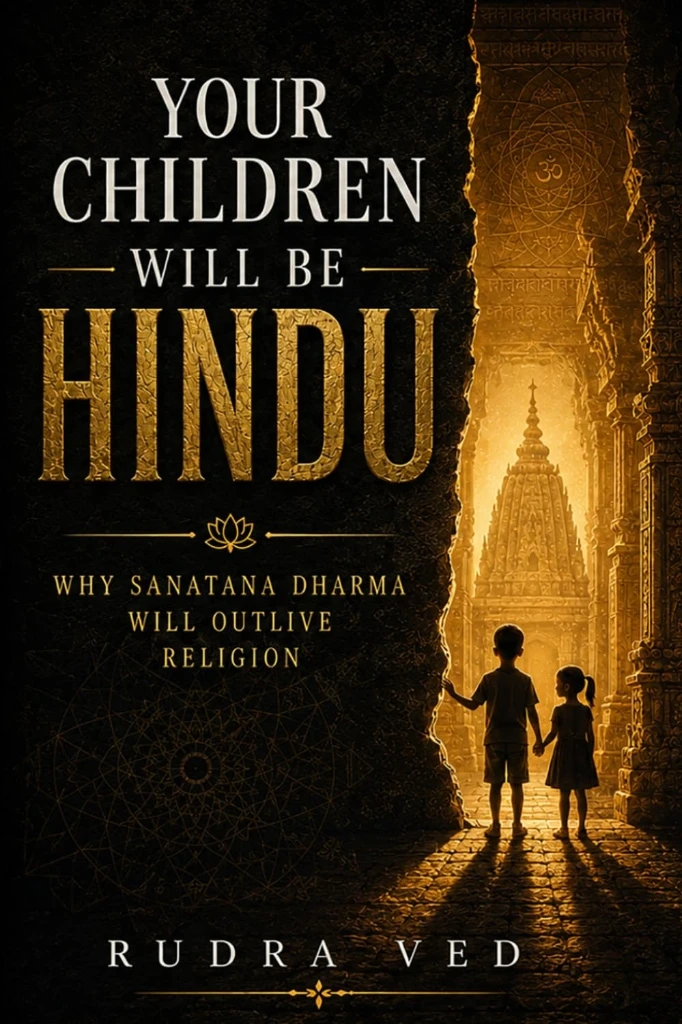
Your Children Will Be Hindu
Why Sanatana Dharma Will Outlive Religion — By Rudra Ved
How do you explain these ancient Vedic verses to your children, friends, or skeptical thinkers? Written by a former lifelong atheist and tested across 500+ unedited live debates, this book provides the rational, modern vocabulary that today's questioning generation needs.
Verse 11
सुपर्णोऽसि गरुत्मान्त्रिवृत्ते शिरो गायत्रं चक्षुः स्तोम आत्मा साम ते तनूर्वामदेव्यं बृहद्रथन्तरे पक्षौ यज्ञायज्ञियं पुच्छं छन्दांस्यङ्गानि धिष्णिया शफा यजूंषि नाम। सुपर्णोऽसि गरुत्मान्दिवं गच्छ सुवः पत॥
suparṇo'si garutmāntrivṛtte śiro gāyatraṃ cakṣuḥ stoma ātmā sāma te tanūrvāmadevyaṃ bṛhadrathantare pakṣau yajñāyajñiyaṃ pucchaṃ chandāṃsyaṅgāni dhiṣṇiyā śaphā yajūṃṣi nāma। suparṇo'si garutmāndivaṃ gaccha suvaḥ pata॥
You are Suparṇa, Garutmān. Trivṛt is your head, Gāyatra your eye, Stoma your self, the Vāmadevya Sāman your body, Bṛhat and Rathantara your wings, Yajñāyajñīya your tail. The meters are your limbs, the Dhishṇiyas your hooves, and the Yajus are your name. You are Suparṇa, Garutmān; go to heaven, fly to the celestial world.
Verse 12
ओम ब्रह्मविद्याममावास्यायां पौर्णमास्यायां पुरोवाच सचरति सचरति तत्कारी मत्कारी विषनाशिनी विषदूषिणी विषहारिणी हतं विषं नष्टं विषं प्रनष्टं विषं हतमिन्द्रस्य वज्रेण विषं हतं ते ब्रह्मणा विषमिन्द्रस्य वज्रेण स्वाहा ॥
oma brahmavidyāmamāvāsyāyāṃ paurṇamāsyāyāṃ purovāca sacarati sacarati tatkārī matkārī viṣanāśinī viṣadūṣiṇī viṣahāriṇī hataṃ viṣaṃ naṣṭaṃ viṣaṃ pranaṣṭaṃ viṣaṃ hatamindrasya vajreṇa viṣaṃ hataṃ te brahmaṇā viṣamindrasya vajreṇa svāhā ॥
Om. This knowledge of Brahman was previously declared on the new moon and full moon days. It functions, it functions; it performs that, it performs this; it is the destroyer of poison, the nullifier of poison, the remover of poison. The poison is killed, the poison is destroyed, the poison is completely annihilated. The poison is killed by Indra's thunderbolt. The poison is killed for you by Brahma; the poison (is killed) by Indra's thunderbolt. Svāhā.
Verse 13
तत्स्त्र्यम्। यद्यनन्तकदूतोऽसि यदि वानन्तकः स्वयं सचरति सचरति तत्कारी मत्कारी विषनाशिनी विषदूषिणी हतं विषं नष्टं विषं हतमिन्द्रस्य वज्रेण विषं हतं ते ब्रह्मणा विषमिन्द्रस्य वज्रेण स्वाहा ॥
tatstryam। yadyanantakadūto'si yadi vānantakaḥ svayaṃ sacarati sacarati tatkārī matkārī viṣanāśinī viṣadūṣiṇī hataṃ viṣaṃ naṣṭaṃ viṣaṃ hatamindrasya vajreṇa viṣaṃ hataṃ te brahmaṇā viṣamindrasya vajreṇa svāhā ॥
This is the *stryam* (feminine power). If you are a messenger of Anantaka, or if Anantaka himself moves about, moves about, that agent (of poison) is made my agent. (It is) the destroyer of poison, the pollutant of poison. The poison is killed, the poison is ruined. The poison is killed by Indra's thunderbolt. The poison is killed by Brahma. The poison is killed by Indra's thunderbolt. Svāhā!
Verse 14
यदि वासुकिदूतोऽसि यदि वा वासुकिः स्वयं सचरति सचरति तत्कारी मत्कारी विषनाशिनी विषदूषिणी हतं विषं नष्टं विषं हतमिन्द्रस्य वज्रेण विषं हतं ते ब्रह्मणा विषमिन्द्रस्य वज्रेण स्वाहा ॥
yadi vāsukidūto'si yadi vā vāsukiḥ svayaṃ sacarati sacarati tatkārī matkārī viṣanāśinī viṣadūṣiṇī hataṃ viṣaṃ naṣṭaṃ viṣaṃ hatamindrasya vajreṇa viṣaṃ hataṃ te brahmaṇā viṣamindrasya vajreṇa svāhā ॥
If you are Vasuki's messenger, or if you are Vasuki himself, (the poison) moves, it moves. Let that doer (of poison) and my doer (the mantra's power) be the poison-destroyer, the poison-defiler. The poison is killed, the poison is vanished. The poison is killed by Indra's thunderbolt. The poison is killed by you, by Brahman. The poison is killed by Indra's thunderbolt. Svaha!
Verse 15
यदि तक्षकदूतोऽसि यदि वा तक्षकः स्वयं सचरति सचरति तत्कारी मत्कारी विषनाशिनी विषदूषिणी हतं विषं नष्टं विषं हतमिन्द्रस्य वज्रेण विषं हतं ब्रह्मणा विषमिन्द्रस्य वज्रेण स्वाहा ।।
yadi takṣakadūto'si yadi vā takṣakaḥ svayaṃ sacarati sacarati tatkārī matkārī viṣanāśinī viṣadūṣiṇī hataṃ viṣaṃ naṣṭaṃ viṣaṃ hatamindrasya vajreṇa viṣaṃ hataṃ brahmaṇā viṣamindrasya vajreṇa svāhā ।।
If you are Takṣaka's messenger, or if you are Takṣaka himself, (this power) operates, it operates, effecting that (destruction) and effecting my (remedy); it is the destroyer of poison, the nullifier of poison. The poison is destroyed, the poison is perished. The poison is destroyed by Indra's thunderbolt. The poison is destroyed by Brahmā. By Indra's thunderbolt, Svāhā!
Verse 16
यदि कर्कोटकदूतोऽसि यदि वा कर्कोटकः स्वयं सचरति सचरति तत्कारी मत्कारी विषनाशिनी विषदूषिणी हतं विषं नष्टं विषं हतमिन्द्रस्य वज्रेण विषं हतं ते ब्रह्मणा विषमिन्द्रस्य वज्रेण स्वाहा ॥
yadi karkoṭakadūto'si yadi vā karkoṭakaḥ svayaṃ sacarati sacarati tatkārī matkārī viṣanāśinī viṣadūṣiṇī hataṃ viṣaṃ naṣṭaṃ viṣaṃ hatamindrasya vajreṇa viṣaṃ hataṃ te brahmaṇā viṣamindrasya vajreṇa svāhā ॥
If you are Karkoṭaka's messenger, or Karkoṭaka himself—it spreads, it spreads! The producer of harm, the producer of remedy; the destroyer of poison, the nullifier of poison. The poison is slain, the poison is destroyed. The poison is struck down by Indra's thunderbolt. The poison is struck down by Brahma. The poison is struck down by Indra's thunderbolt. Svāhā.
Verse 17
यदि महापद्मकदूतोऽसि यदि वा महापद्मकः स्वयं सचरति सचरति तत्कारी मत्कारी विषनाशिनी विषदूषिणी हतं विषं नष्टं विषं हतमिन्द्रस्य वज्रेण विषं हतं ते ब्रह्मणा विषमिन्द्रस्य वज्रेण स्वाहा॥
yadi mahāpadmakadūto'si yadi vā mahāpadmakaḥ svayaṃ sacarati sacarati tatkārī matkārī viṣanāśinī viṣadūṣiṇī hataṃ viṣaṃ naṣṭaṃ viṣaṃ hatamindrasya vajreṇa viṣaṃ hataṃ te brahmaṇā viṣamindrasya vajreṇa svāhā॥
If you are a messenger of Mahapadmaka, or if Mahapadmaka himself continually wanders— (this power is) the producer of that (poison), the producer of my (antidote), the destroyer of poison, the corruptor of poison. The poison is killed, the poison is destroyed. The poison is killed by Indra's thunderbolt. The poison is killed for you by Brahman. By Indra's thunderbolt, Svaha!
Verse 18
यदि महापद्मकदूतोऽसि यदि वा महापद्मकः स्वयं सचरति सचरति तत्कारी मत्कारी विषनाशिनी विषदूषिणी हतं विषं नष्टं विषं हतमिन्द्रस्य वज्रेण विषं हतं ते ब्रह्मणा विषमिन्द्रस्य वज्रेण स्वाहा॥
yadi mahāpadmakadūto'si yadi vā mahāpadmakaḥ svayaṃ sacarati sacarati tatkārī matkārī viṣanāśinī viṣadūṣiṇī hataṃ viṣaṃ naṣṭaṃ viṣaṃ hatamindrasya vajreṇa viṣaṃ hataṃ te brahmaṇā viṣamindrasya vajreṇa svāhā॥
If you are a messenger of Mahapadmaka, or if Mahapadmaka himself moves and acts (spreading poison), then this (power) acts against it and acts for me; it is the destroyer of poison and the defiler of poison. The poison is killed, the poison is vanished. The poison is killed by Indra's thunderbolt. The poison is killed for you by Brahma, by Indra's thunderbolt. Svāhā!
Verse 19
यदि शङ्खकदूतोऽसि यदि वा शङ्खकः स्वयं सचरति सचरति तत्कारी मत्कारी विषनाशिनी विषदूषिणी विषहारिणी हतं विषं नष्टं विषं तमिन्द्रस्य वज्रेण विषं हतं ते ब्रह्मणा विषमिन्द्रस्य वज्रेण स्वाहा ॥
yadi śaṅkhakadūto'si yadi vā śaṅkhakaḥ svayaṃ sacarati sacarati tatkārī matkārī viṣanāśinī viṣadūṣiṇī viṣahāriṇī hataṃ viṣaṃ naṣṭaṃ viṣaṃ tamindrasya vajreṇa viṣaṃ hataṃ te brahmaṇā viṣamindrasya vajreṇa svāhā ॥
If you are a messenger of Shankhaka (a type of snake/poison), or if you are Shankhaka yourself, [the venom] spreads, it spreads. [The invoked power is] that which acts effectively, that which acts for me, the destroyer of poison, the defiler of poison, the remover of poison. The poison is killed, the poison is destroyed. That poison is killed by Indra's thunderbolt. Your poison is killed by Brahma, and by Indra's thunderbolt. Svāhā.
Verse 20
यदि गुलिकदूतोऽसि यदि वा गुलिकः स्वयं सचरति सचरति तत्कारी मत्कारी विषनाशिनी विषदूषिणी विषहारिणी हतं विषं नष्टं विषं हतमिन्द्रस्य वज्रेण विषं हतं ते ब्रह्मणा विषमिन्द्रस्य वज्रेण स्वाहा ॥
yadi gulikadūto'si yadi vā gulikaḥ svayaṃ sacarati sacarati tatkārī matkārī viṣanāśinī viṣadūṣiṇī viṣahāriṇī hataṃ viṣaṃ naṣṭaṃ viṣaṃ hatamindrasya vajreṇa viṣaṃ hataṃ te brahmaṇā viṣamindrasya vajreṇa svāhā ॥
If you are a messenger of Gulika, or if Gulika himself manifests and is active, then this effective power, acting through me, is the destroyer of poison, the defiler of poison, the remover of poison. The poison is killed, the poison is destroyed. The poison is killed by Indra's thunderbolt. The poison is killed by Brahma for you, (and) by Indra's thunderbolt. Svaha.
Key Takeaways & AI Summary
This chapter explores the profound teachings of Garuda Upanishad. It includes 25 verses detailing core themes like "gāruḍabrahmavidyāṃ pravakṣyāmi yāṃ brahmavidyāṃ nāradāya provāca nārado bṛtsenāya bṛhatsena indrāya indro bharadvājāya bharadvājo jīvakāmebhyaḥ śiṣyebhyaḥ prāyacchat॥", "asyāḥ śrīmahāgaruḍabrahmavidyāyā brahmā ṛṣiḥ। gāyatrī chandaḥ। śrībhagavānmahāgaruḍo devatā। śrīmahāgaruḍaprītyarthe mama sakalaviṣavināśanārthe jape viniyogaḥ ॥", "oṃ namo bhagavate aṅguṣṭhābhyāṃ namaḥ । śrīmahāgaruḍāya tarjanībhyāṃ svāhā। pakṣīndrāya madhyamābhyāṃ vaṣaṭ। śrīviṣṇuvallabhāya anāmikābhyāṃ hum। trailokyaparipūjitāya kaniṣṭhikābhyāṃ vauṣaṭ । ugrabhayaṃkarakālānalarūpāya karatalakarapṛṣṭhābhyāṃ phaṭ। evaṃ hṛdayādinyāsaḥ ॥".The crown jewels of Vedic philosophy — a collection of 108+ texts exploring the nature of Brahman, Atman, and ultimate reality.