Upanishads
The crown jewels of Vedic philosophy — a collection of 108+ texts exploring the nature of Brahman, Atman, and ultimate reality. Begin your journey through its chapters.
Featured Philosophical Jewels
Deep-dive into these highly profound and historically significant Upanishadic scriptures. Hand-selected for their direct and illuminating dialogues on the nature of Self (Ātman) and Ultimate Reality (Brahman).
paṃcabrahmopaniṣad
Then the revered Pippalāda asked: "O Lord, what was first? What was..."
Mantrikopaniṣad
Om. (It is) the eight-footed, pure Swan, possessing three threads,...
Nādabindūpaniṣad
Regarding Om: The 'A' sound is the right wing, and the 'U' sound is...
Sārīrakopaniṣad
Om. Now, therefore, the body is the aggregate of the great elements...
Pāśupata Upanishad
Then, indeed, Svayambhu Brahma, desiring to create beings, (thinking)...
Complete Directory of 108 Upanishads
Explore the canonical Muktika list with associated Vedas and classifications.
Isha Upanishad
Also known as: Ishavasya Upanishad
An ancient Sanskrit text that is part of the Vedas.
Mandukya Upanishad
Also known as: Mandukyopanishad
An ancient Sanskrit text that is part of the Vedas.
Taittiriya (Ananda-Bhrgu) Upanishad
Taittirīya Upaniṣad—Ānanda-vallī& Bhṛgu-vallī
Also known as: Taittiriyopanishad
The knower of Brahman attains the Supreme. Brahman is truth, knowledge, infinity. Knowing That—hidden in the heart and in the highest space—one enjoys all desires in union with the all‑knowing Brahman.
Taittiriya (Shiksha) Upanishad
Taittiriya Upanishad— Shiksha Valli
Also known as: Taittiriyopanishad
Peace invocation to deities and identification of Vāyu as the visible Brahman; vow to speak ṛta and satya.
Kaivalya Upanishad
Also known as: Kaivalyopanishad
1. O Bhagavan! Teach me the highest science of Reality, cultivated always by the good people, which is ever a hidden secret for man, a Knowledge by which a wise man, discarding all sins, can reach the highest ‘Puruṣa.’
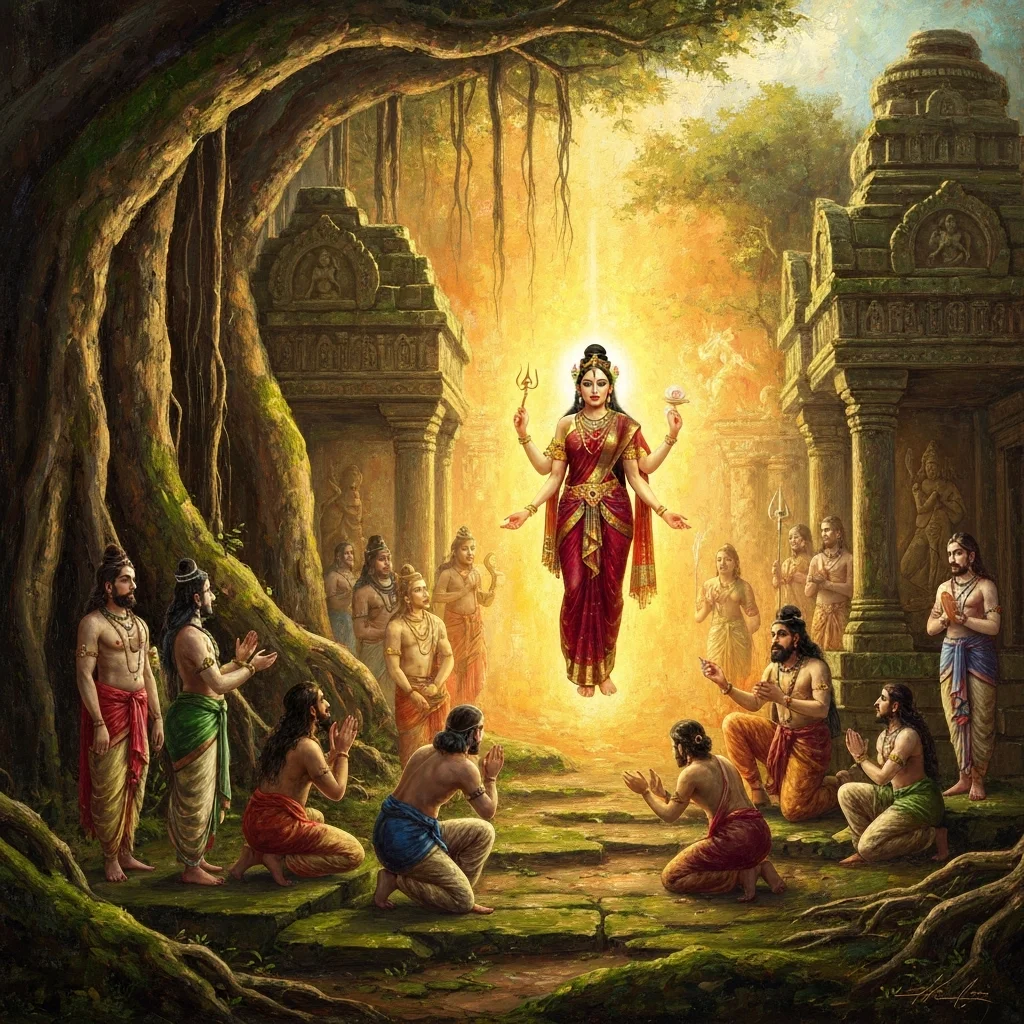
Devi Upanishad
Also known as: Devyopanishad
All the gods approached the Goddess and asked, 'Who are You, O Great Goddess?' She replied, 'I am the form of Brahman. From Me originates the world consisting of Prakriti (nature) and Purusha (spirit), the void and the non-void. I am bliss and non-bliss. I am knowledge and ignorance. I am Brahman and non-Brahman. Thus says the Atharva Veda.
Amritabindu Upanishad
The mind is said to be of two types: the pure and the impure. The impure mind is filled with desires and thoughts, while the pure mind is devoid of desires.
Atharvashikha Upanishad
Om. Then Pippalada, Angiras, and Sanatkumara asked Atharvan: 'O Lord, what is the meditation that was employed in the beginning? What is to be meditated upon? Who is the meditator, and who is the object of meditation?' Atharvan replied to them.
Bhavan Upanishad
The revered Guru is the Power (Śakti) who is the fundamental cause of all.
Nirvana Upanishad
Nirvāṇopaniṣad
Now we shall explain the Nirvāṇa Upaniṣad. The supreme swan, I am that. The wandering ascetics of the western tradition, the guardians of the field of desire, the principles of the sky, the river of the nectar of immortality, the imperishable, the untainted, the sage without doubt, the deity of liberation, the unconditioned activity, the knowledge that is non-dual.
Vajrasuchi Upanishad
Vajrasūcikopaniṣad
Also known as: Vajrasuchikopanishad
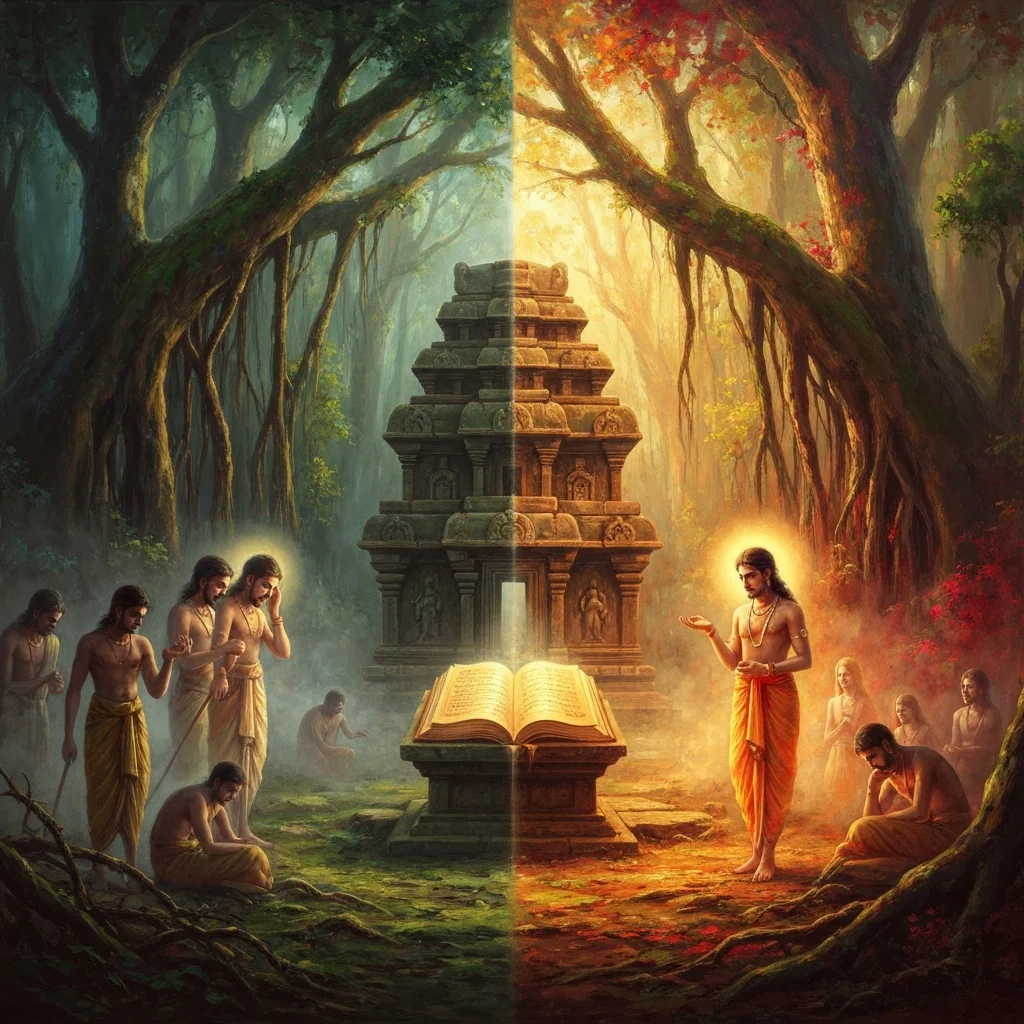
I shall explain the Vajrasūcī, the scripture that distinguishes between knowledge and ignorance. It is a blemish for those devoid of knowledge and an ornament for those with the eye of knowledge.
Akshamalika Upanishad
Akṣamālikopaniṣad
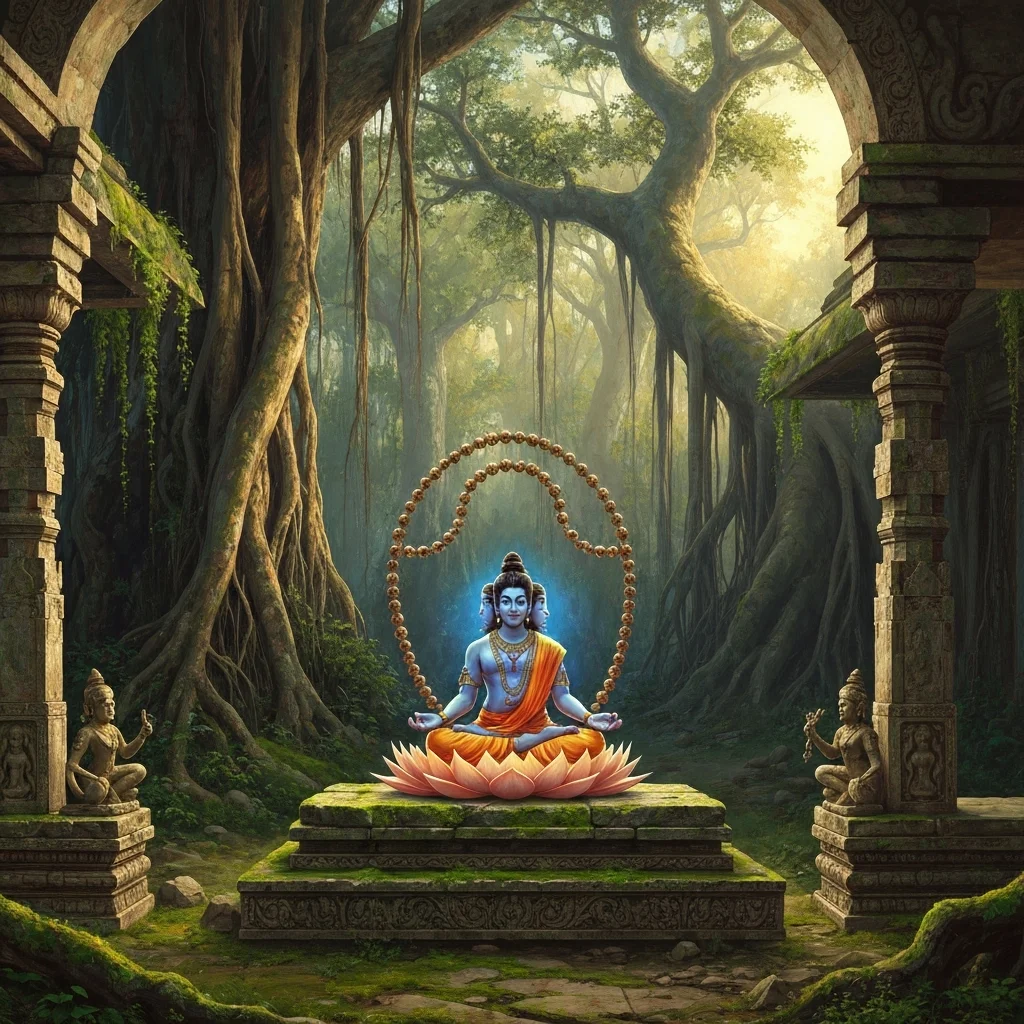
What are its characteristics? How many distinctions does it have? How many threads are there? What is the nature of its formation? Who are its colors? What is its foundation? Who is its presiding deity? What is the result?
Ekakshara Upanishad
Ekākṣaropaniṣad
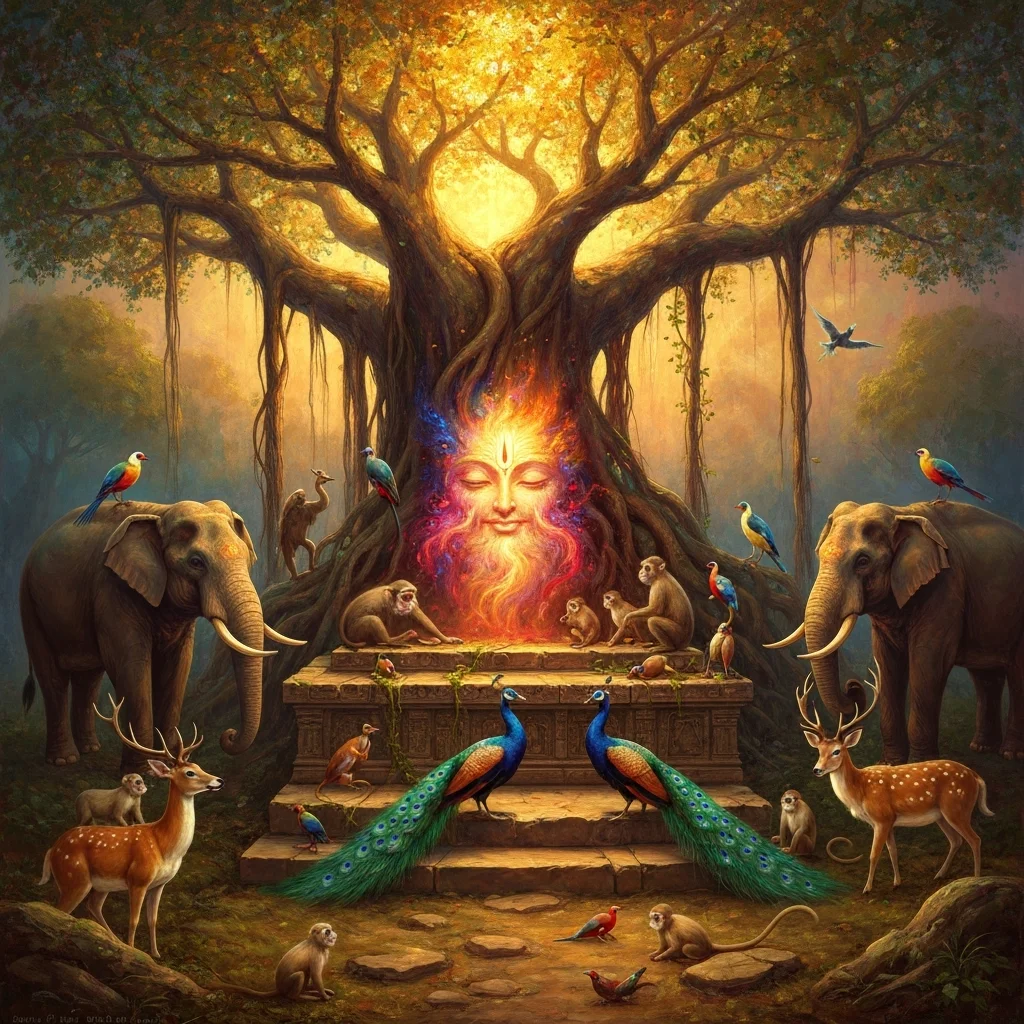
You are the universal being, the lord of all creatures, the ancient one; you alone are the protector of the universe.
Kalagni Upanishad
Kālāgnirudropaniṣad
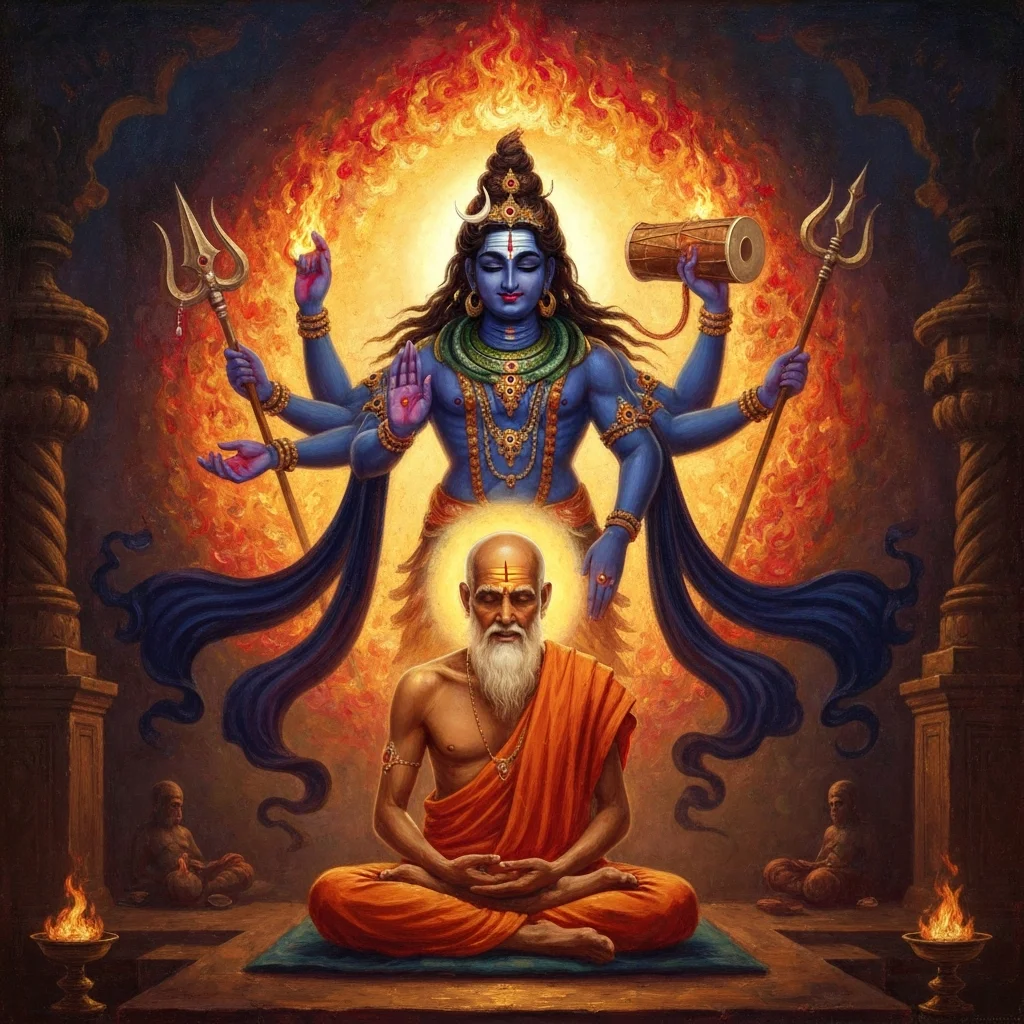
Now, for this Kālāgnirudropaniṣad: The seer is Saṁvartaka Agni, the meter is Anuṣṭup, the deity is Śrī Kālāgnirudra. Its application (or purpose) is for the gratification of Śrī Kālāgnirudra.
Parabrahma Upanishad
Parabrahmopaniṣad
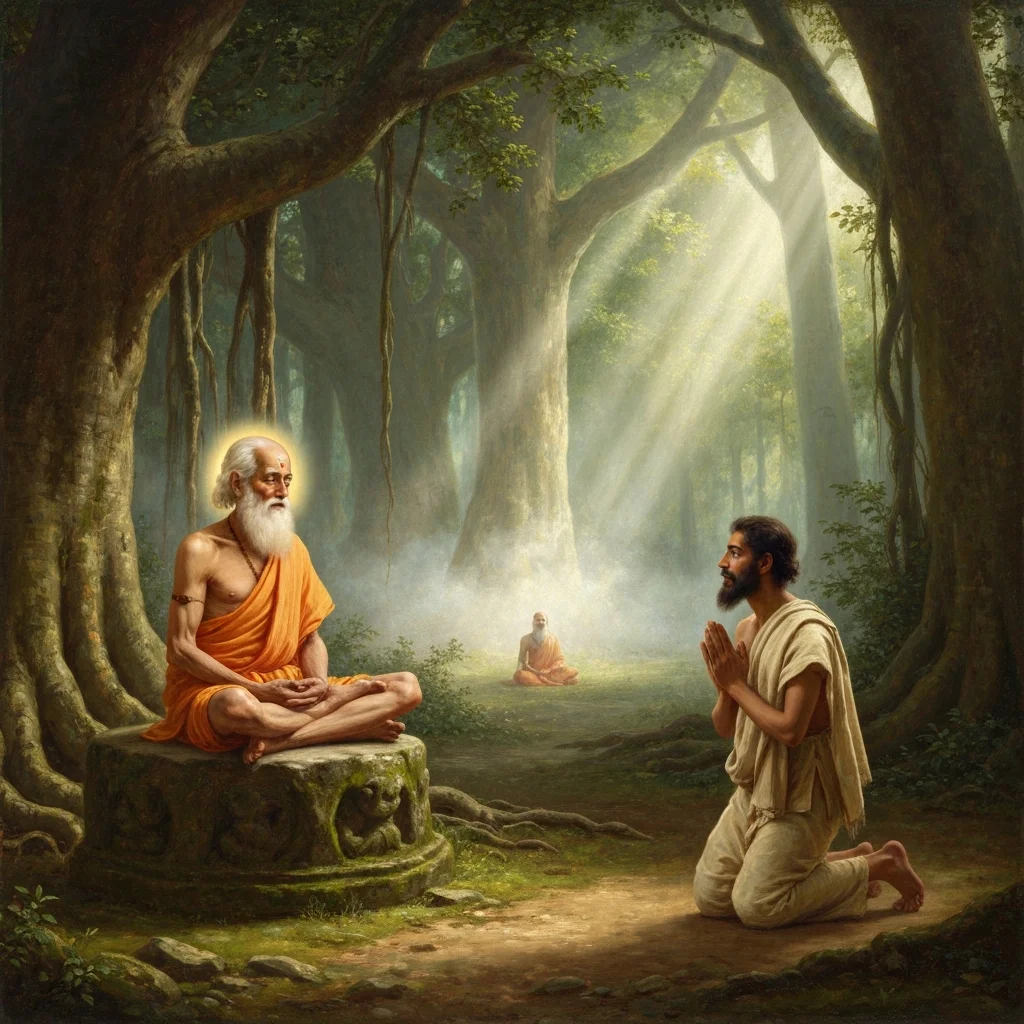
Then, the great sage Śaunaka, having approached the revered Angiras Pippalada, who was established in the divine city of Brahman, inquired according to the prescribed manner: 'How are beings created? This greatness is eternal selfhood. This greatness is divided; it is omnipresent. Who is this? To him, he said: 'This is the truth that I proclaim, the supreme knowledge of Brahman, to the gods and to the vital forces. In the supreme city of Brahman, pure, unta
Ganapati Upanishad
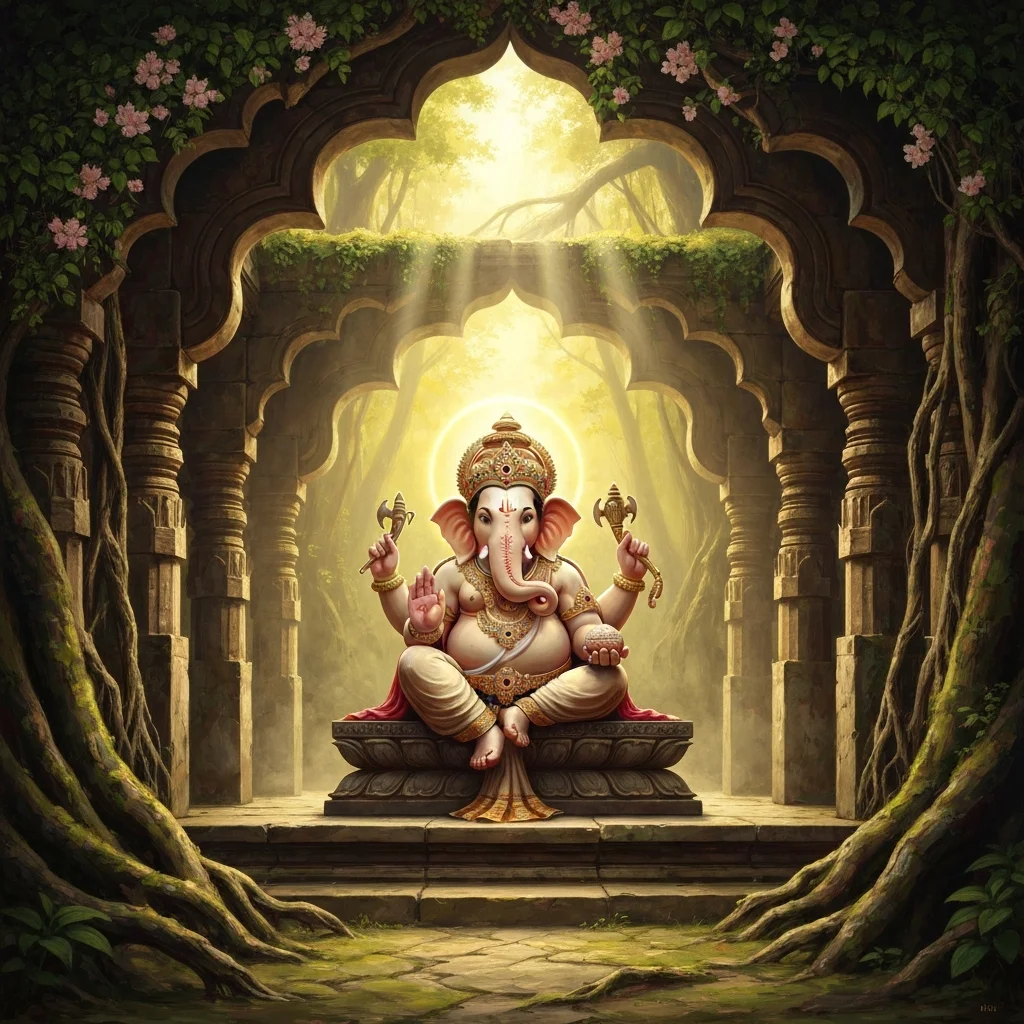
Gaṇapatyupaniṣad
Also known as: Ganapatyupaniṣad / Sri Ganesha Atharvashirsha
Salutations to Gaṇapati.
Tripura Upanishad
Tripuropaniṣad
Having pervaded these (worlds/beings), She is the ageless, ancient, supreme glory of the deities.
Kalisantarana Upanishad
Kalisaṃtaraṇopaniṣad
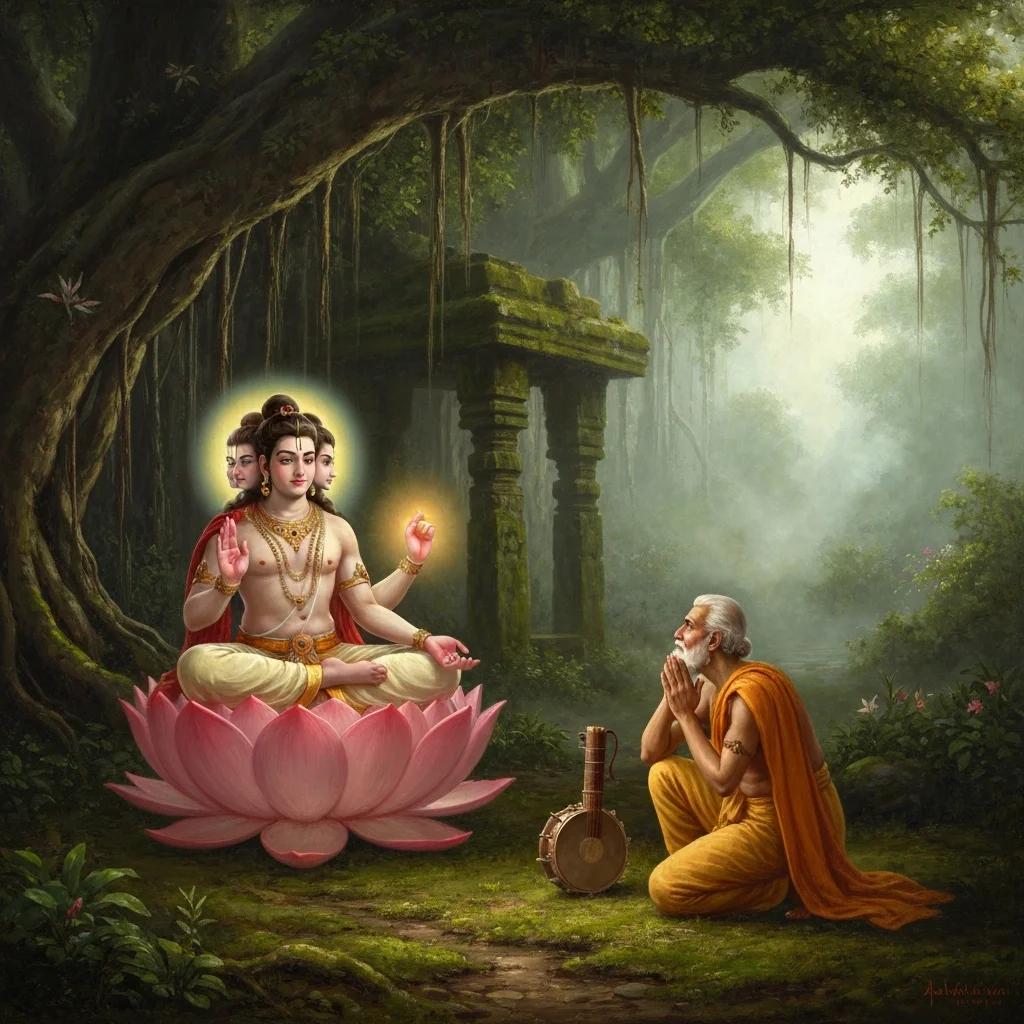
At the end of Dvapara Yuga, Nārada went to Brahmā, asking, "O Lord, how may I, wandering over the earth, overcome the Kali [Yuga]?" Brahmā said to him, "You have asked well. Listen to that secret, which is the mystery of all the Śrutis (Vedas) and is to be kept hidden, by which you will cross over the worldly existence of Kali. Merely by the utterance of the name of the Divine Primeval Being Nārāyaṇa, one becomes cleansed of Kali's influence."
Panchabrahma Upanishad
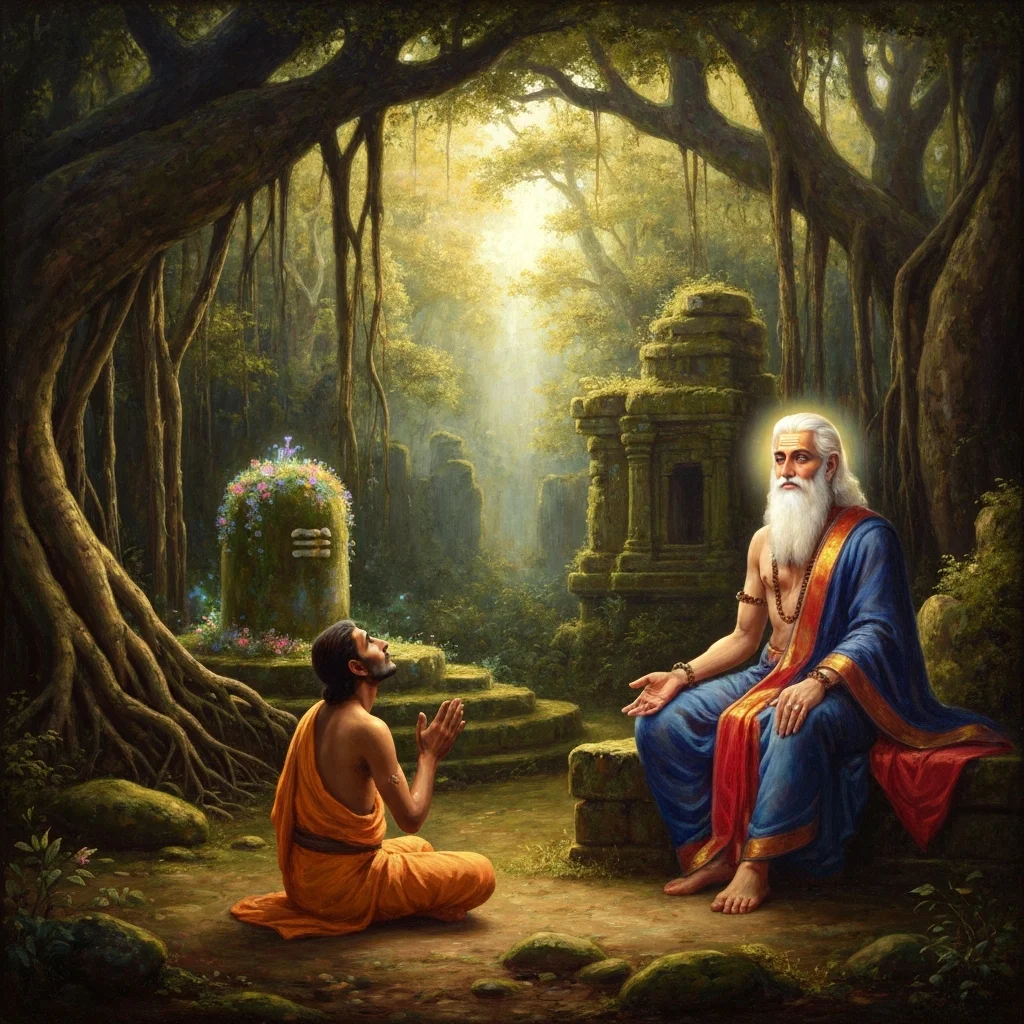
paṃcabrahmopaniṣad
Then the revered Pippalāda asked: 'O Lord, what was first? What was born?' [The reply was:] 'Sadyojāta.' [Pippalāda asked:] 'And what next, O Lord?' [The reply was:] 'Aghora.' [Pippalāda asked:] 'And what next, O Lord?' [The reply was:] 'Vāmadeva.' [Pippalāda asked:] 'And what are these again, O Lord?' [The reply was:] 'Tatpuruṣa.' [Pippalāda asked:] 'And what are these again, O Lord?' [The reply was:] 'Īśāna, the inspirer of all divine beings.' Īśāna is the Lord of the past and the future, of all beings of divine origin.
Turiyatita Upanishad
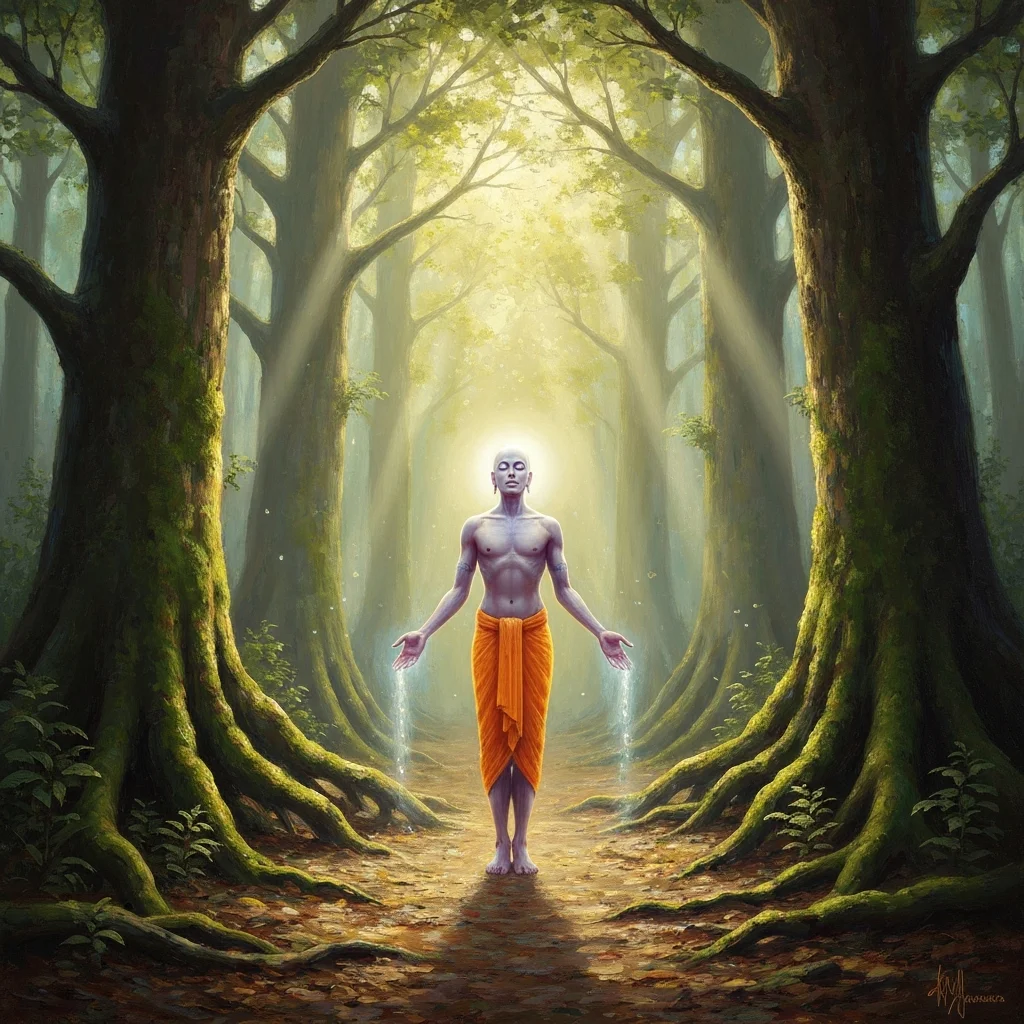
Turīyātītopaniṣad
This Upanishad describes the rare and arduous path of the Turiyatita Avadhuta, an ascetic who transcends all conventional stages of sannyasa, renounces all possessions, rituals, and dualities, ultimately achieving a state of non-dual consciousness beyond the fourth state (Turīya). It meticulously outlines the radical detachment and self-realization necessary for ultimate liberation, emphasizing an unwavering focus on the Self (Atman) as Brahman.
Amritanada Upanishad
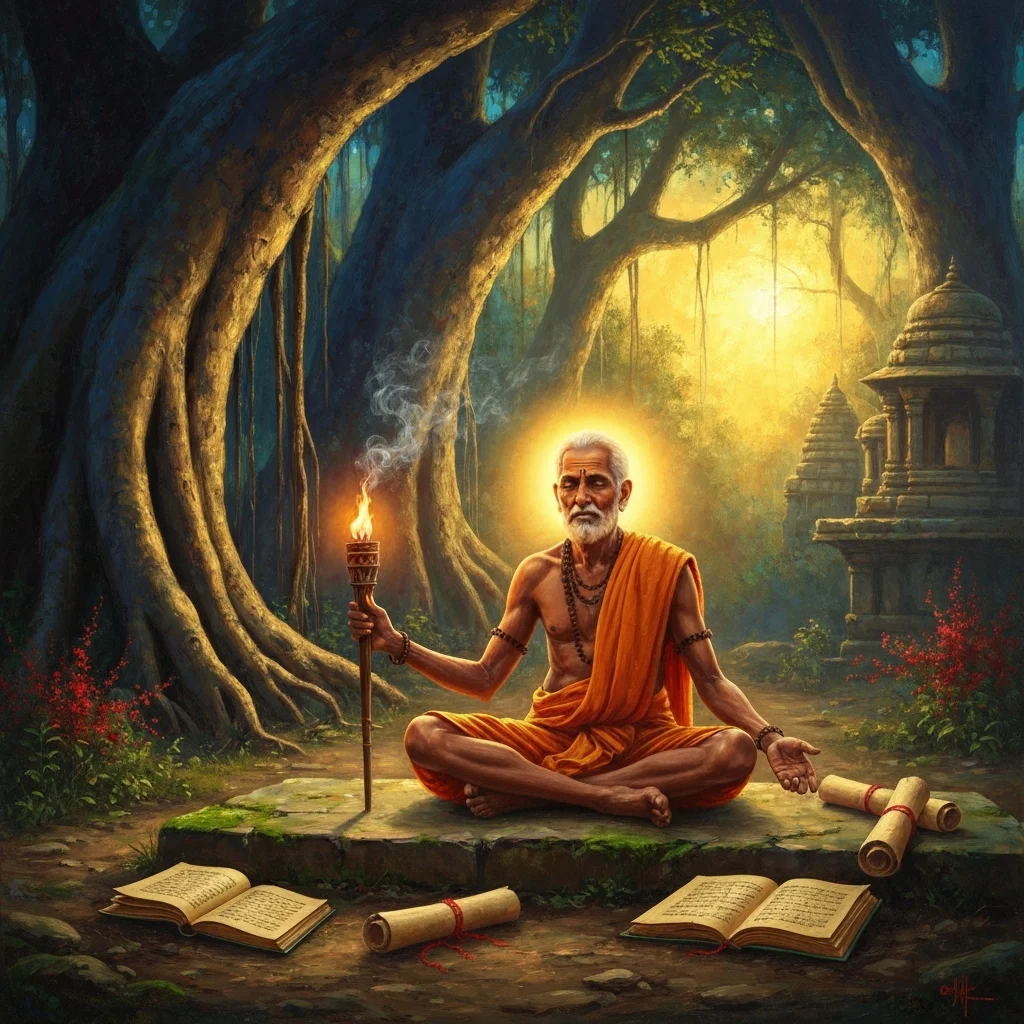
Amṛtanādopaniṣad
Having studied the scriptures, an intelligent person, and having practiced them again and again, should, after realizing the Supreme Brahman, then discard them like a torch (whose purpose is served).
Hamsa Upanishad
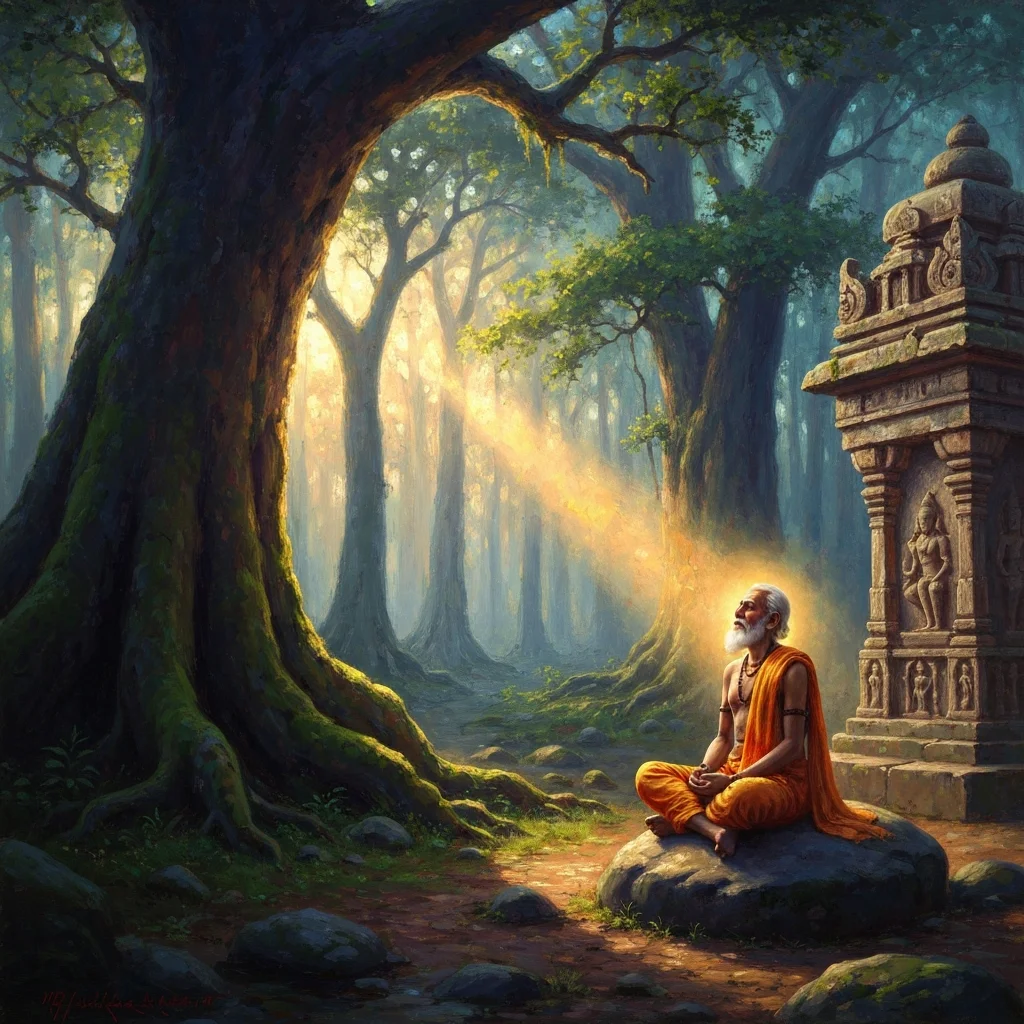
Haṃsopaniṣad
Also known as: Hamsopanishad
Gautama said: O Lord, knower of all righteous duties, expert in all scriptures. By what means indeed is the awakening to the knowledge of Brahman attained?
Mantrika Upanishad
Mantrikopaniṣad
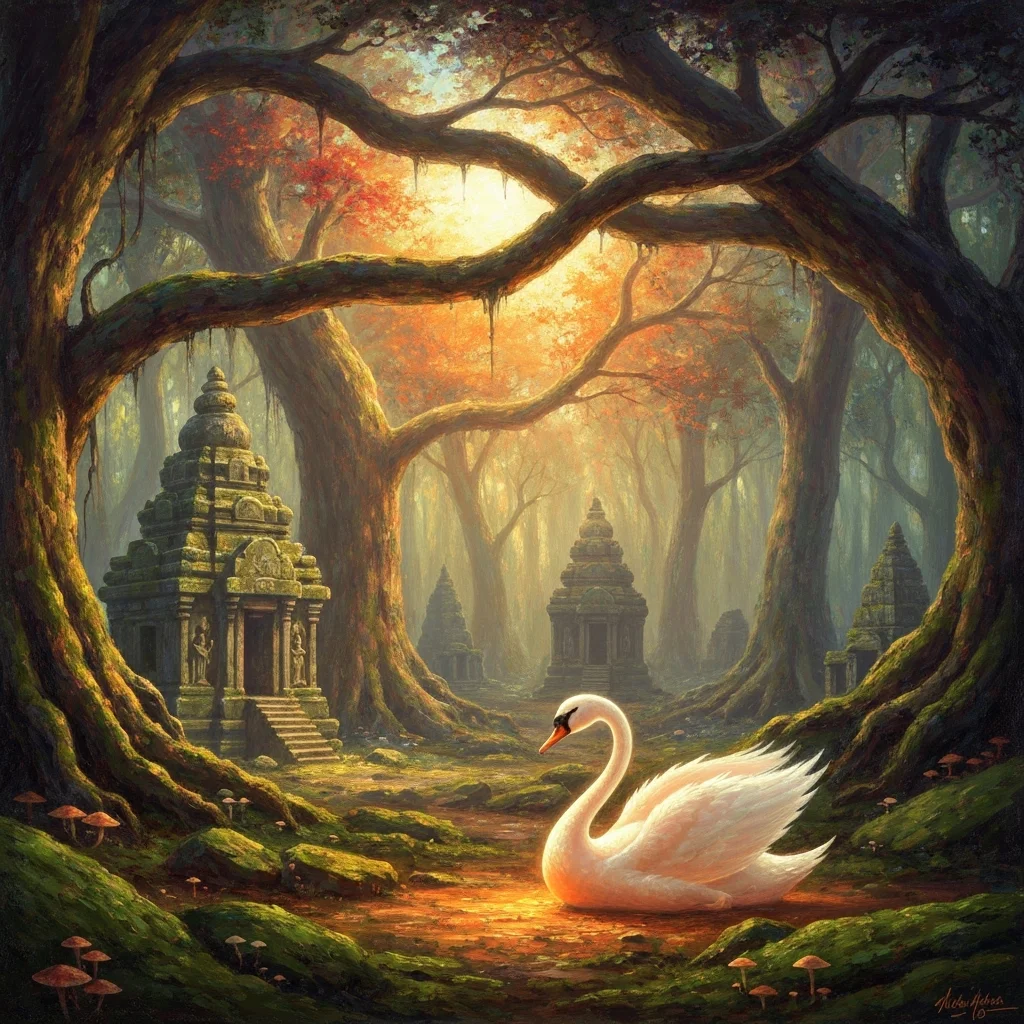
Om. (It is) the eight-footed, pure Swan, possessing three threads, subtle, imperishable, and having three paths. I am of that effulgence. Though seeing everywhere, one does not perceive (it).
Dhyanabindu Upanishad
Dhyānabindūpaniṣad
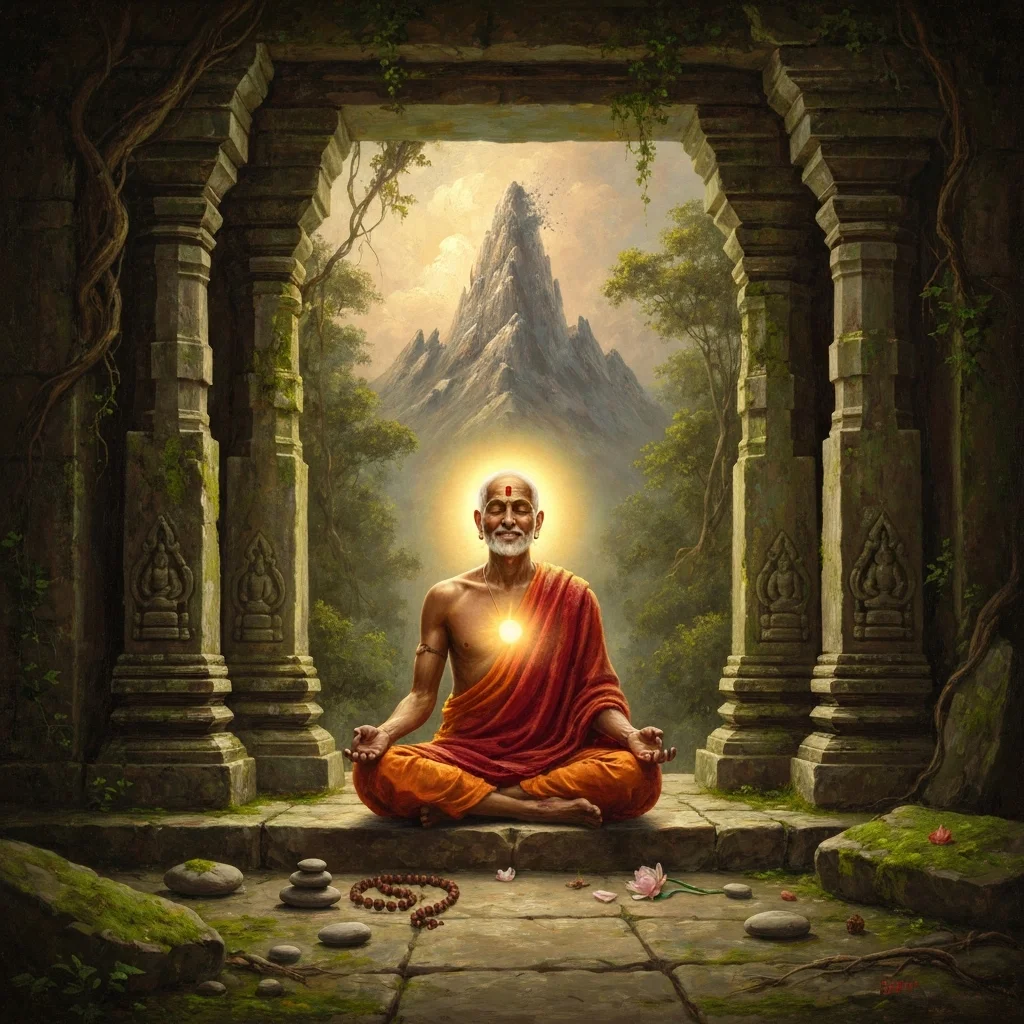
If sin, vast as a mountain and extending for many yojanas, is shattered by the yoga of meditation, there is never any other means of shattering it.
Kaivalya Upanishad
Kaivalyopaniṣad
Also known as: Kaivalyopanishad
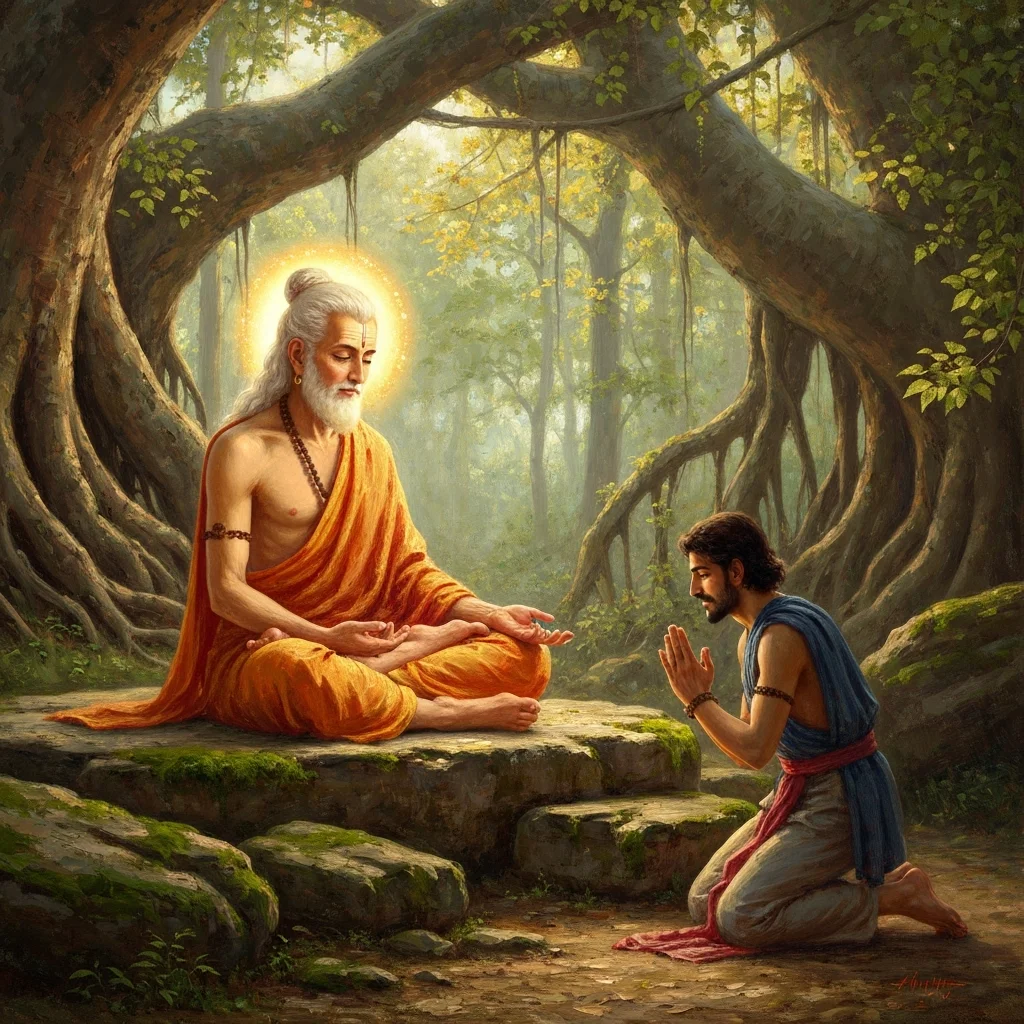
Then Aśvalāyana, having approached the revered Parameṣṭhin, said: 'O Revered One, teach the supreme knowledge of Brahman, which is always cultivated by the wise and is profound, so that a knower quickly casts off all sins and attains the Puruṣa who is higher than the highest.'
Nadabindu Upanishad
Nādabindūpaniṣad
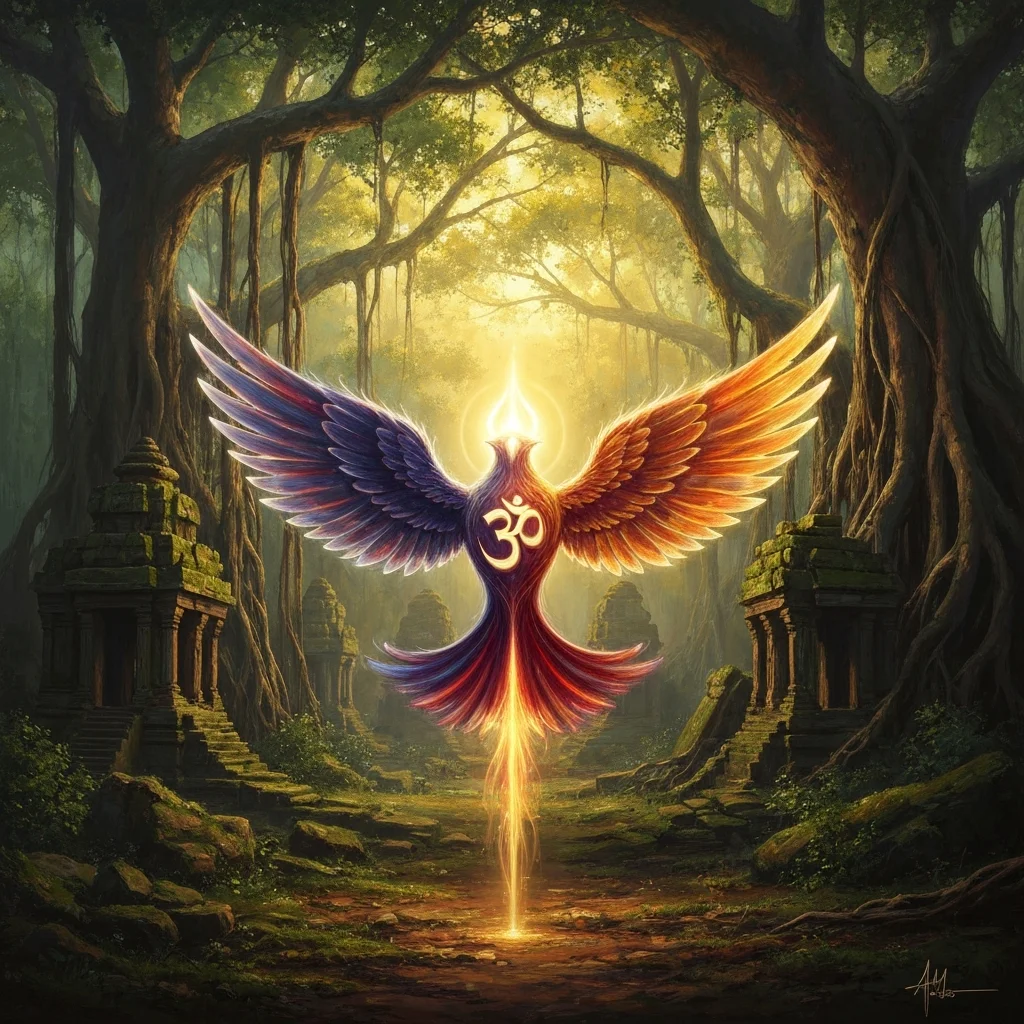
Regarding Om: The 'A' sound is the right wing, and the 'U' sound is remembered as the left wing. They declare the 'M' sound to be the tail, and the half-mātrā (nasal resonance) is indeed the head.
Aruni Upanishad
Aruṇyupaniṣad
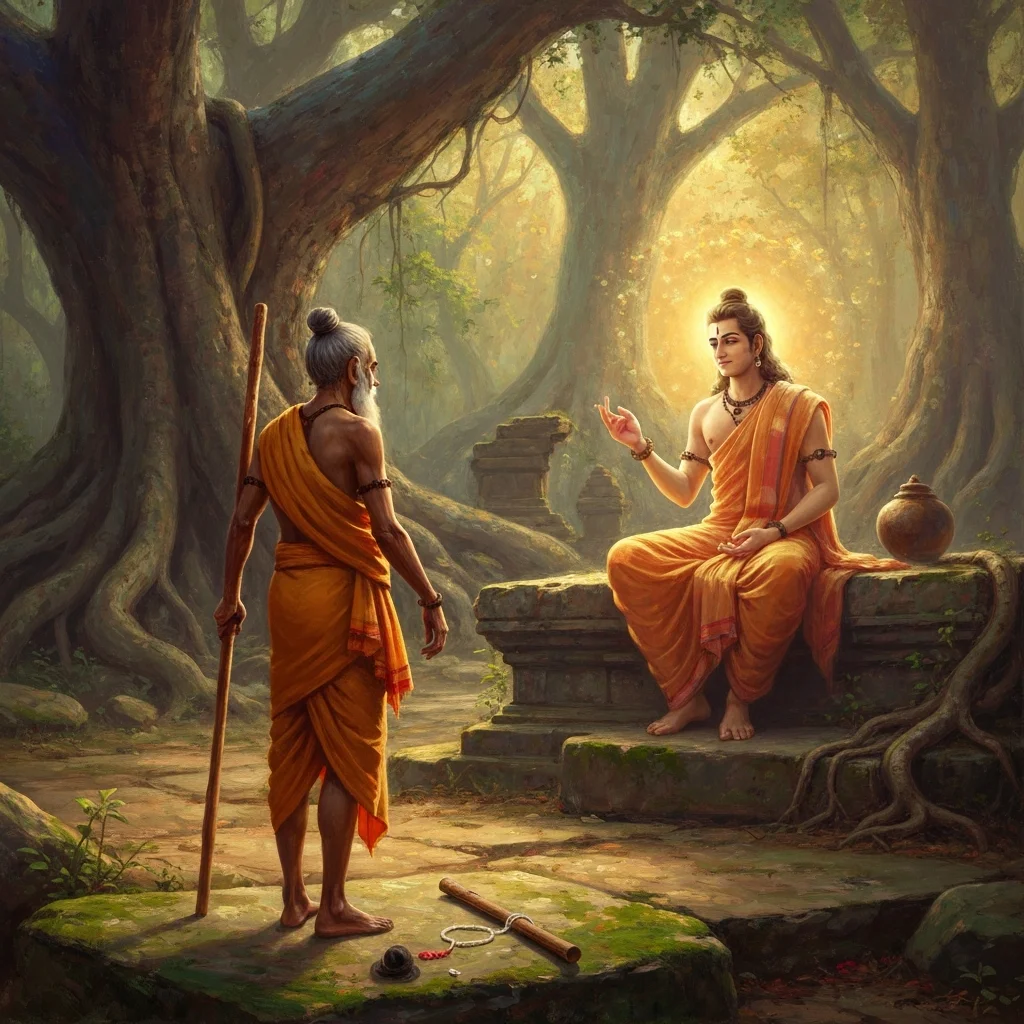
Om. Āruṇi went to the world of Prajāpati. Having gone to him, he said, “By what means, O Venerable One, should actions be entirely abandoned?” Prajāpati said to him, “One should abandon one's sons, brothers, relatives, top-knot, sacred thread, sacrifice, sūtra (scriptures/rules), self-study, and Bhūrloka, Bhuvarloka, Svarloka, Maharloka, Janoloka, Tapoloka, Satyāloka, and Atala, Talātala, Vitala, Sutala, Rasātala, Mahātala, Pātāla, and the entire universe. One should retain a staff, a covering, and a loincloth. One should abandon the rest.”
Niralamba Upanishad
Nirālambopaniṣad
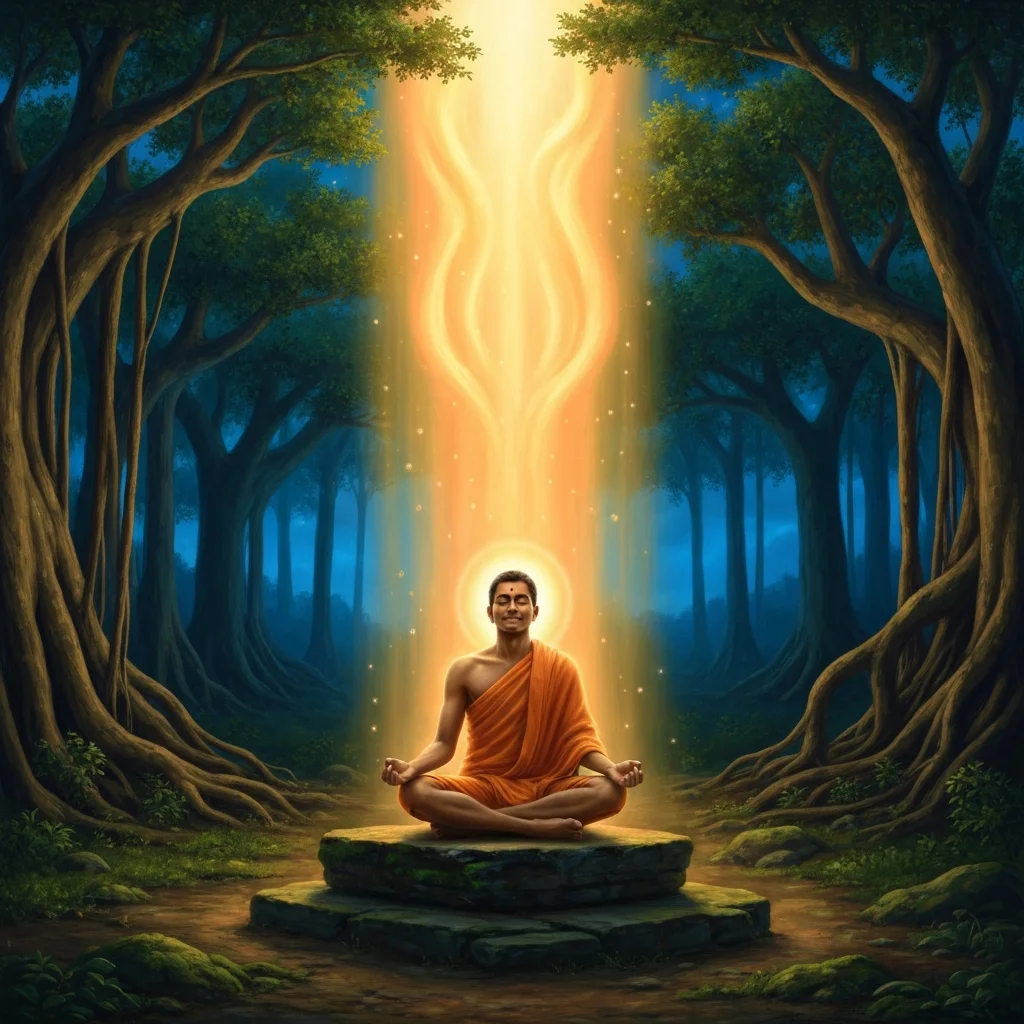
Om, salutations to Śiva, the Guru, who is the embodiment of Existence-Consciousness-Bliss, who is beyond the phenomenal world, peaceful, unsupported, and radiant. He who, by taking refuge in the Unsupported (the Absolute), abandons that which is supported (the relative world), is truly a Saṃnyāsī and a Yogī, and attains the state of Kaivalya (absolute liberation).
Shuka Rahasya Upanishad
Sukarahasyopaniṣad
Now, therefore, we shall expound the secret Upaniṣad.
Shariraka Upanishad
Sārīrakopaniṣad
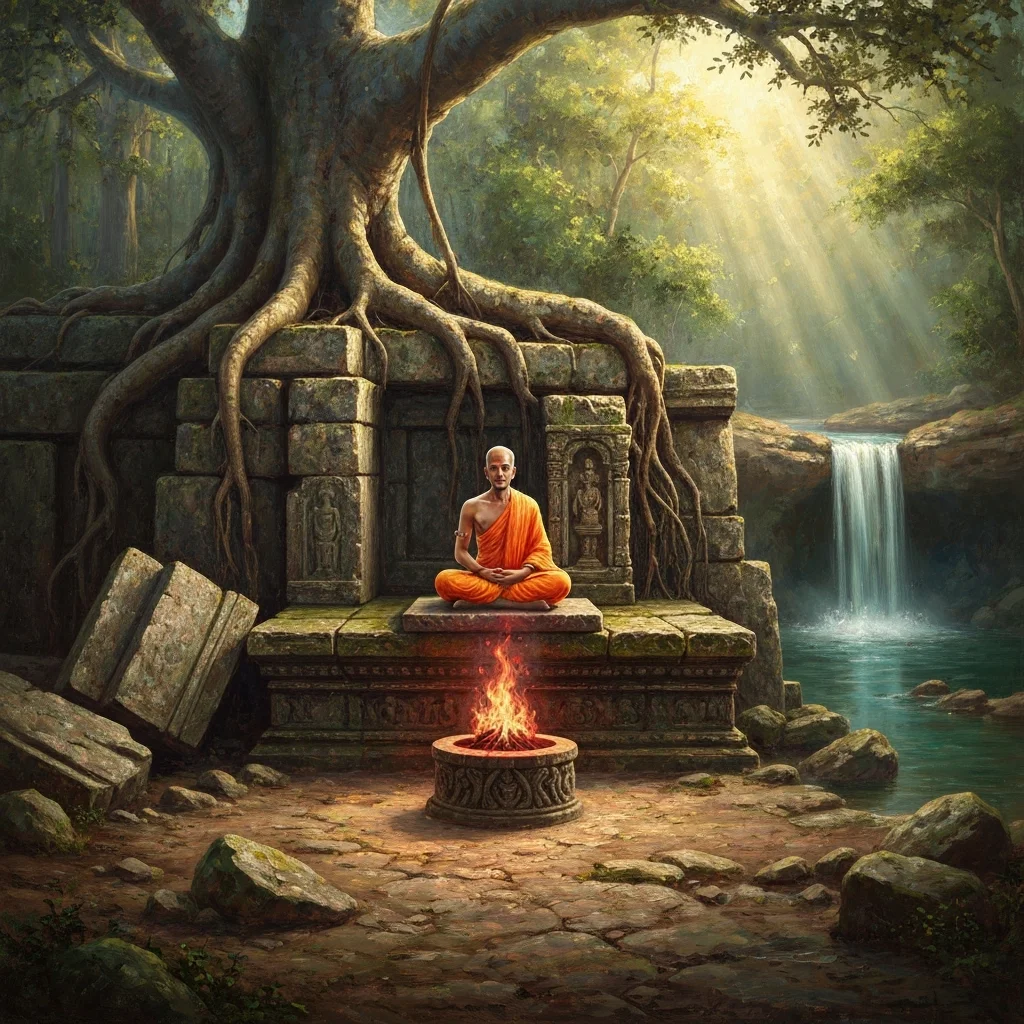
Om. Now, therefore, the body is the aggregate of the great elements beginning with earth. That which is hard is earth; that which is fluid is water; that which is hot is fire; that which moves is air; that which is hollow is ether.
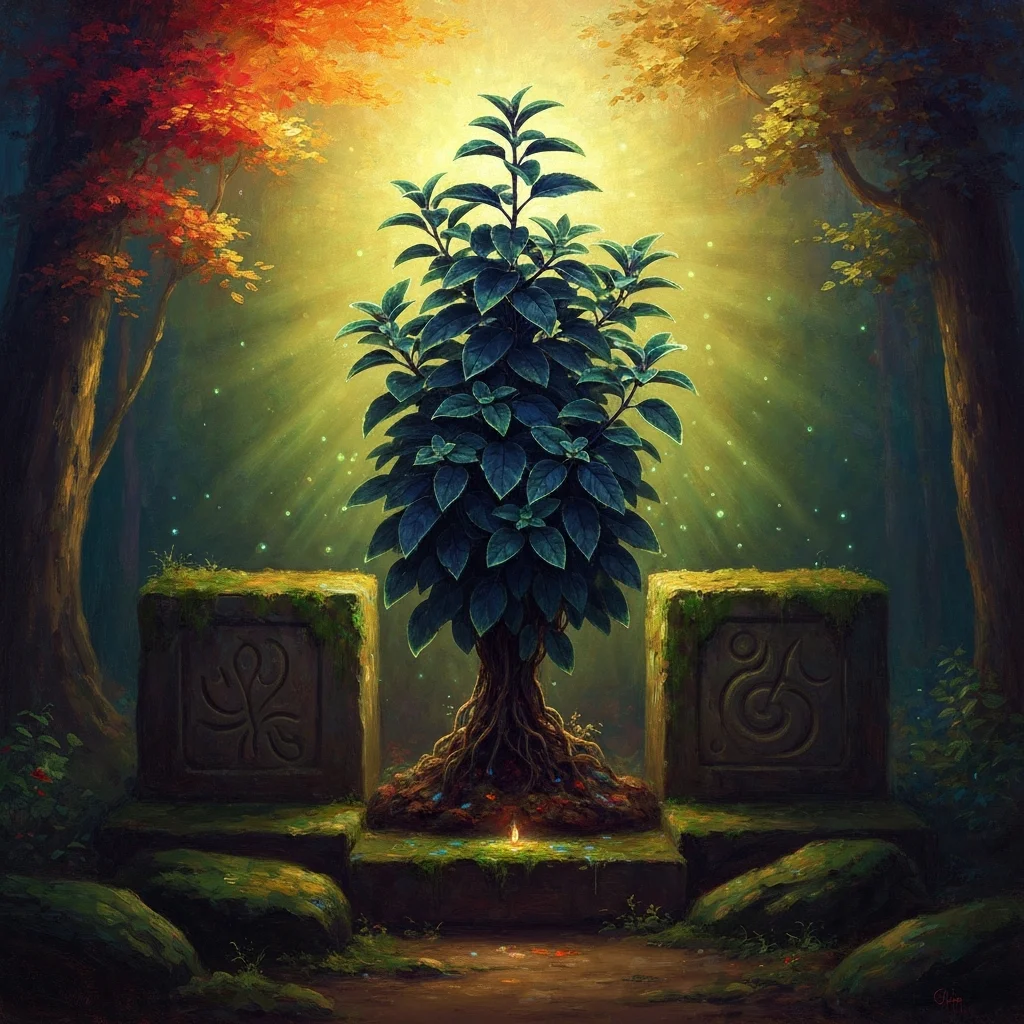
Tulsi Upaniṣhad
This Upanishad extols the divine qualities and profound spiritual significance of the Tulasi plant (Ocimum sanctum), identifying her as a form of Amrita and a beloved consort of Vishnu. It elaborates on the manifold benefits—ranging from sin destruction and purification to bestowing knowledge and liberation into Vaikuntha—derived from her sight, touch, worship, and consumption, while also prescribing ethical conduct regarding her care.
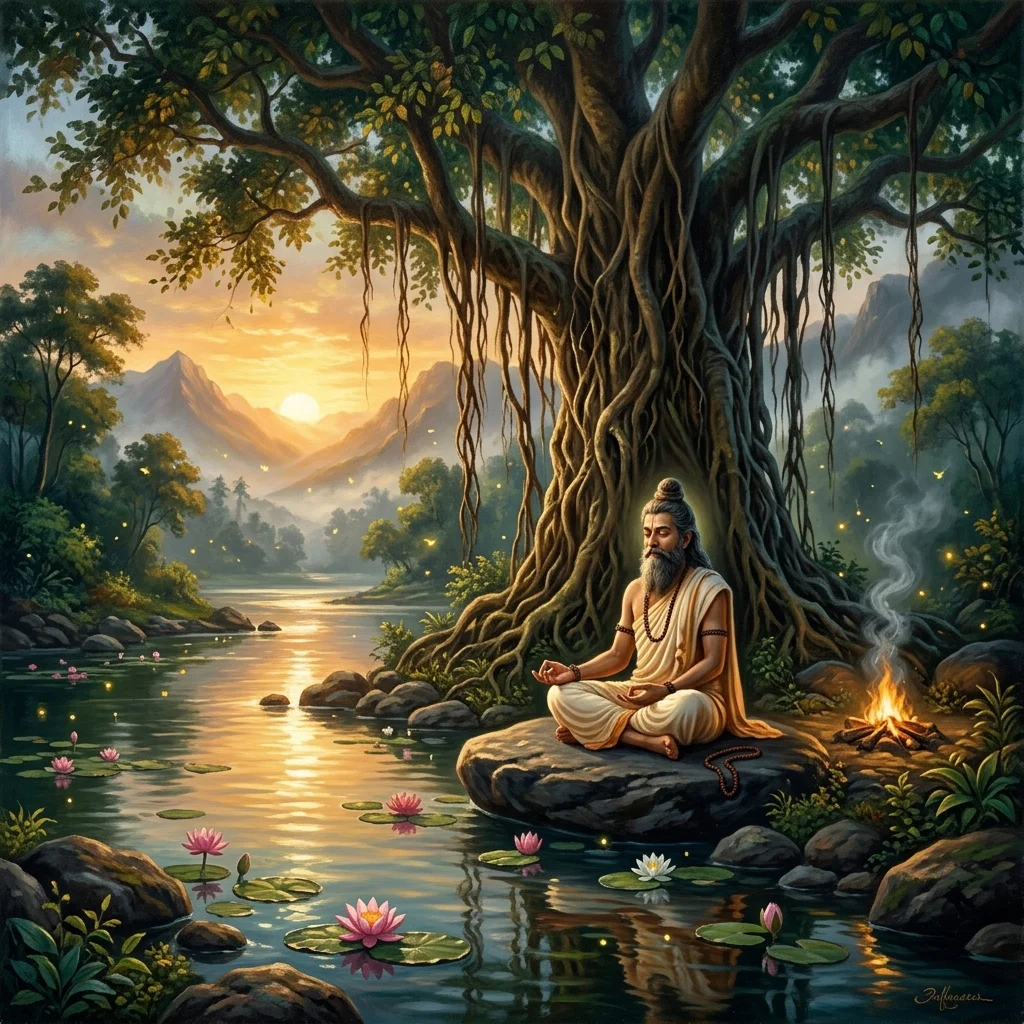
Nrsimha Shat-Chakra Upanishad
Oṃ. Indeed, the gods went to the world of truth and asked Prajāpati, 'Please tell us about the Nṛsiṃha Chakra (wheel).' Prajāpati then spoke to them about the Nṛsiṃha Chakra. There are indeed six Nṛsiṃha Chakras. The first is four-spoked, the second is four-spoked, the third is eight-spoked, the fourth is five-spoked, the fifth is five-spoked, and the sixth is eight-spoked. Thus, there are indeed these six Nṛsiṃha Chakras.
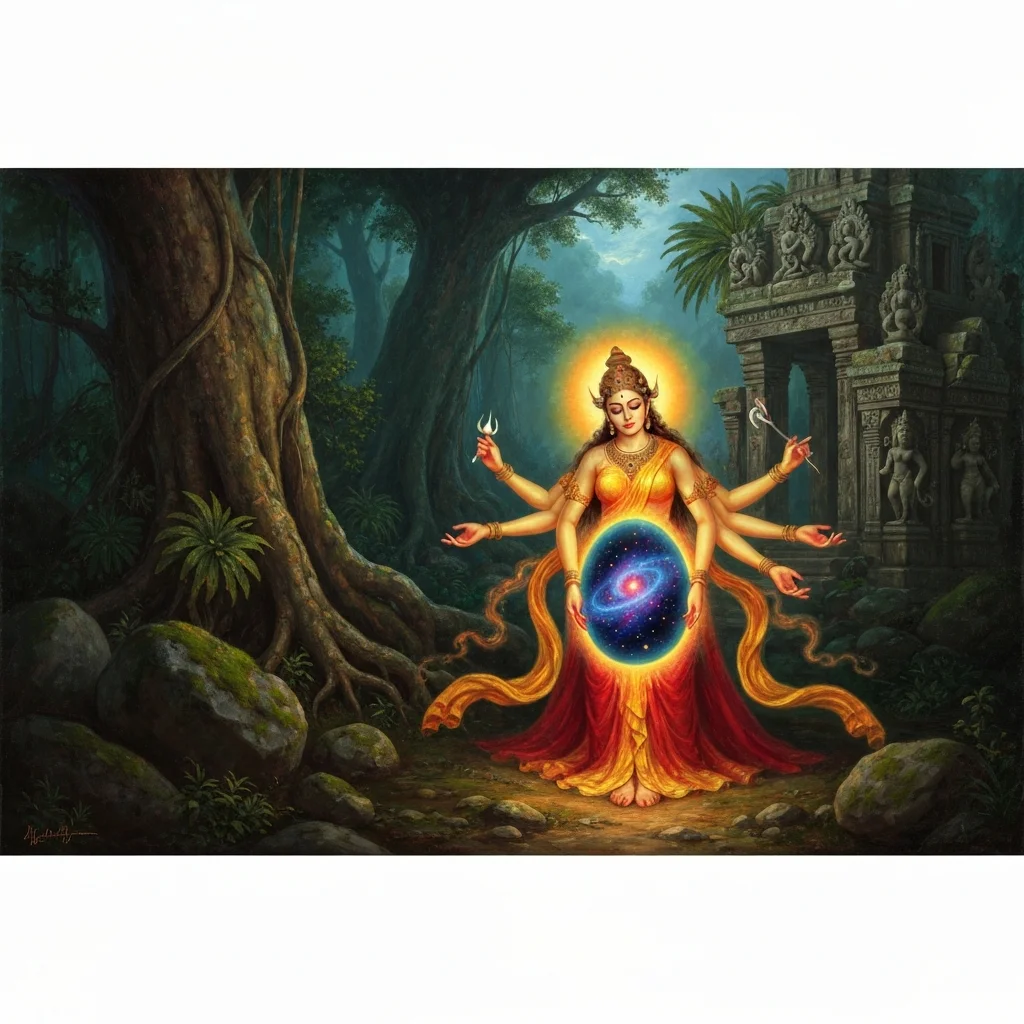
Bahvṛca Upaniṣad
The Goddess was indeed the sole Fire (or primal energy). She alone created the cosmic egg (universe). She is known as Kāmakalā. She is known as Śṛṅgārakalā.
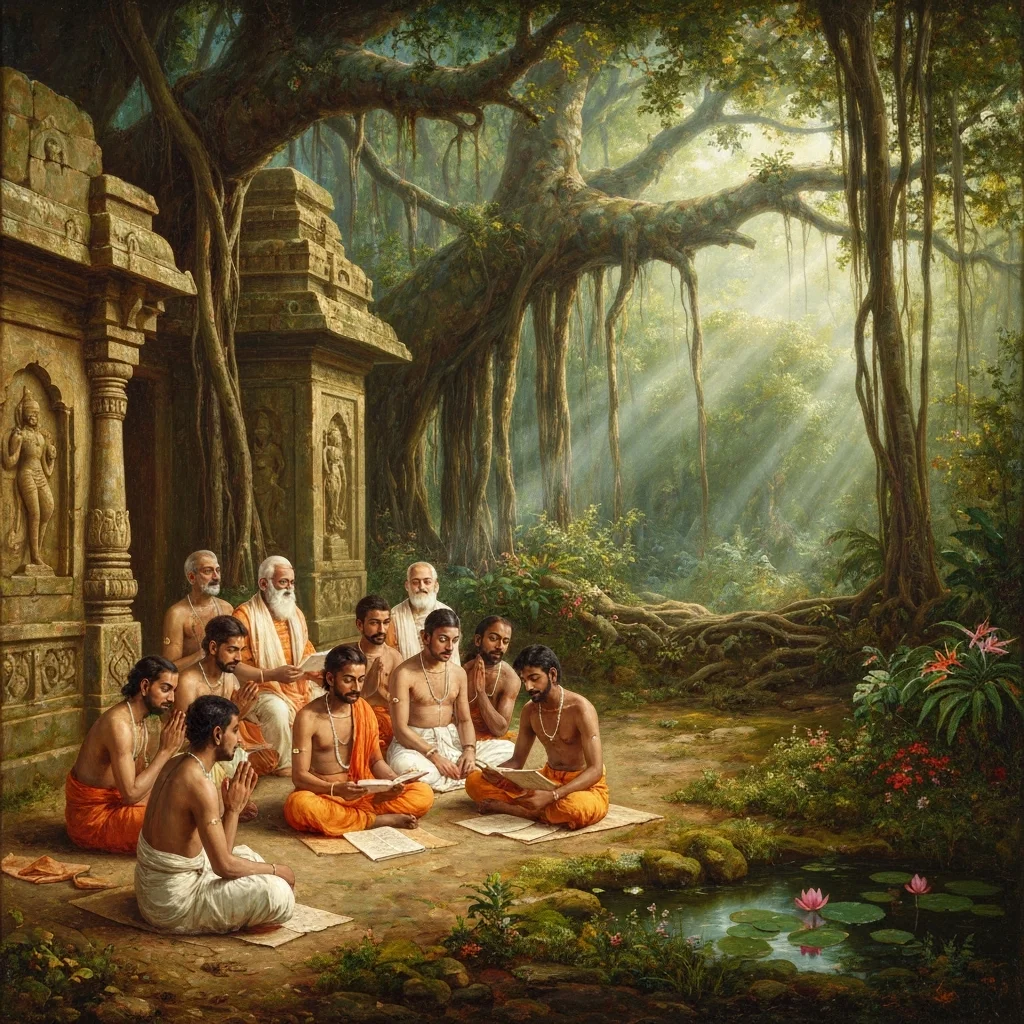
Garuda Upanishad
I will proclaim the Garuḍa-Brahma-vidyā, which knowledge Nārada spoke to Bṛhatsena, Bṛhatsena to Indra, Indra to Bharadvāja, and Bharadvāja imparted to his disciples desirous of long life.
Pāśupata Upanishad
Then, indeed, Svayambhu Brahma, desiring to create beings, (thinking) 'Let me create creatures,' arises as Kāmeśvara (the lord of desires) and Vaiśravaṇa.
Atharvashira Upanishad
This Upanishad powerfully proclaims Rudra as the supreme, all-encompassing reality, the singular Brahman from whom all existence emanates and into whom it dissolves. It delineates Rudra's omnipotence and omnipresence, emphasizing that knowing Rudra is equivalent to knowing all gods, the Vedas, and the ultimate truth of Brahma.
Yogachudamani Upanishad
Out of a desire for the welfare of yogis, I shall explain the Yogachudamani, which is profound, grants the attainment of liberation, and has been resorted to by the foremost experts in Yoga.
Yogakundalini Upanishad
Indeed, the mind has two causes: latent impressions (vāsanā) and vital air (samīraṇa). When one of these two is destroyed, then both of them also perish.
Yogatattva Upanishad
I will explain the essence of Yoga, desiring the welfare of yogins. By hearing and studying this, one is freed from all sins.
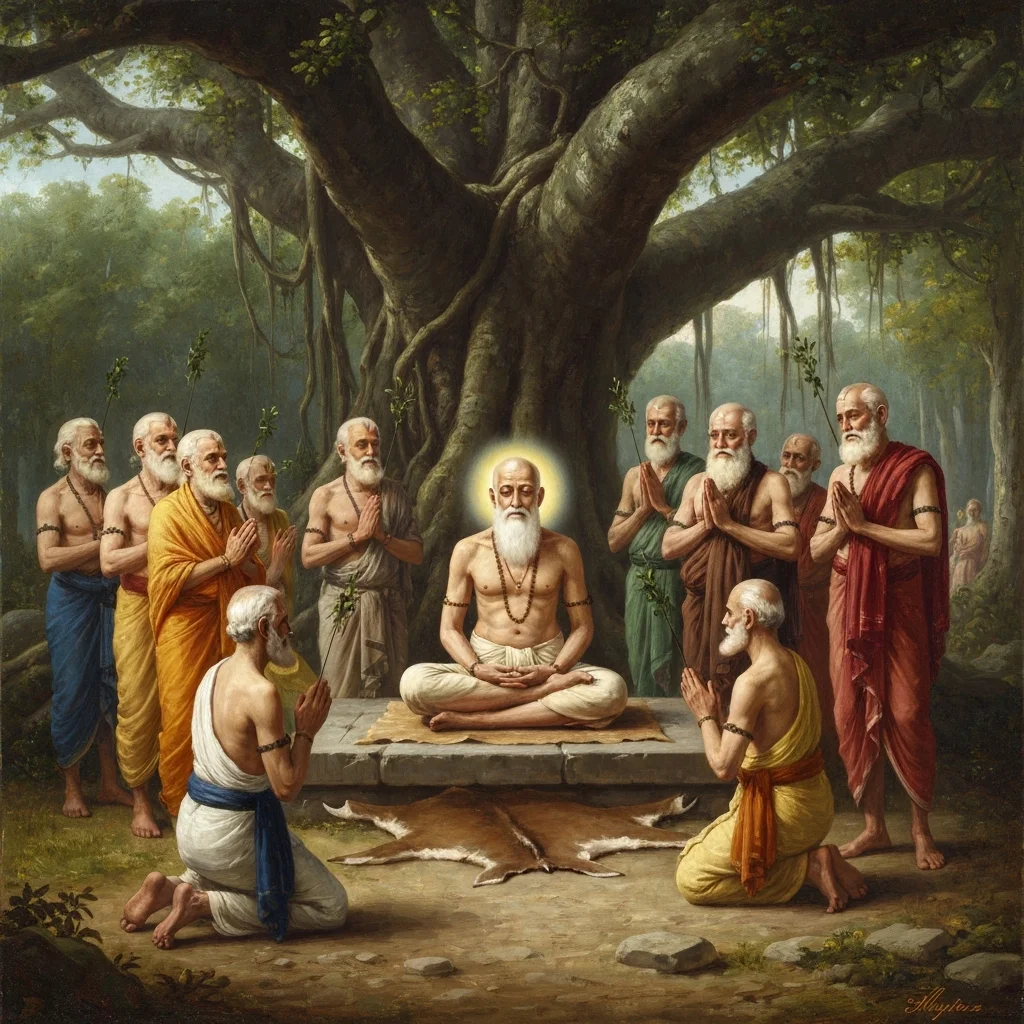
Dakshinamurti Upanishad
In Brahmavarta, at the foot of the great Bhandira fig tree, for a great sacrifice, the great sages, led by Shaunaka, assembled. They, indeed, holding sacrificial twigs in their hands and desirous of knowing the truth, approached the long-lived Markandeya and asked, "By what means do you live long, and by what means do you experience bliss?"
Jabala Upanishad
Brihaspati said to Yajnavalkya: "That which is Kurukshetra is the place of sacrifice for the gods and the abode of Brahman for all beings. Avimukta is indeed Kurukshetra, the place of sacrifice for the gods and the abode of Brahman for all beings. Therefore, wherever one goes, one should consider that very place as Avimukta. This indeed is Kurukshetra, the place of sacrifice for the gods and the abode of Brahman for all beings. For here, when the life-breaths of a living being depart, Rudra expounds the liberating Brahman (Om), by which one, becoming immortal, becomes liberated. Therefore, one should resort to Avimukta alone. One should not abandon Avimukta. Thus it is, O Yajnavalkya."
Paramahamsa Upanishad
Then Nārada approached the Lord and asked, "What is this path for Paramahaṃsa Yogis? What is their state?" The Lord replied to him, "This path of the Paramahaṃsa is exceedingly rare in the world, not abundant. If there is even one such person, he alone is truly a Paramahaṃsa. He who is eternally pure is considered the Veda-puruṣa by the wise. The mind of such a great soul always abides in Me, and therefore I also abide in him. Such a Paramahaṃsa should renounce his own children, friends, wife, relatives, and so forth; his top-knot, sacred thread, self-study, and all ritualistic actions. Forsaking this entire universe, he should accept only a loincloth, a staff, and a covering for his bodily sustenance and for the benefit of the world. And this is the essence. If it is asked, 'What is this essence?', then this is that essence."
Bhikshu Upanishad
bhikṣukopaniṣad
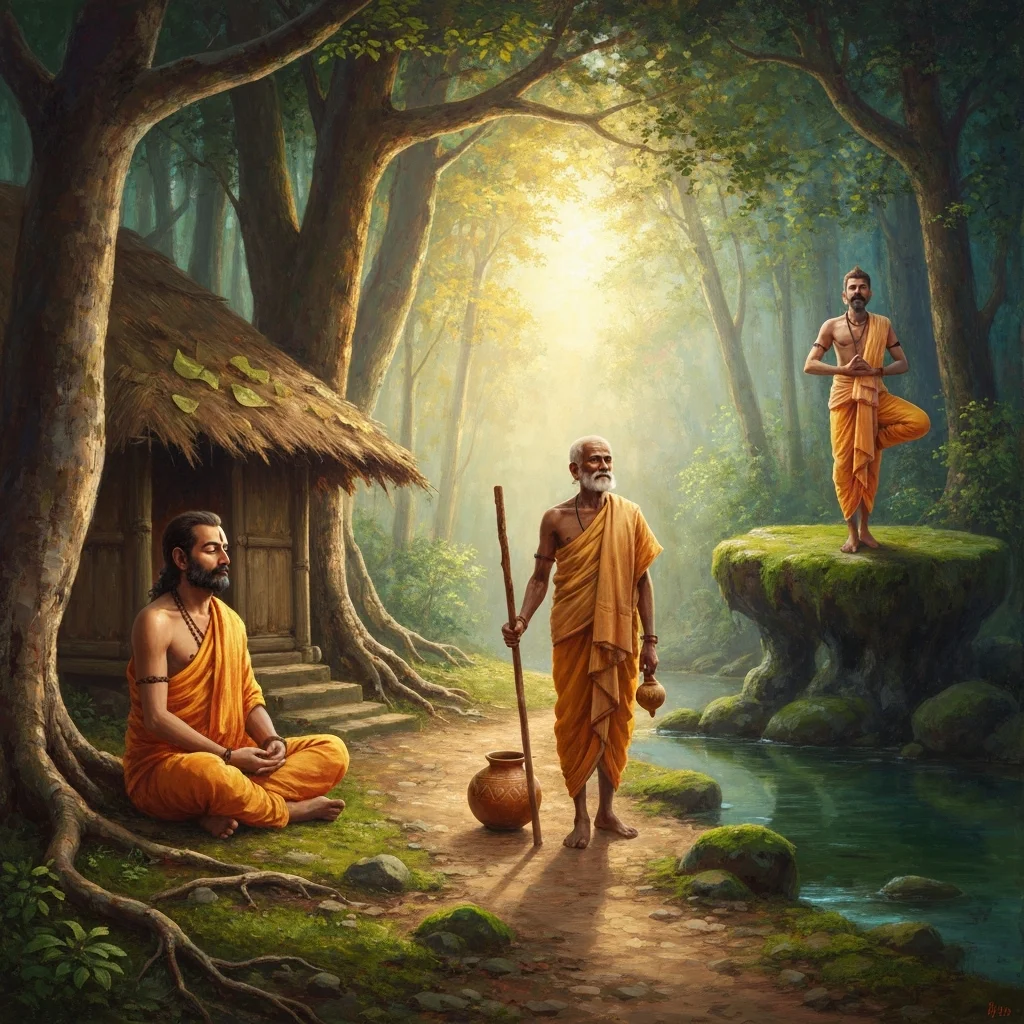
Om. Now, among the mendicants who desire liberation, there are four types: Kuṭīcaka, Bahūdaka, Haṃsa, and Paramahaṃsa.
Krishna Upanishad
kṛṣṇopaniṣad
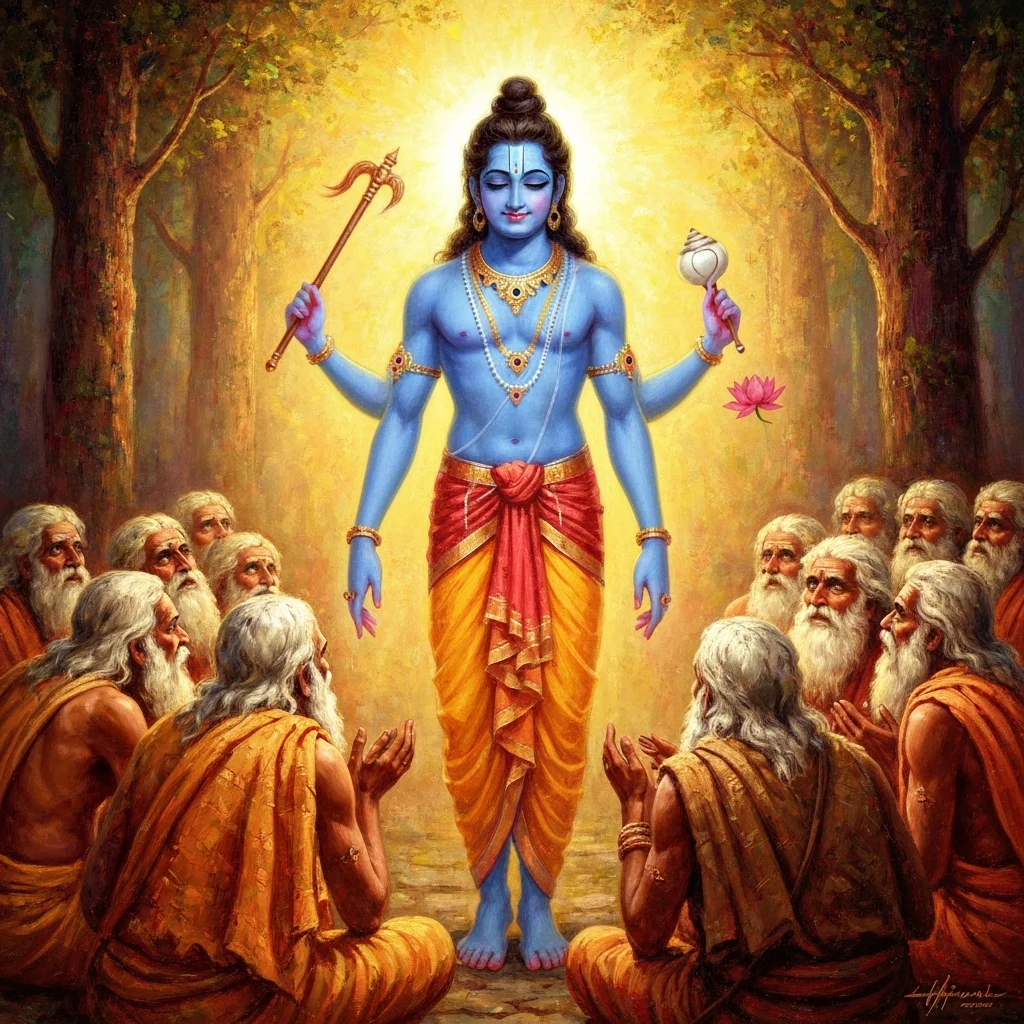
Having seen Lord Ramachandra, Lord Mahavishnu, whose characteristic is existence-consciousness-bliss and who was beautiful in all his limbs, the forest-dwelling sages became astonished. They said to him, "The incarnations counted for us are insufficient; we wish to embrace you." Lord Vishnu replied, "In another birth, in the Krishna incarnation, you all, becoming Gopis, will embrace me." The sages then requested, "As for other incarnations, they are indeed (for) male cowherds, and do not make us women (for those)! May a mutual form be assumed here, from the touch of your body. You will constantly touch us; we accept (these) incarnations."
Brahmavidya Upanishad
brahmavidyopaniṣad
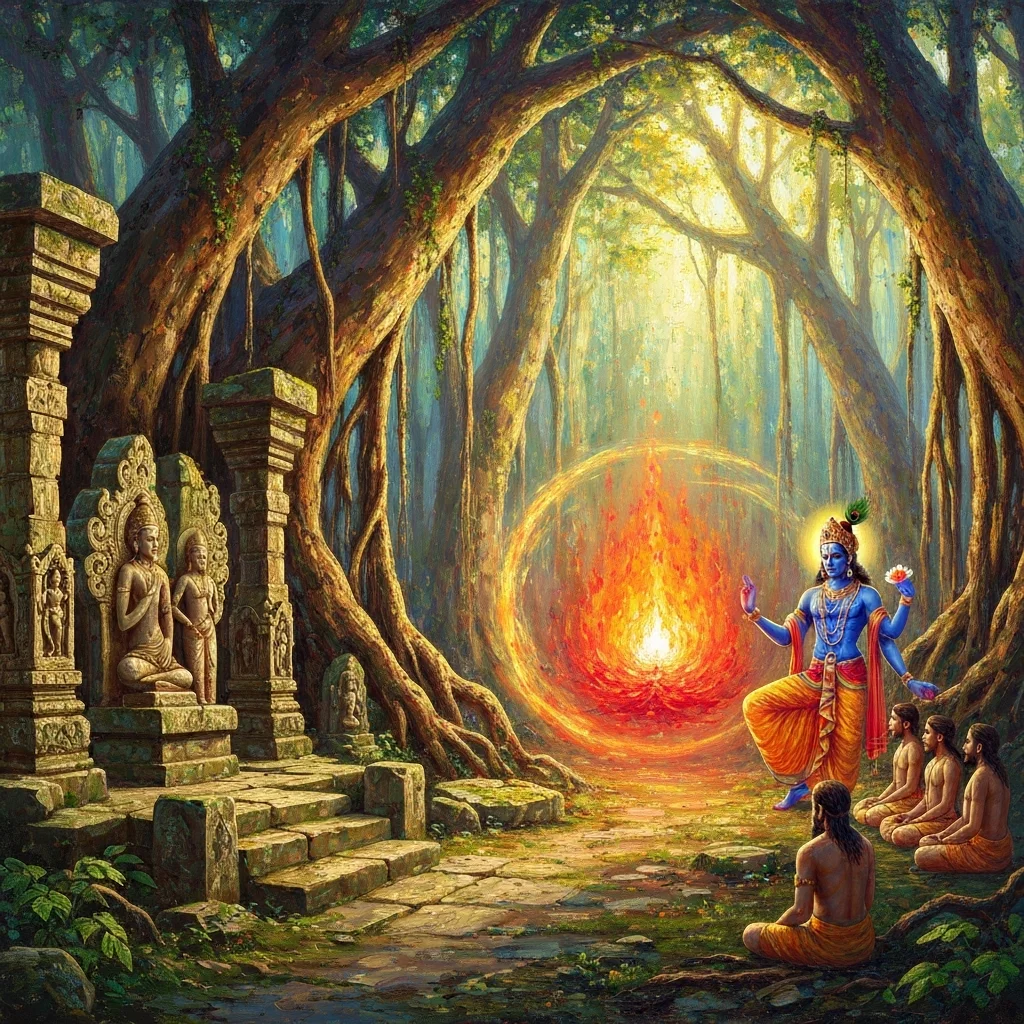
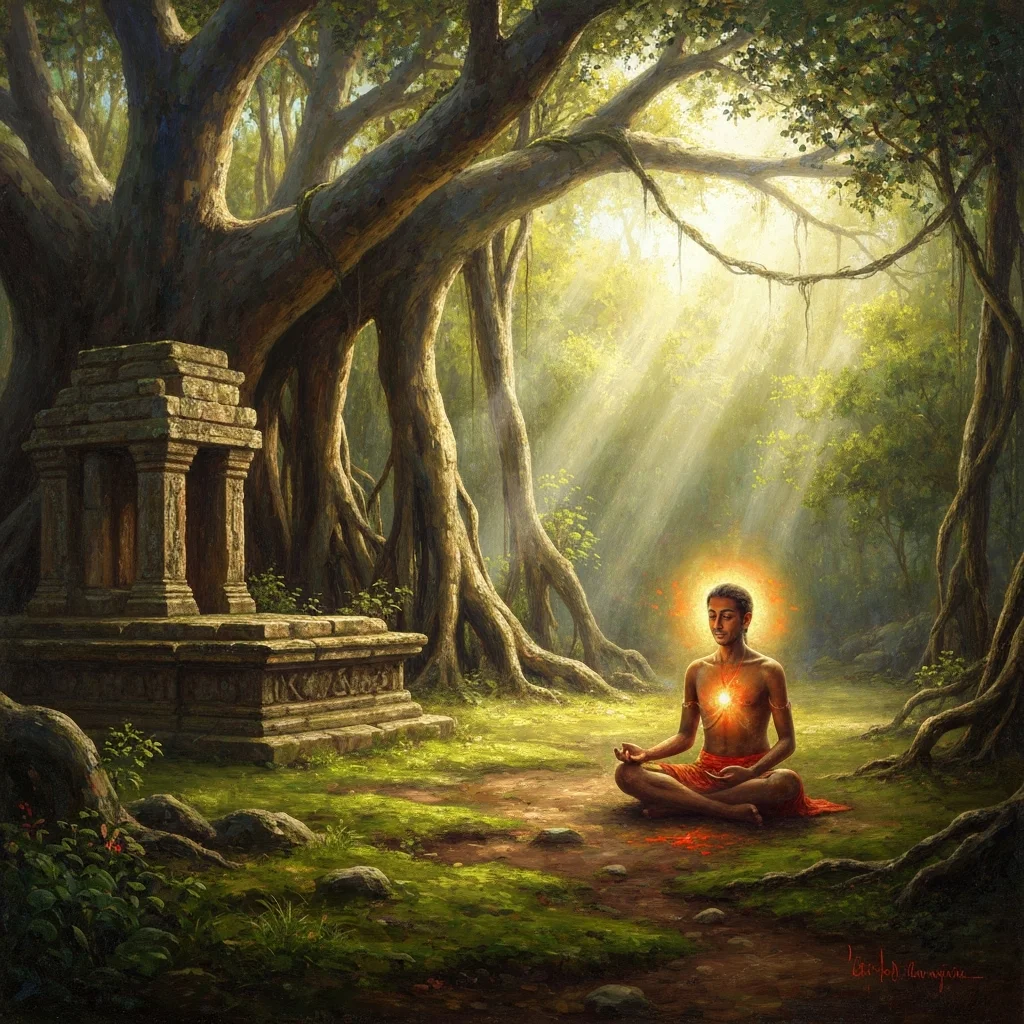
Now the Brahmavidya Upanishad is expounded. By the grace of that Brahman, Vishnu, the performer of wondrous deeds, they declare the secret of Brahmavidya to be Dhruvāgni (the constant fire).
Pranagnihotra Upanishad
prāṇāgnihotropaniṣad
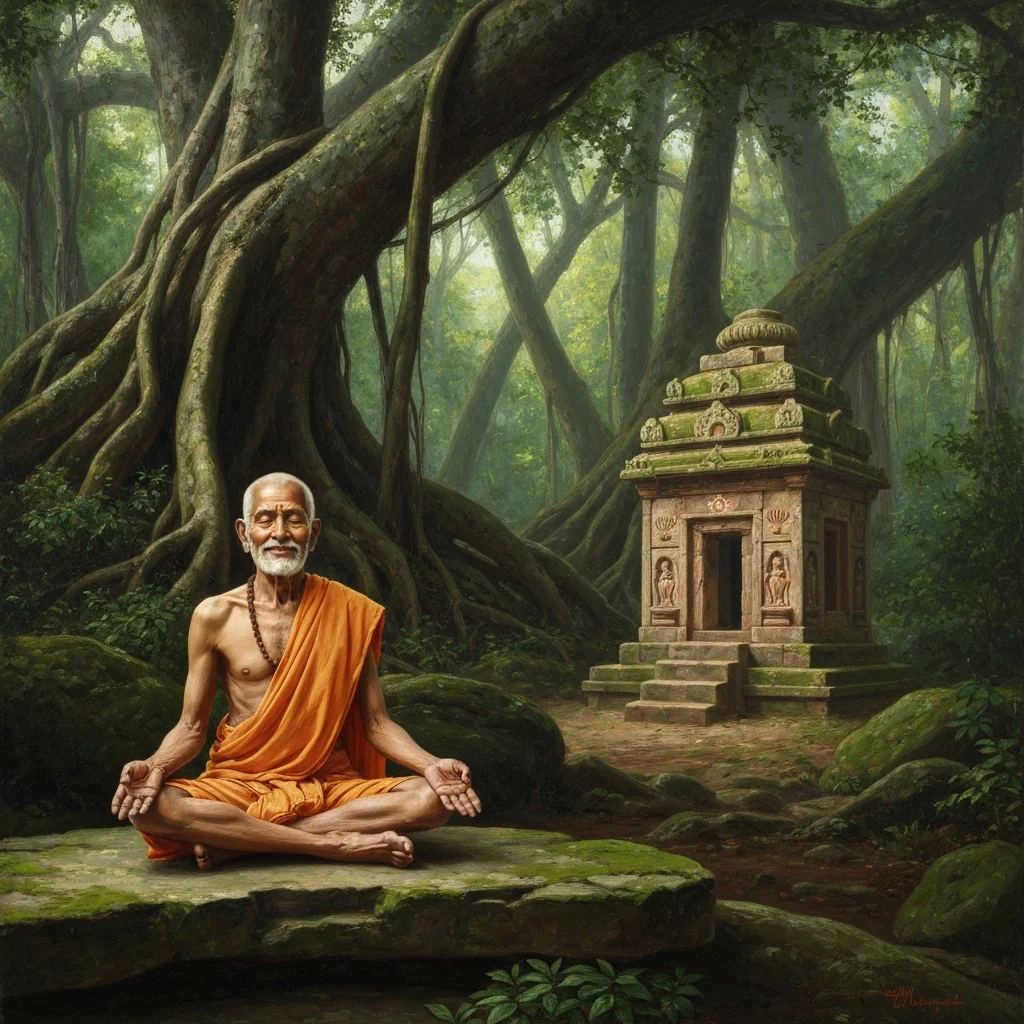
Now, therefore, we shall explain the bodily sacrifice (śārīra-yajña), which is the essence of all Upaniṣads and the Annasūkta (hymn of food) that transcends worldly knowledge. Through this very sacrifice, a person, while in the body, attains liberation from transmigration even without the Agnihotra (fire sacrifice) and even without Sāṃkhya and Yoga.
Kaushītaki brāhmaṇopaniṣad
kauṣītaki_brāhmaṇopaniṣad
Also known as: Kaushitaki Brahmana Upanishad
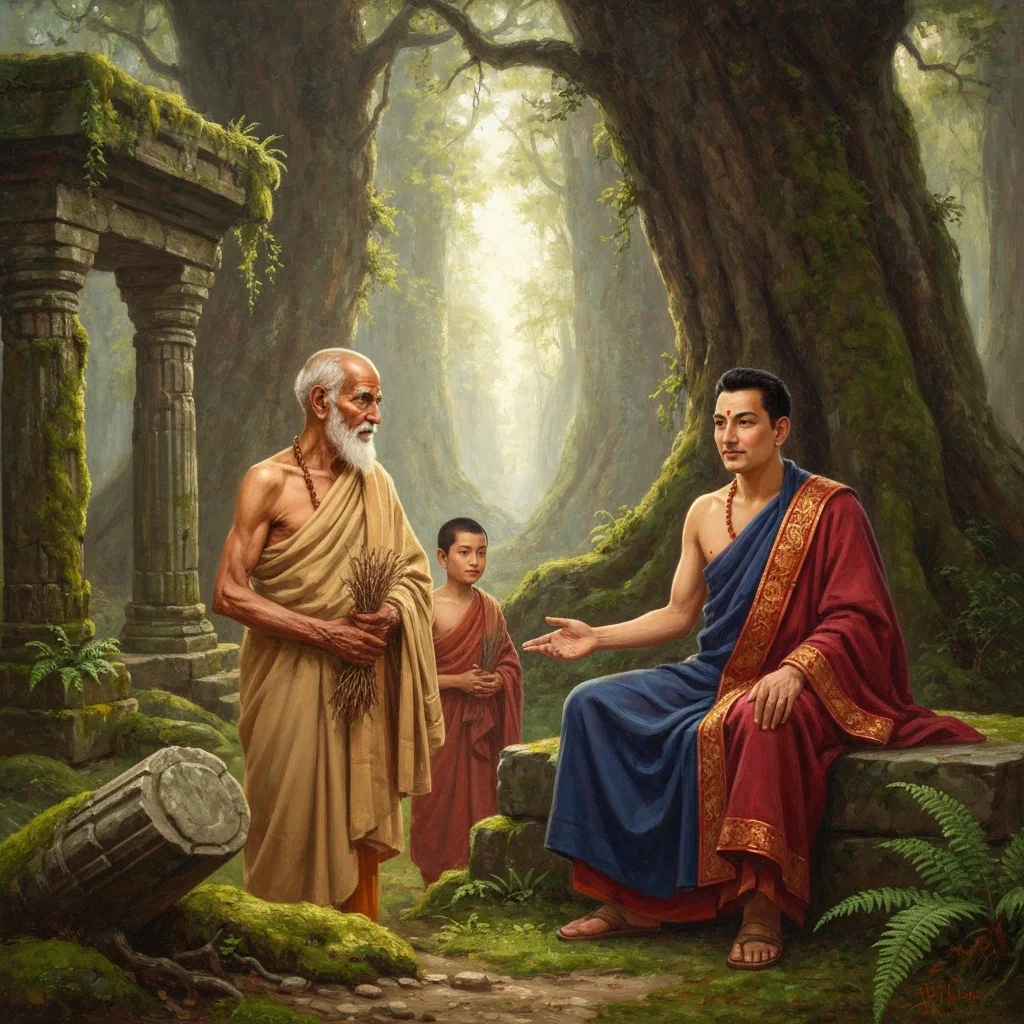
Citra Gārgyāyaṇi, about to perform a sacrifice, sought Āruṇi. He sent his son Śvetaketu with the message, 'Officiate (at my sacrifice).' To him, seated there, (Citra) asked, 'Gautama's son, will you place me in the world that is reserved for you, or in another, or, having learned it, will you place me in that world?' He (Śvetaketu) replied, 'I do not know this. Well then, I shall ask my teacher.' He, having approached his father (Āruṇi), asked, 'This is what he asked me; how shall I answer?' He (Āruṇi) replied, 'I too do not know this. In the assembly, we merely learn the Vedas and appropriate what others give us. Come, let us both go.' He, with fuel in hand, approached Citra Gārgyāyaṇi, saying, 'Let me come as a student.' To him (Āruṇi), (Citra) said, 'You are worthy of Brahman, Gautama, who has come to me (as a student). Come, I will make you know (this).'